Engineering High-Performance Industrial Gas Services
Whether powering massive industrial boilers, fueling manufacturing kilns, or supplying commercial kitchens, reliable gas services are a fundamental utility for modern business. However, designing and engineering high-pressure natural gas and LPG distribution networks carries immense risk. A flawlessly engineered gas service ensures uninterrupted fuel supply, optimizes combustion efficiency, and—most importantly—guarantees absolute safety against explosive hazards and catastrophic leaks.
What are Industrial Gas Services?
Gas services encompass the engineering, design, installation, and commissioning of fuel gas distribution networks within commercial and industrial facilities. This includes sizing high-pressure natural gas pipelines, designing pressure regulating stations, installing emergency shut-off systems, and integrating large-scale LPG bulk storage solutions in compliance with stringent safety codes.
Key Components of Commercial Gas Services
Designing an industrial gas network requires much more than simply running a pipe from the utility meter to a boiler. Professional engineers must account for pressure drops, flow velocities, and redundant safety mechanisms. Key elements include:
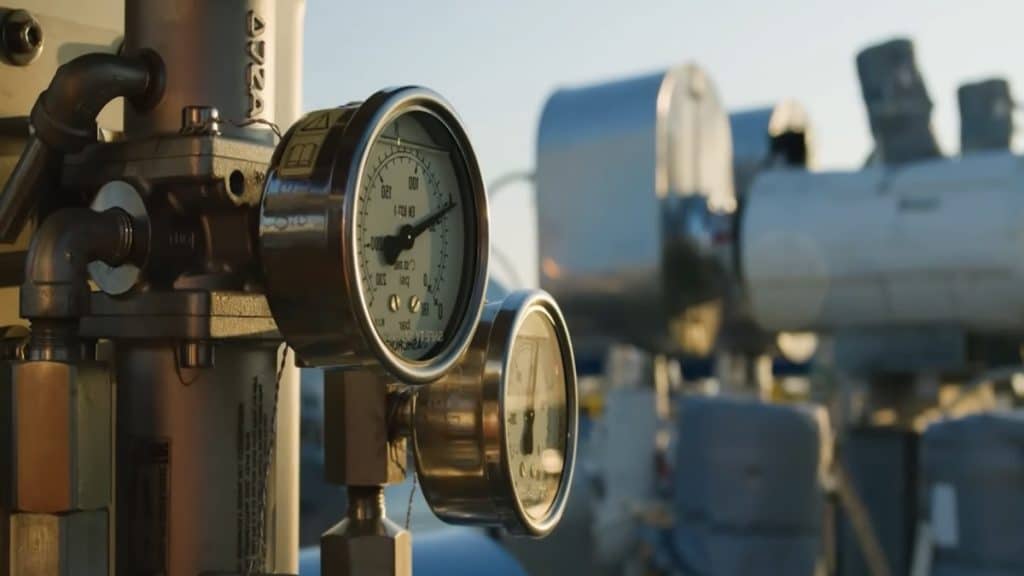
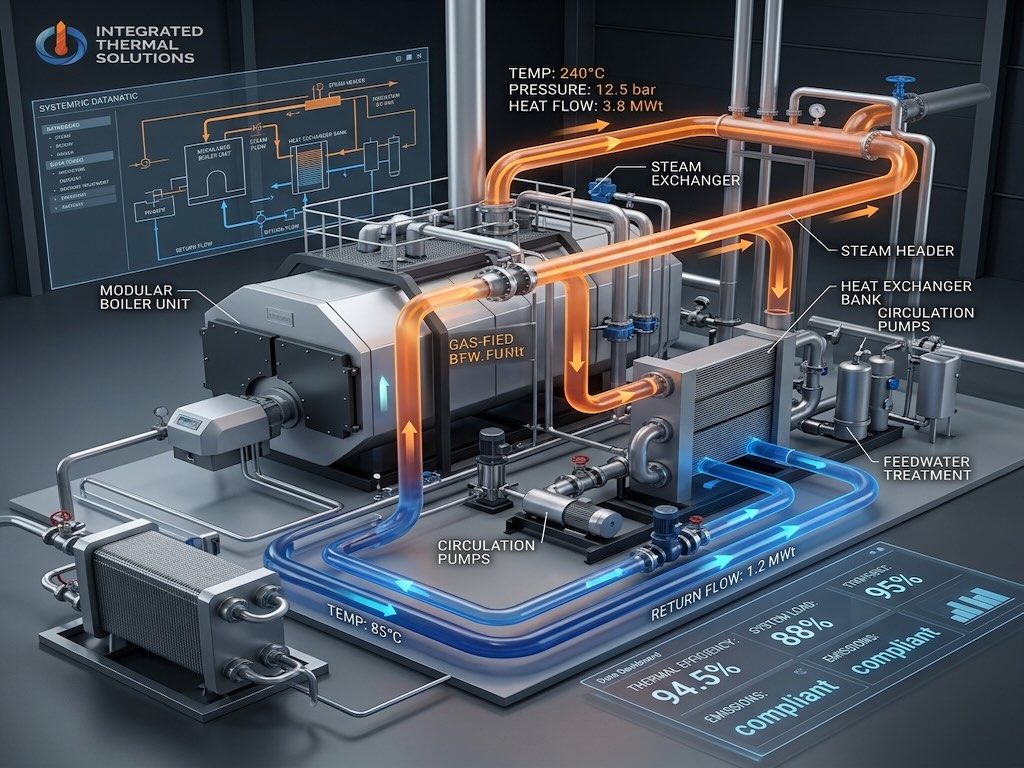
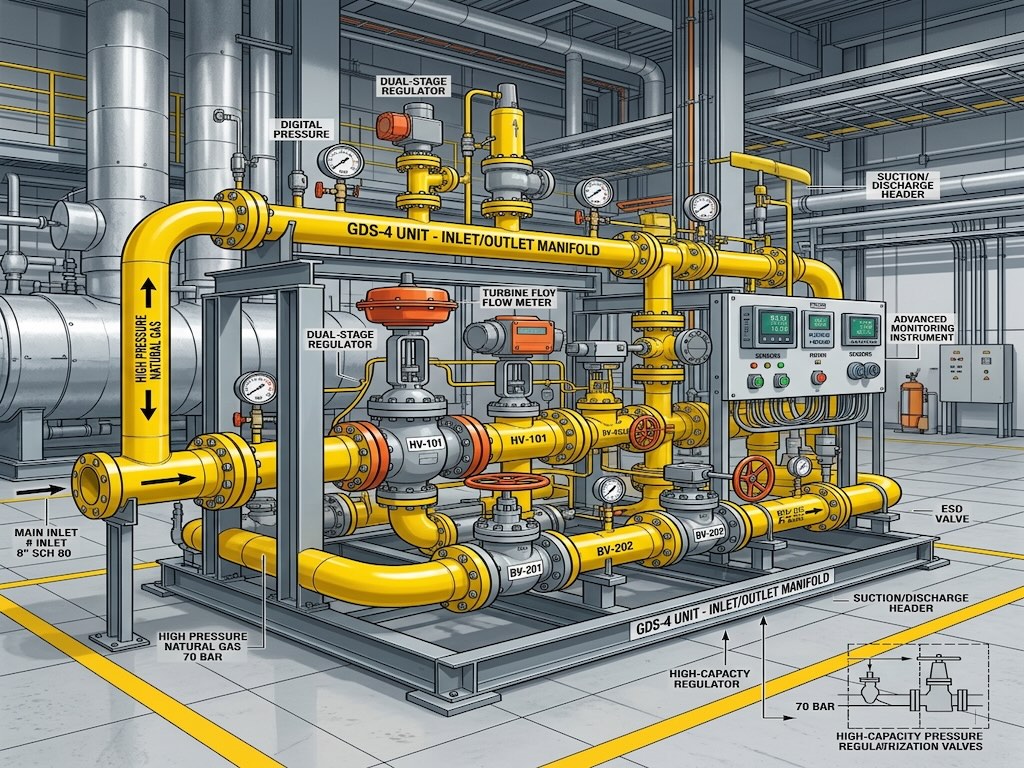
- Pressure Regulating Stations: Utility gas often enters a facility at very high pressure (e.g., 70 bar). Regulating stations step this down safely to the lower pressures required by the burner equipment (e.g., 2 bar).
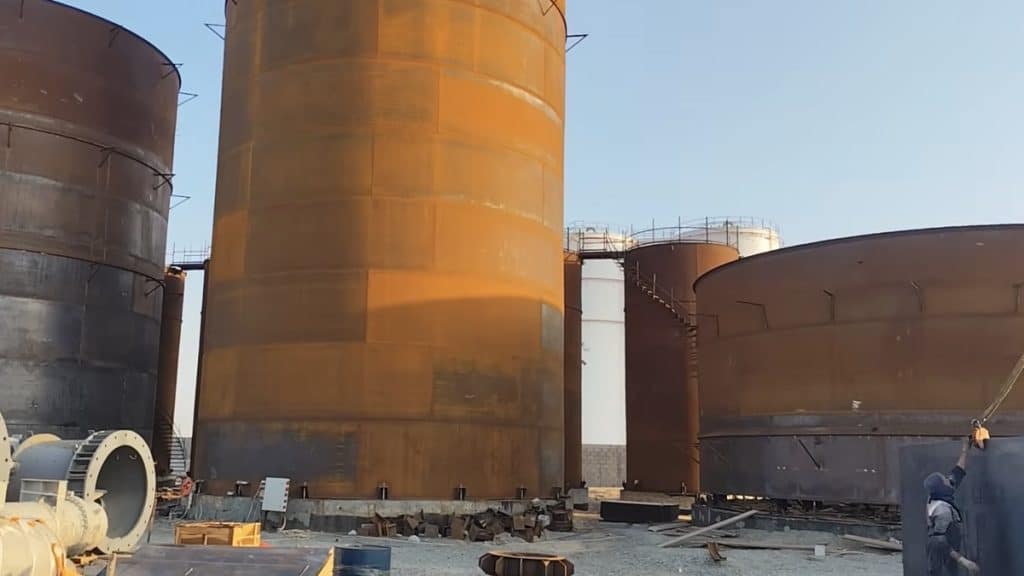
- Bulk Storage Solutions: For facilities without natural gas grid access, engineers design LPG tanks and bullets for on-site fuel storage.
- Gas Detection and Alarms: Continuous atmospheric monitoring systems that instantly detect combustible gas leaks.
- Emergency Shut-Off (ESO) Valves: Automated valves linked to the fire alarm panel that instantly isolate the gas supply in the event of an emergency. This is often integrated closely with fire water sprinkler systems logic.
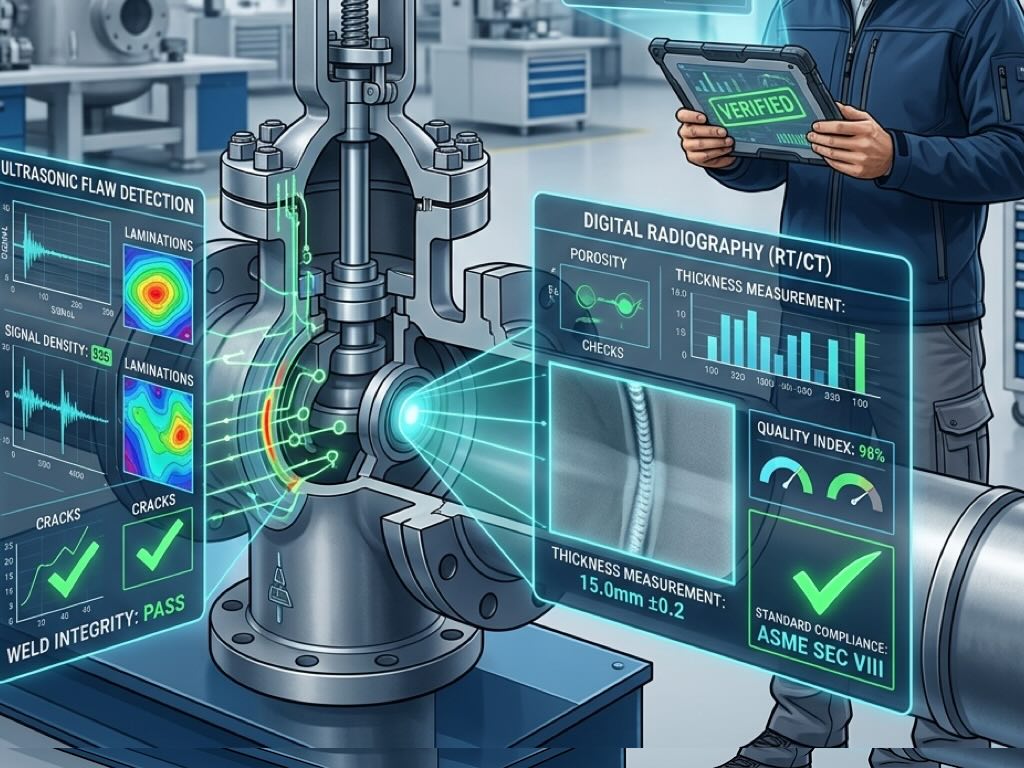
- Welded Steel Piping: Unlike residential copper or plastic, heavy commercial gas services rely on fully welded Carbon Steel (Schedule 40 or 80) pipes with 100% X-ray inspection on critical joints.
Natural Gas vs. LPG (Liquefied Petroleum Gas)
When designing gas services for a new facility, engineers must often choose between Natural Gas (Methane) and LPG (Propane/Butane). Understanding their distinct properties is critical for safety and burner design.
| Property | Natural Gas (Methane) | LPG (Propane) |
|---|---|---|
| Density Relative to Air | Lighter than air (rises and dissipates). | Heavier than air (pools in basements/trenches). |
| Energy Content (Calorific Value) | Lower (~1,000 BTU per cubic foot). | Higher (~2,500 BTU per cubic foot). |
| Storage Method | Delivered continuously via utility pipelines. | Stored on-site in pressurized liquid tanks. |
| Safety Considerations | Requires high-point ventilation. | Requires strict low-point ventilation and leak detection. |
Frequently Asked Questions
Why must LPG leak detection sensors be placed near the floor?
LPG is heavier than air. If a leak occurs, the gas will sink and pool in low-lying areas, trenches, or basements, creating a massive explosion hazard. Natural gas sensors, conversely, are placed near the ceiling because methane rises.
How do you size a commercial gas pipe?
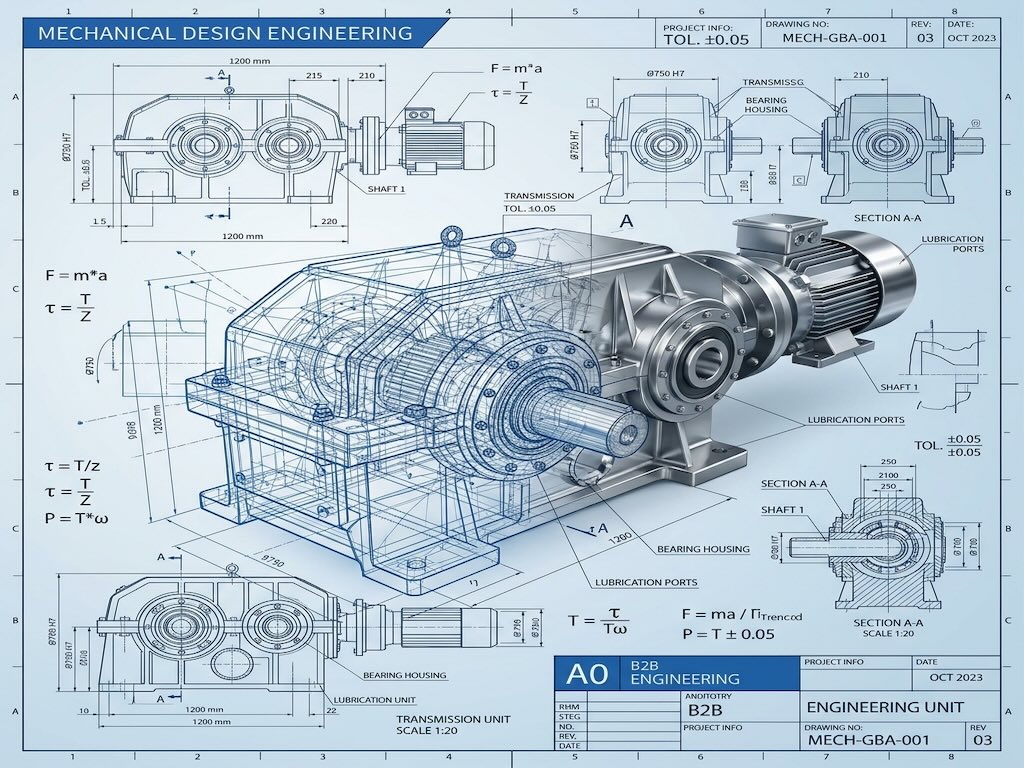
Gas pipes are sized based on the maximum required flow rate (in cubic meters per hour) and the allowable pressure drop. Engineers use complex hydraulic calculations or established nomograms (like the Pole formula) to ensure the burners receive adequate pressure at peak load.
What is a gas booster?
A gas booster is a specialized compressor used when the utility gas pressure is too low for the facility’s equipment. It physically increases the line pressure to satisfy the requirements of large industrial burners or combined heat and power (CHP) engines.
What is cathodic protection for buried gas pipes?
Cathodic protection is an electrochemical technique used to prevent buried steel gas pipes from rusting. It uses sacrificial anodes (like zinc) that corrode instead of the steel pipe, protecting the structural integrity of the gas line underground.
Secure Your Facility’s Energy Supply
Designing robust commercial gas services requires an uncompromising approach to safety codes and hydraulic engineering. From high-capacity regulating stations to comprehensive bulk LPG storage design, Heating Formula provides the engineering consultancy required to power your facility safely.