I used the pasted article only as topic inspiration, then built an original Heating Formula engineering version around liquid cooling, heat exchanger selection, CDUs, water quality, redundancy, pressure drop, and procurement checks. I also checked current external references from ASHRAE, DOE, NVIDIA, Supermicro, and Uptime Institute to keep the technical angle aligned with modern data center cooling trends. ([ashrae.org][1])
AI Data Center Cooling: What Engineers Must Check Before Selecting Heat Exchangers and Liquid Cooling Systems
AI data centers create much higher heat loads than traditional server rooms. Before selecting heat exchangers or liquid cooling systems, engineers must check rack density, coolant temperature, pressure drop, redundancy, water quality, heat rejection, maintenance access, and real operating conditions.
Artificial intelligence is changing the way data centers are designed. Older server rooms were mainly designed around air cooling, CRAC units, airflow management, and moderate rack power density. AI workloads are different. High-performance GPUs, dense server racks, accelerated computing platforms, and continuous training workloads create much higher thermal loads at both chip level and facility level.
For engineering teams, the cooling question is no longer only “how much air conditioning is required?” The better question is: how will heat be removed from chips, racks, liquid loops, heat exchangers, dry coolers, cooling towers, pumps, and facility systems without creating reliability, maintenance, or energy problems?
This article explains what industrial project teams, data center engineers, EPC contractors, HVAC engineers, mechanical engineers, procurement teams, and facility owners should check before selecting heat exchangers and liquid cooling systems for AI data centers.
Simple Definition: What Is AI Data Center Cooling?
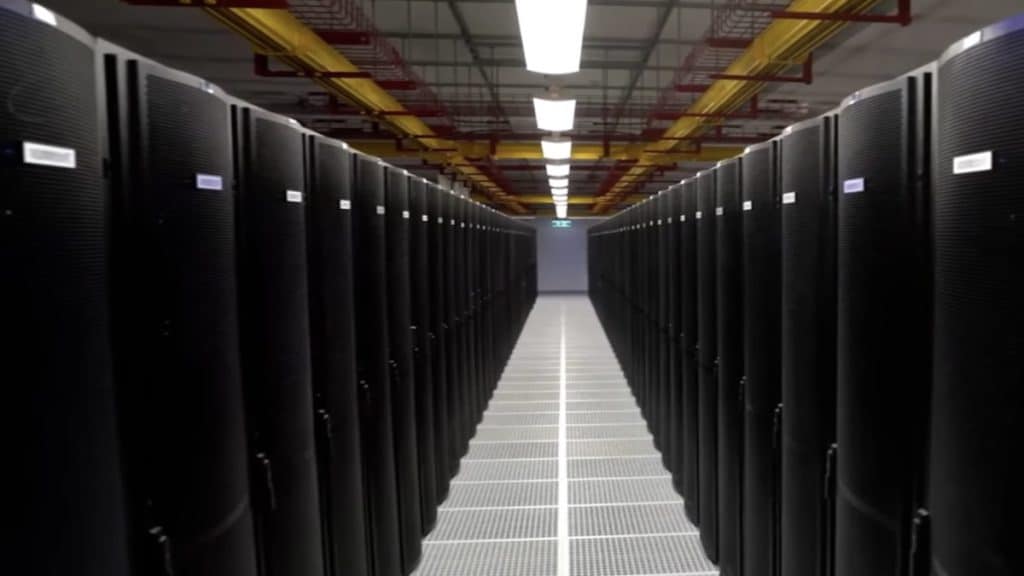
AI data center cooling is the engineering system used to remove heat from high-density computing equipment such as GPUs, CPUs, memory, power supplies, switches, and server racks. It may include air cooling, rear-door heat exchangers, direct-to-chip liquid cooling, cold plates, coolant distribution units, plate heat exchangers, pumps, manifolds, dry coolers, chillers, cooling towers, and facility water systems.
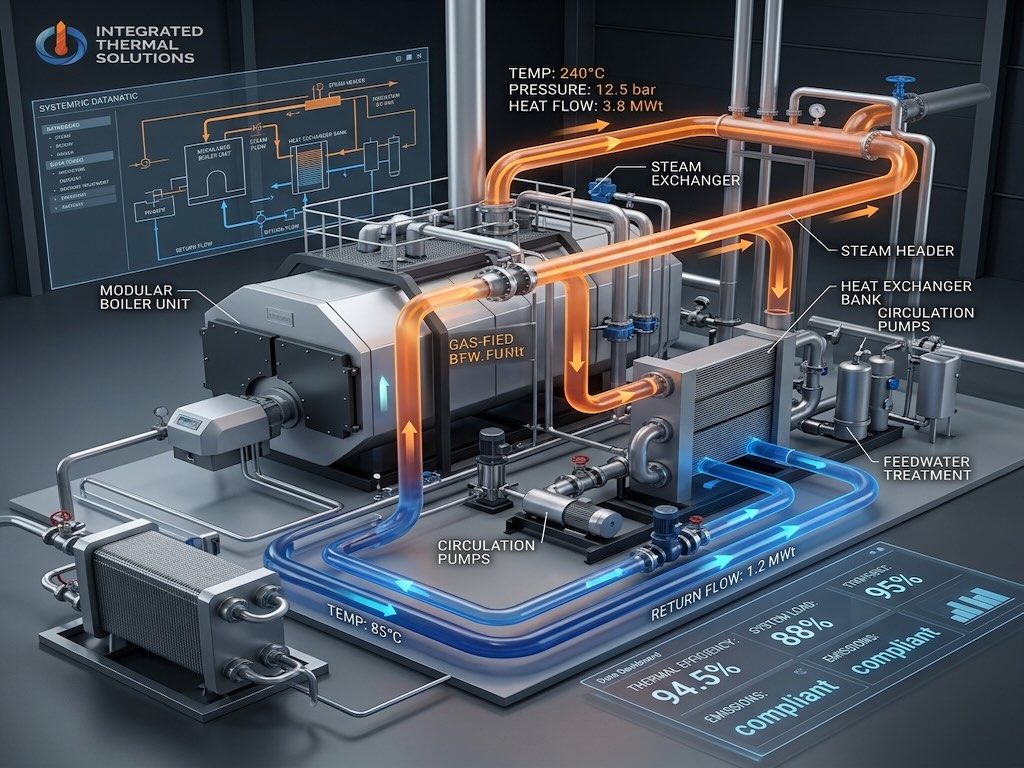
In modern AI facilities, the cooling system often has two connected sides. The first side is the technology cooling loop near the servers, where cold plates and CDUs remove heat from the racks. The second side is the facility cooling loop, where heat is transferred to chilled water, condenser water, dry coolers, cooling towers, or other heat rejection systems.
Quick Answer: What Should Engineers Check First?
Before selecting heat exchangers for AI data center cooling, engineers should check IT load, rack density, supply and return coolant temperatures, allowable pressure drop, redundancy level, coolant chemistry, water quality, heat rejection method, pump capacity, leak detection, maintenance access, and future expansion margin.
The cooling design should not be based only on total megawatts. It must also consider how heat is distributed across racks, how much heat is removed by direct liquid cooling, how much remains in the air path, what temperature approach is acceptable, and how the system behaves during partial load, peak load, maintenance, failure, and future capacity expansion.
For Heating Formula, this topic connects directly with gasketed plate heat exchanger selection, engineering design and consultancy, process design and simulation, piping design and stress analysis, and technical procurement support.
Why AI Data Centers Need Different Cooling Thinking
Traditional data center cooling was often designed around air movement: raised floors, hot aisles, cold aisles, CRAC units, chillers, and airflow balancing. This approach still matters, but AI workloads can push rack heat density beyond what air alone can manage efficiently.
High-density AI racks may require liquid cooling because liquid can carry heat away from chips and racks more effectively than air. In many designs, direct-to-chip cold plates remove a large part of the heat directly from GPUs and CPUs, while fans and rear-door heat exchangers manage remaining heat from memory, power supplies, network cards, and other components.
That means AI data center cooling is no longer only an HVAC problem. It becomes a combined thermal engineering, process design, piping, mechanical, controls, water treatment, procurement, and reliability problem.
Main Cooling Options for AI Data Centers
| Cooling Method | Typical Use | Main Engineering Checks |
|---|---|---|
| Air cooling | Lower-density racks, legacy server rooms, support equipment | Airflow, hot aisle containment, CRAC/CRAH capacity, fan power, room temperature stability |
| Rear-door heat exchanger | High-density racks where warm exhaust air needs local heat removal | Water temperature, coil capacity, air pressure drop, condensation risk, maintenance access |
| Direct-to-chip liquid cooling | AI GPUs, CPUs, high-performance computing servers | Cold plate design, coolant flow, pressure drop, leak protection, manifold design, CDU interface |
| Coolant distribution unit / CDU | Separates rack liquid loop from facility water loop | Pump redundancy, heat exchanger capacity, filtration, controls, alarms, flow balancing |
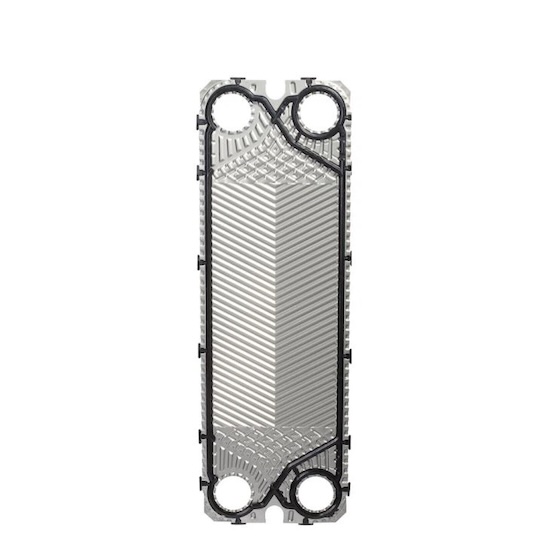
| Gasketed plate heat exchanger | Liquid-to-liquid heat transfer between technology loop and facility loop | Thermal duty, approach temperature, pressure drop, plate material, gasket compatibility, fouling |
| Dry cooler or cooling tower loop | Facility heat rejection | Ambient conditions, water use, freeze protection, glycol percentage, redundancy, energy use |
Where Heat Exchangers Fit in the Cooling Loop
Heat exchangers are central to AI data center cooling because they transfer heat between different loops while keeping fluids separated. For example, a CDU may use an internal heat exchanger to transfer heat from the server-side coolant loop to the facility water loop. At a larger level, gasketed plate heat exchangers can separate the data hall cooling loop from cooling towers, dry coolers, chillers, or process water systems.
This separation is important because the IT-side coolant loop may require strict water quality, low conductivity fluid, corrosion inhibitors, filtration, leak detection, and special compatibility with cold plates and manifolds. The facility side may have different water chemistry, glycol content, pressure, flow rate, fouling tendency, and maintenance requirements.
A correctly selected plate heat exchanger can reduce risk by isolating these loops while maintaining high thermal performance. However, the exchanger must be selected carefully. A small error in approach temperature, pressure drop, fouling allowance, or gasket material can affect energy consumption, pump sizing, cooling capacity, and uptime.
Best Cooling Focus by Project Type
| Project Type | Recommended Cooling Focus | What to Check Before Selection |
|---|---|---|
| New AI data center | Hybrid liquid cooling and facility heat rejection design | IT load forecast, rack density, redundancy, water temperature, expansion plan, heat exchanger sizing |
| Existing data center retrofit | Integration of CDUs and liquid cooling loops | Available cooling capacity, pipe routing, floor loading, electrical limits, maintenance windows |
| High-density GPU cluster | Direct-to-chip cooling with CDU heat exchange | Cold plate flow rate, rack manifold pressure drop, coolant chemistry, pump redundancy |
| Enterprise server room upgrade | Rear-door heat exchangers or partial liquid cooling | Rack-by-rack heat load, water availability, condensation risk, service access |
| Industrial edge AI system | Compact cooling package or small liquid loop | Ambient temperature, dust, vibration, enclosure design, maintenance simplicity |
| Sustainable cooling project | Warm-water cooling, dry coolers, heat recovery | Outdoor design temperature, water use, energy efficiency, heat reuse potential |
Key Engineering Checks Before Selecting Heat Exchangers
1. Thermal Duty and Real Operating Cases
The first question is the actual heat load. Engineers should not size the cooling system only for nominal IT power. They should check peak GPU load, redundancy scenarios, future racks, partial load, server refresh cycles, ambient temperature, facility water temperature, and cooling degradation over time.
For heat exchangers, this means defining the heat duty in kW or MW, inlet and outlet temperatures, coolant type, allowable approach temperature, flow rates, and fouling factors. A design that works only in clean, ideal conditions may fail during summer peak load or future rack expansion.
2. Temperature Approach
Temperature approach is one of the most important design choices in liquid cooling. A smaller approach temperature may improve cooling performance, but it usually requires more heat transfer area and may increase equipment cost. A larger approach may reduce cost but can limit cooling performance or require colder facility water.
In data center projects, this decision affects chillers, dry coolers, pumps, CDUs, rack supply temperature, and energy efficiency. The heat exchanger should be selected as part of the complete cooling system, not as an isolated component.
3. Pressure Drop and Pumping Power
Pressure drop directly affects pump selection and operating cost. In a dense liquid cooling loop, pressure drop may come from cold plates, manifolds, hoses, quick disconnects, filters, valves, piping, heat exchangers, and CDUs. If the heat exchanger is selected with excessive pressure drop, the system may require larger pumps, more energy, and higher operating cost.
For AI data centers, engineers should define maximum allowable pressure drop on both the IT-side loop and the facility-side loop before procurement. This should be included in the heat exchanger datasheet and technical bid evaluation.
4. Coolant Type and Water Quality
Liquid cooling systems may use treated water, glycol-water mixtures, dielectric fluids, or other specialized coolants depending on the system architecture. The coolant affects heat transfer, viscosity, corrosion risk, pump power, gasket compatibility, freezing risk, and maintenance requirements.
Water quality is also critical. Poor water treatment can cause scaling, biological growth, corrosion, blocked filters, reduced heat transfer, and cold plate fouling. Engineers should define conductivity, pH, hardness, chloride limits, filtration, inhibitor chemistry, and sampling frequency with the cooling system supplier and facility team.
5. Redundancy and Failure Philosophy
AI workloads may be highly sensitive to thermal instability. Cooling design should define what happens if one pump fails, one CDU is offline, one heat exchanger is isolated, one cooling tower cell is under maintenance, or one rack experiences a leak alarm.
Common strategies include N+1 pump redundancy, dual heat exchangers, bypass lines, isolation valves, redundant sensors, alarmed flow switches, leak detection, standby CDUs, and controlled shutdown logic. These details must appear in the P&ID and procurement documents, not only in general project discussions.
Common Mistakes in AI Data Center Cooling Projects
The most common mistake in AI data center cooling is selecting equipment by total cooling capacity only, without checking rack density, coolant temperature, pressure drop, water quality, redundancy, maintenance access, and future IT load growth.
- Selecting heat exchangers without a defined temperature approach.
- Ignoring pressure drop across cold plates, manifolds, filters, valves, and heat exchangers.
- Using poor water quality assumptions on the facility loop.
- Leaving coolant chemistry and gasket compatibility undefined.
- Not separating IT-side coolant from facility water where separation is needed.
- Forgetting redundancy requirements in pumps, CDUs, heat exchangers, and controls.
- Ignoring maintenance access around racks, CDUs, strainers, valves, and plate heat exchangers.
- Purchasing equipment before the P&ID, line list, control philosophy, and vendor battery limits are clear.
What to Check Before Buying a Plate Heat Exchanger for Data Center Cooling
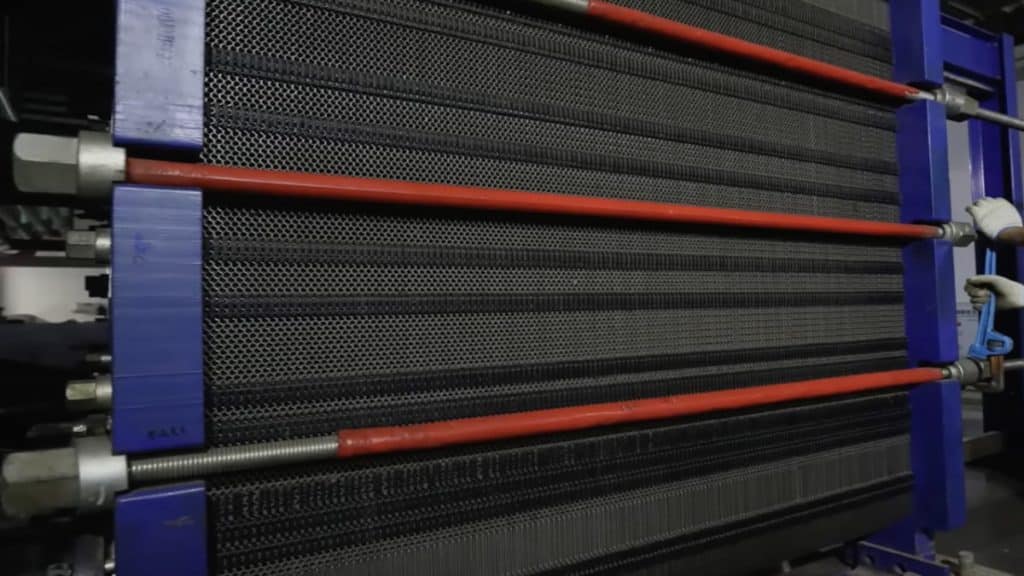
A gasketed plate heat exchanger can be an efficient choice for liquid-to-liquid cooling because it offers high heat transfer performance in a compact footprint. However, for AI data center cooling, the exchanger must be selected with careful attention to reliability and serviceability.
- Thermal duty: total kW or MW load, peak load, partial load, and future expansion.
- Temperatures: coolant supply and return temperatures on both sides.
- Approach temperature: required temperature difference between hot and cold streams.
- Pressure drop: maximum allowable pressure loss on the IT loop and facility loop.
- Coolant chemistry: water, glycol-water, inhibitors, filtration, conductivity, pH, and chloride content.
- Plate material: stainless steel, titanium, or other materials depending on water quality and corrosion risk.
- Gasket material: EPDM, NBR, FKM, or other options based on coolant, temperature, and compatibility.
- Maintenance: access space, isolation valves, drain and vent points, cleaning method, and spare gasket strategy.
- Controls: temperature sensors, flow meters, pressure indicators, alarms, and bypass control.
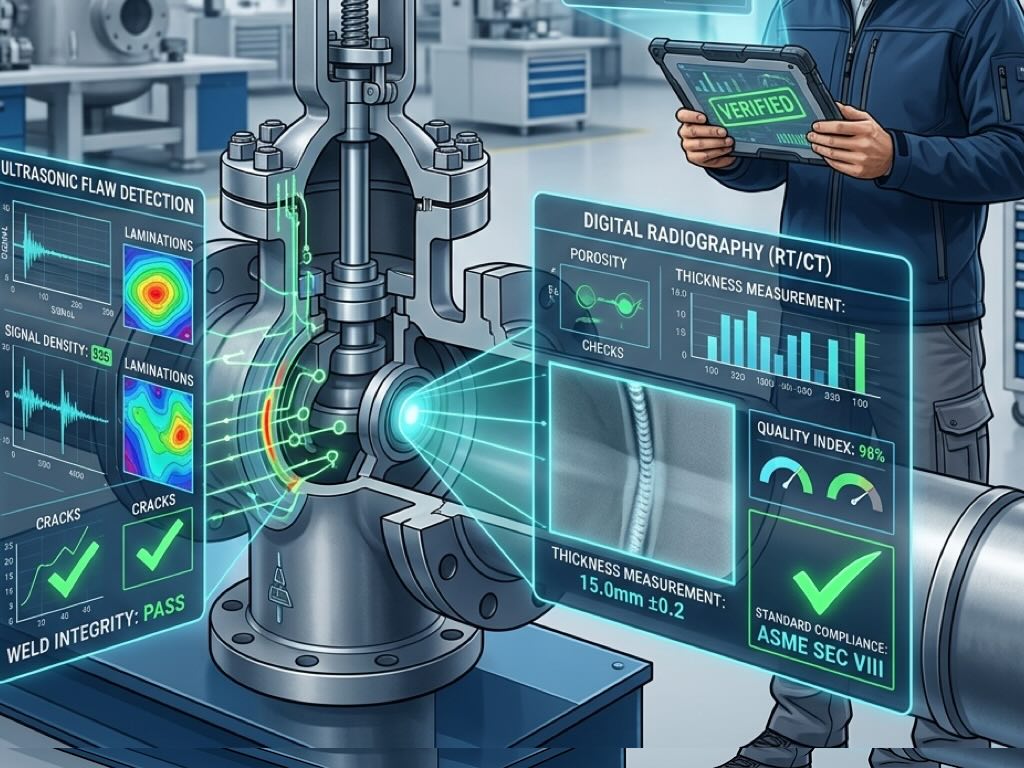
- Documentation: datasheets, drawings, pressure test records, material certificates, and vendor manuals.
Recommended Engineering Workflow
A structured workflow helps avoid undersized cooling systems, wrong heat exchanger selection, and unclear vendor scope. For AI data center cooling projects, the workflow should include the following steps.
- Define IT load and rack density: confirm present and future GPU load, rack power, redundancy level, and heat distribution.
- Choose cooling architecture: define air cooling, rear-door heat exchangers, direct-to-chip cooling, immersion cooling, or hybrid systems.
- Prepare the thermal design basis: define temperatures, flows, heat duty, pressure drop limits, water quality, coolant type, and ambient conditions.
- Develop PFD and P&ID: show CDUs, heat exchangers, pumps, valves, strainers, bypasses, vents, drains, sensors, alarms, and heat rejection equipment.
- Select and rate heat exchangers: check thermal performance, approach temperature, fouling allowance, pressure drop, plate material, and gasket compatibility.
- Review piping and pump requirements: check flow balancing, pipe sizing, expansion, supports, isolation, maintenance access, and pump redundancy.
- Prepare procurement datasheets: define all technical requirements before sending RFQs to vendors.
- Perform technical bid evaluation: compare vendors based on capacity, pressure drop, materials, controls, documentation, serviceability, and lifecycle cost.
- Review vendor documents: confirm drawings, hydraulic data, control diagrams, material certificates, test documents, and maintenance manuals before installation.
Procurement Risks: Why Capacity Alone Is Not Enough
Procurement teams may receive several heat exchanger or CDU quotations with the same nominal cooling capacity. That does not mean the offers are technically equal. One offer may have higher pressure drop, smaller margin, different gasket material, weaker controls, less documentation, or a maintenance arrangement that is difficult to service inside a live data center.
A proper technical bid evaluation should compare thermal duty, approach temperature, flow rate, pressure drop, design pressure, design temperature, materials, gasket compatibility, redundancy, controls, sensors, alarms, filtration, cleaning access, documentation, delivery time, and spare parts.
Heating Formula supports industrial and mission-critical cooling projects with procurement engineering support, vendor document review, heat exchanger selection, and practical thermal design review before purchase decisions are finalized.
How AI Data Center Cooling Connects With Industrial Heat Exchanger Experience
Although AI data centers are part of the digital infrastructure sector, the cooling system behaves like an industrial thermal process. It has fluid loops, pumps, heat exchangers, valves, strainers, controls, alarms, operating cases, maintenance requirements, water treatment risks, and energy efficiency targets.
This is why experience from industrial heat exchanger systems is valuable. The same engineering principles apply: define the duty, control pressure drop, protect against fouling, select compatible materials, design for maintenance, review vendor data, and evaluate lifecycle cost instead of only purchase price.
Heating Formula supports clients with gasketed plate heat exchanger selection, thermal design review, process cooling systems, piping design, static equipment coordination, and OEM-compatible spare parts for gasketed plate heat exchangers.
FAQ
Why do AI data centers need liquid cooling?
AI data centers often use high-density GPU racks that create heat loads beyond what traditional air cooling can handle efficiently. Liquid cooling removes heat closer to the source, especially when direct-to-chip cold plates are used.
Where is a plate heat exchanger used in AI data center cooling?
A plate heat exchanger can transfer heat between the IT-side coolant loop and the facility-side cooling loop. It helps keep the two fluids separated while transferring heat efficiently from server cooling systems to chilled water, dry coolers, or cooling tower systems.
What is a CDU in data center cooling?
A CDU, or coolant distribution unit, circulates and controls coolant for liquid-cooled racks or servers. It may include pumps, heat exchangers, valves, filters, sensors, leak detection, controls, and alarms.
Why is pressure drop important in liquid cooling?
Pressure drop affects pump size, pump energy, flow stability, and cooling performance. Excessive pressure drop across cold plates, manifolds, filters, pipes, or heat exchangers can increase operating cost and reduce cooling reliability.
What coolant is used in AI data center liquid cooling?
The coolant depends on the system design. Some systems use treated water, glycol-water mixtures, dielectric fluids, or specialized coolants. Engineers must check thermal properties, corrosion risk, viscosity, freezing point, gasket compatibility, and water quality requirements.
Can heat from AI data centers be reused?
In some projects, waste heat can be reused for building heating, district heating, industrial preheating, or other low-temperature heat recovery applications. The feasibility depends on coolant temperature, heat demand, distance, seasonal use, and economic value.
Can Heating Formula support AI data center cooling projects?
Yes. Heating Formula can support AI data center cooling projects with heat exchanger selection, thermal design review, cooling loop engineering, process design, piping design, procurement engineering support, and vendor document review.
About Heating Formula
Heating Formula is an Istanbul-based engineering and industrial heat exchanger solutions provider serving Oil & Gas, HVAC, petrochemical, food & beverage, pharmaceutical, power generation, marine, mining, steel, ethanol, paper mill, and mission-critical cooling applications.
The company supports clients with process design and engineering consultancy, heat exchanger engineering, process simulation, static equipment design, piping design, 3D modular skid design, procurement support, vendor document review, and OEM-compatible gasketed plate heat exchanger solutions.
Conclusion
AI data center cooling requires more than a high cooling capacity number. Engineers must check the complete thermal loop, including rack density, coolant temperature, pressure drop, heat exchanger selection, water quality, redundancy, maintenance access, and future expansion.
As AI infrastructure grows, liquid cooling, CDUs, plate heat exchangers, rear-door heat exchangers, and efficient heat rejection systems will become more important. The best cooling design is not simply the cheapest system or the largest unit. It is the system that can remove heat reliably, efficiently, safely, and maintainably under real operating conditions.
Heating Formula can support AI data center and industrial cooling projects with thermal design review, gasketed plate heat exchanger selection, cooling loop engineering, piping design, procurement support, and vendor document review.
Further Reading
- ASHRAE: Emergence and Expansion of Liquid Cooling in Mainstream Data Centers — https://www.ashrae.org/file%20library/technical%20resources/bookstore/emergence-and-expansion-of-liquid-cooling-in-mainstream-data-centers_wp.pdf
- U.S. Department of Energy: Efficient Cooling for Data Centers — https://www.energy.gov/articles/doe-announces-40-million-more-efficient-cooling-data-centers
- NVIDIA: Blackwell Platform and Liquid Cooling Data Centers — https://blogs.nvidia.com/blog/blackwell-platform-water-efficiency-liquid-cooling-data-centers-ai-factories/
- Supermicro: Rack-Scale Liquid Cooling Solutions — https://www.supermicro.com/en/solutions/liquid-cooling
- Uptime Institute: Global Data Center Survey Results 2025 — https://uptimeinstitute.com/resources/research-and-reports/uptime-institute-global-data-center-survey-results-2025