3D Engineering & Digital Solutions: Transform Your Projects with Data-Driven Design
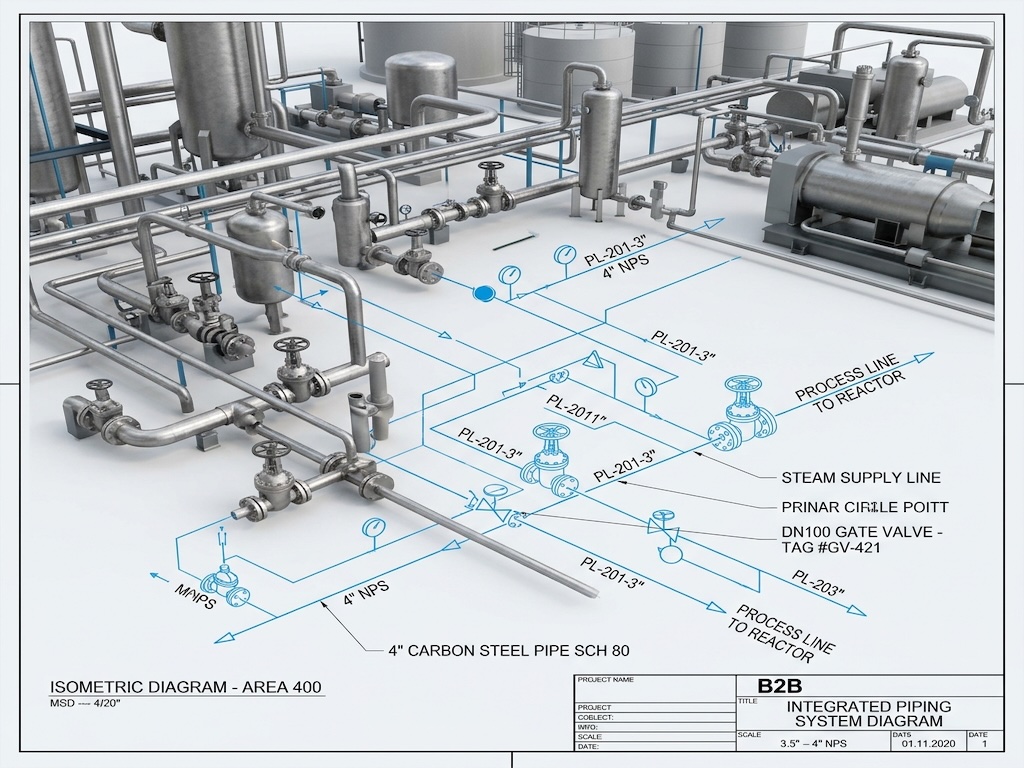
The era of flat, 2D drawings is over. In today’s fast-paced Oil & Gas sector, speed, accuracy, and integration are paramount. 3D Engineering & Digital Solutions provide the technological bridge between a conceptual idea and a successfully operating facility.
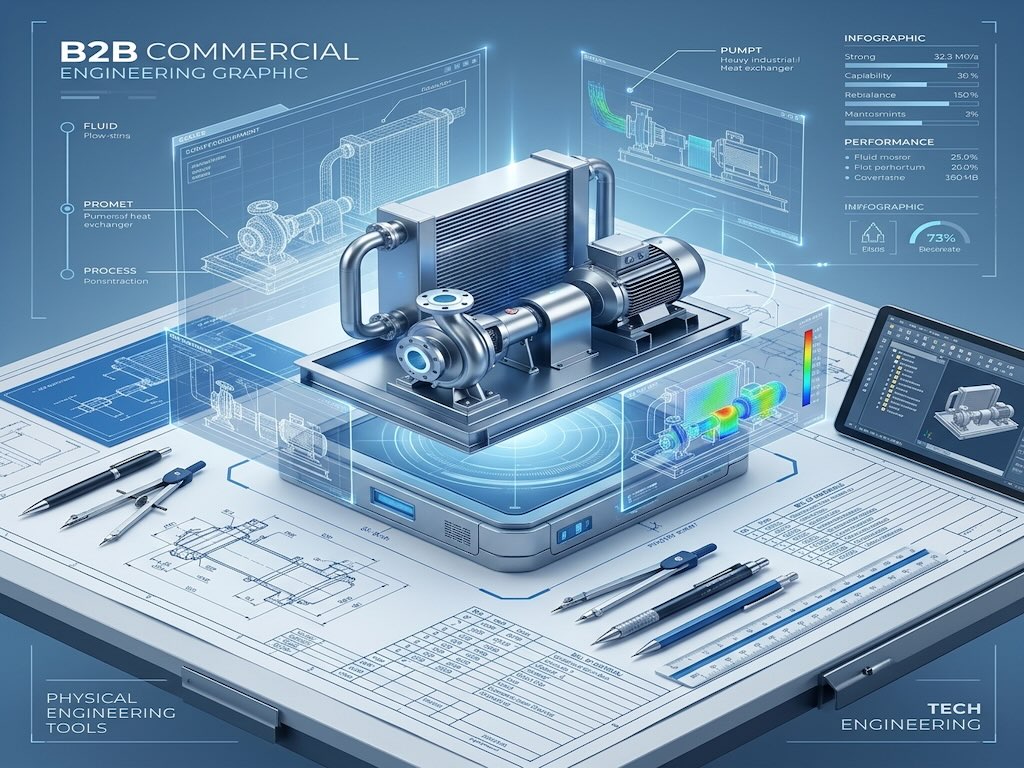
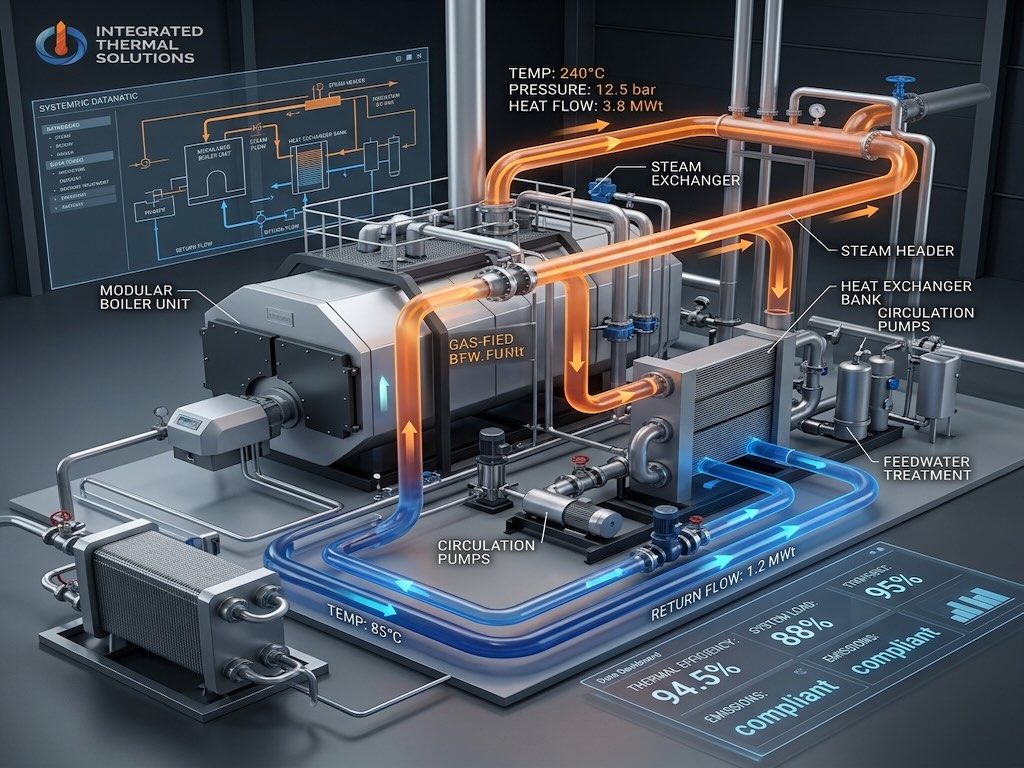
We leverage cutting-edge 3D modeling and digital engineering capabilities to transform your projects. By building your plant in the digital world before building it in the real world, we eliminate surprises, reduce waste, and streamline the path to first oil.
The Cost of Collision: Industry data analysis suggests that identifying a piping clash (collision) in the 3D model costs approximately $50 to fix. Rectifying that same clash in the field during construction costs an average of $5,000 in labor, materials, and schedule delays. Digital engineering is not an expense; it is insurance.
Industry-Leading Engineering Software Stack
We utilize a best-in-class software ecosystem to ensure compatibility and precision:
| SolidWorks | AutoCAD Plant 3D | Navisworks |
| PDMS | E3D | Aveva |
1. 3D Modular Skid Design
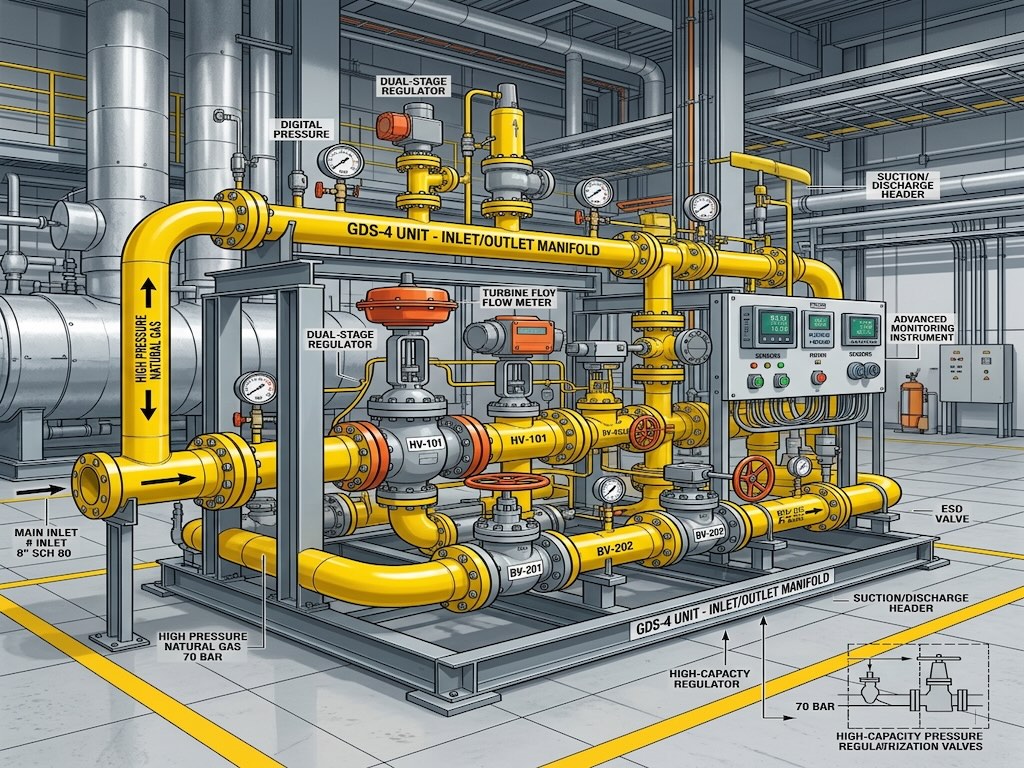
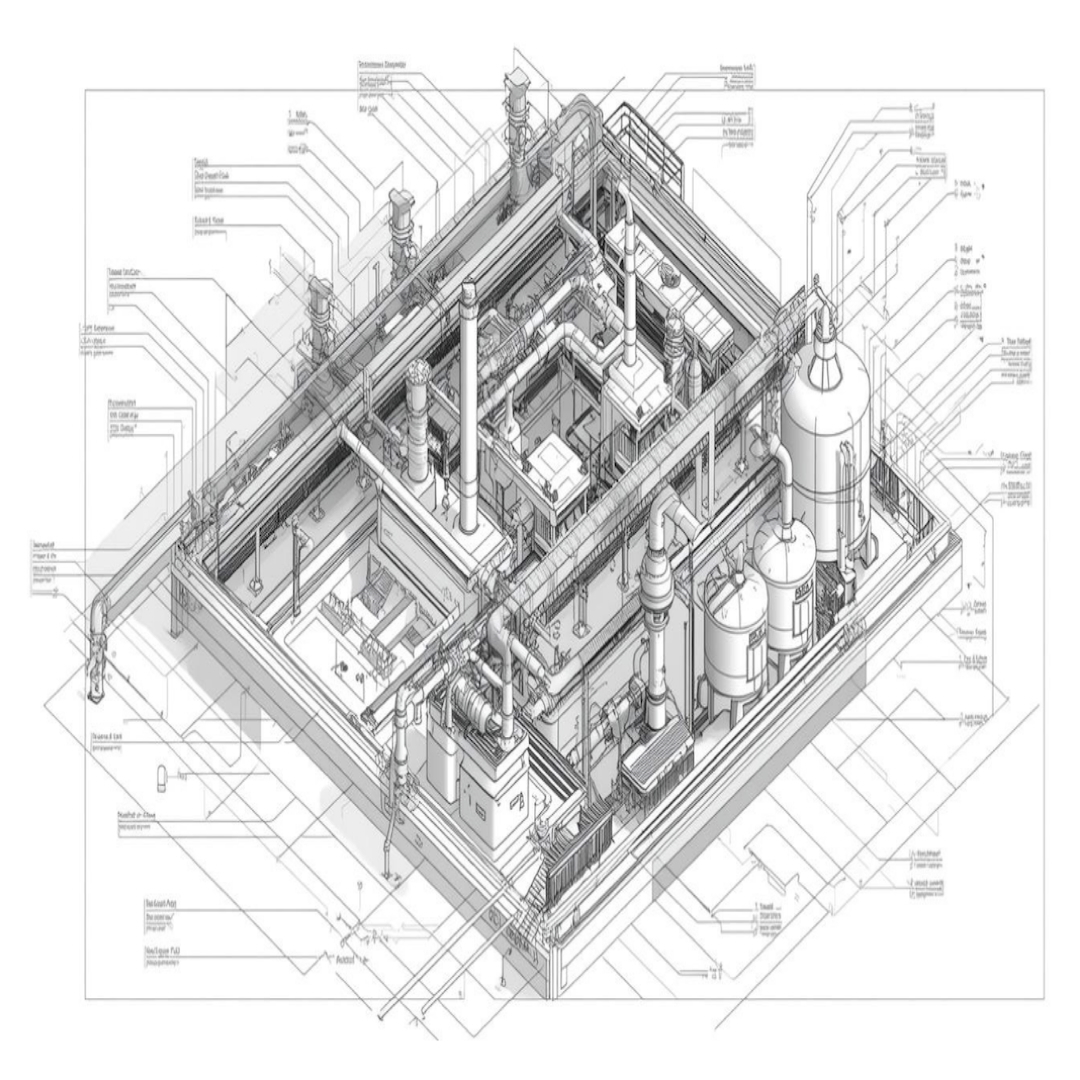
Modularization is the modern strategy for reducing site work. We specialize in the 3D modeling of oil & gas modular skids. Designing a skid is like solving a 3D puzzle; pipes, instruments, vessels, and cable trays must fit into a transportable frame with millimeter precision.
Design for Fabrication (DfF)
Most engineers design for the process. We design for the fabricator. Our 3D models explicitly account for weld access, bolt clearance, and spool transport. We utilize SolidWorks to generate cut lists directly from the model, ensuring that the pipe fabricated in the shop fits the frame on the skid—every single time.
2. Clash Detection & Coordination
A multi-disciplinary project involves thousands of components. Pipes run through beams; cable trays cross ventilation ducts. Clash Detection is the automated algorithmic process of finding these conflicts.
Our services go beyond “Hard Clashes” (physical intersections). We perform “Soft Clash” Analysis, which checks for:
- ✓ Maintenance Access: Ensuring there is enough empty space to pull a heat exchanger bundle or remove a pump rotor.
- ✓ Safety Clearances: Verifying escape routes and fire safety spacing.
- ✓ Operational Access: Ensuring a human operator can actually reach the valve handwheel.
3. Virtual Design Reviews (VR/AR)
Reading 2D drawings requires specialized training. Walking through a 3D model does not. We conduct Virtual Design Reviews using interactive 3D model walkthroughs (Navisworks). This allows all stakeholders—from investors to operations staff—to visualize the project instantly.
- Operations Input: Operators can “walk” the plant digitally, pointing out ergonomic issues regarding valve placement or gauge visibility before construction begins.
- Constructability Review: Construction managers can plan crane lifts and scaffolding logistics using the accurate digital twin.
4. Intelligent Fabrication & GA Drawings
The 3D model is the source of truth, but the 2D drawing is the instruction manual. Our team automates the generation of General Arrangement (GA) and fabrication drawings from the 3D model.
Because these drawings are linked bi-directionally to the model, any design change (e.g., moving a pump 100mm) automatically updates every elevation view, section view, and isometric drawing. This data integrity ensures that no drawing ever contradicts another, eliminating the dreaded “Contractor RFI” loops that delay projects.
5. Digital Twin Handoff
Our involvement doesn’t end at design. The 3D engineering model can be handed over as a Digital Twin foundation. Enriched with metadata (maintenance manuals, spare parts lists, and tag numbers), this model becomes a robust asset management tool for the next 20 years of operation.
Frequently Asked Questions (FAQ)
Q1: Why choose 3D modeling over 2D CAD?
A: 3D modeling provides accuracy that 2D cannot match. It allows for automated clash detection, accurate “Bill of Materials” generation, and visualization, which significantly eliminates rework during fabrication and construction.
Q2: Which CAD software formats do you support?
A: We support a wide range of industry-standard formats including SolidWorks, AutoCAD Plant 3D, PDMS, and E3D. We can also import/export generic formats like STEP and IGES for interoperability.
Q3: Can existing facilities be converted to 3D models?
A: Yes. We use Laser Scanning technology to capture the point cloud of an existing plant and convert it into a “As-Built” intelligent 3D model, perfect for brownfield modifications or revamps.
Q4: What is a “Digital Twin”?
A: A Digital Twin is a virtual replica of your physical asset that is updated with real-time data. It is used for training, predictive maintenance, and operational optimization.
Visualize Your Success
Eliminate field rework and visualize your project with our advanced 3D engineering solutions. See it before you build it.
Request a 3D Model Demo