The Future of Industrial Plant Efficiency Through Energy Engineering
As global energy costs soar and carbon compliance mandates tighten, traditional facility design is no longer sufficient. Energy engineering has emerged as the critical discipline focused on optimizing the generation, distribution, and consumption of power and heat within industrial environments. By applying advanced thermodynamics and rigorous system analysis, energy engineers transform massive energy-wasting factories into lean, highly efficient, and sustainable production powerhouses.
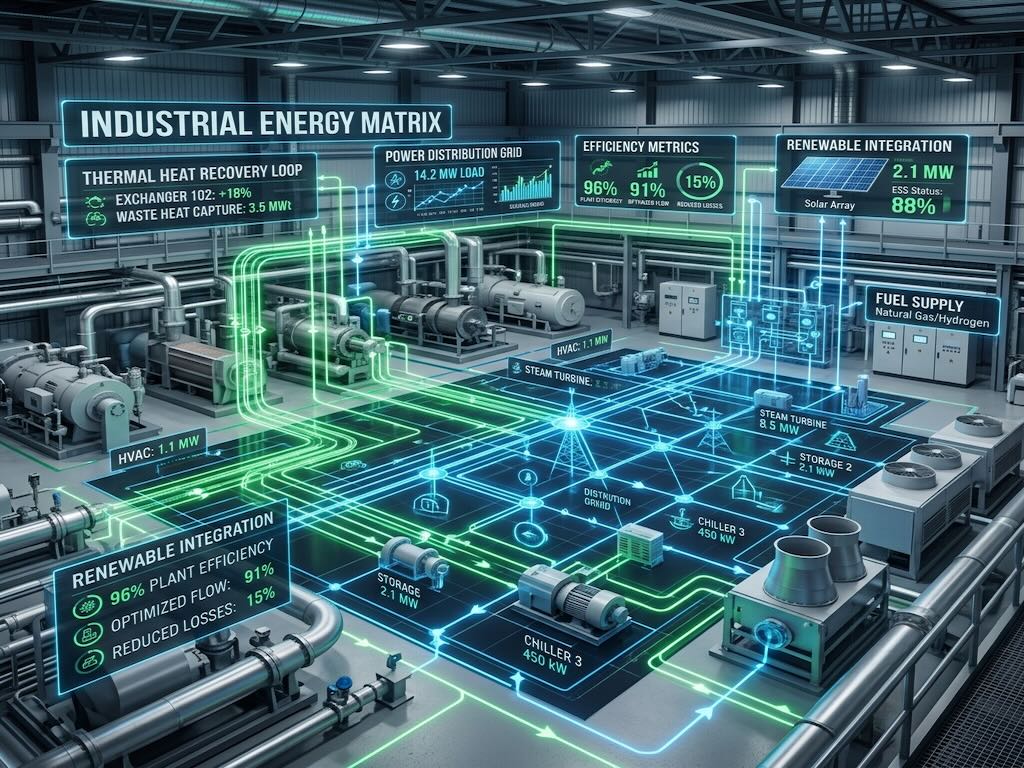
What is Energy Engineering?
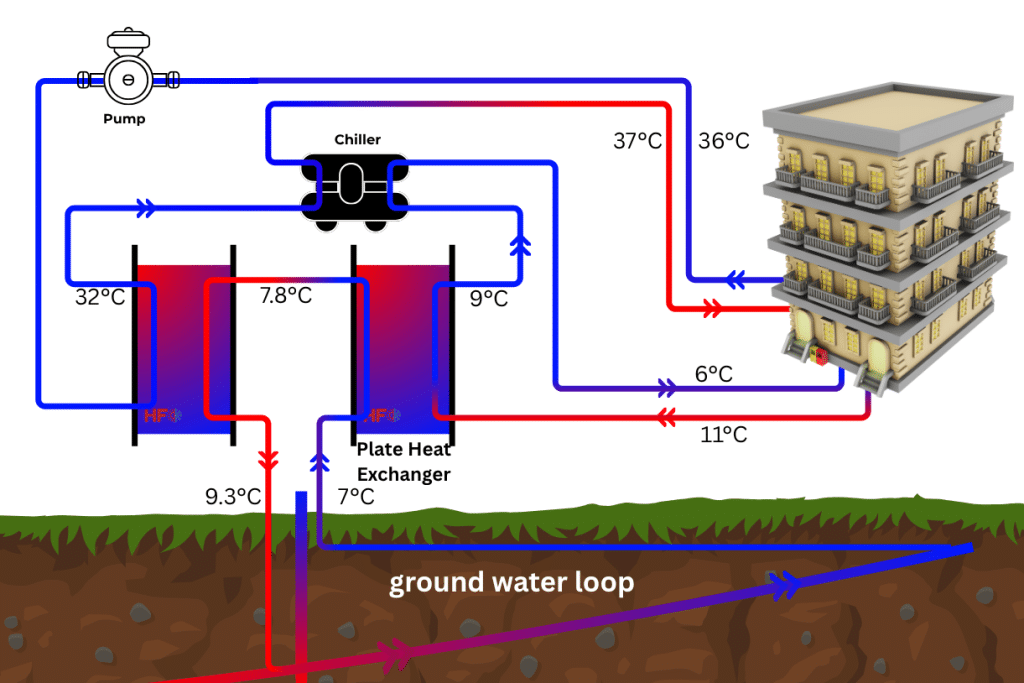
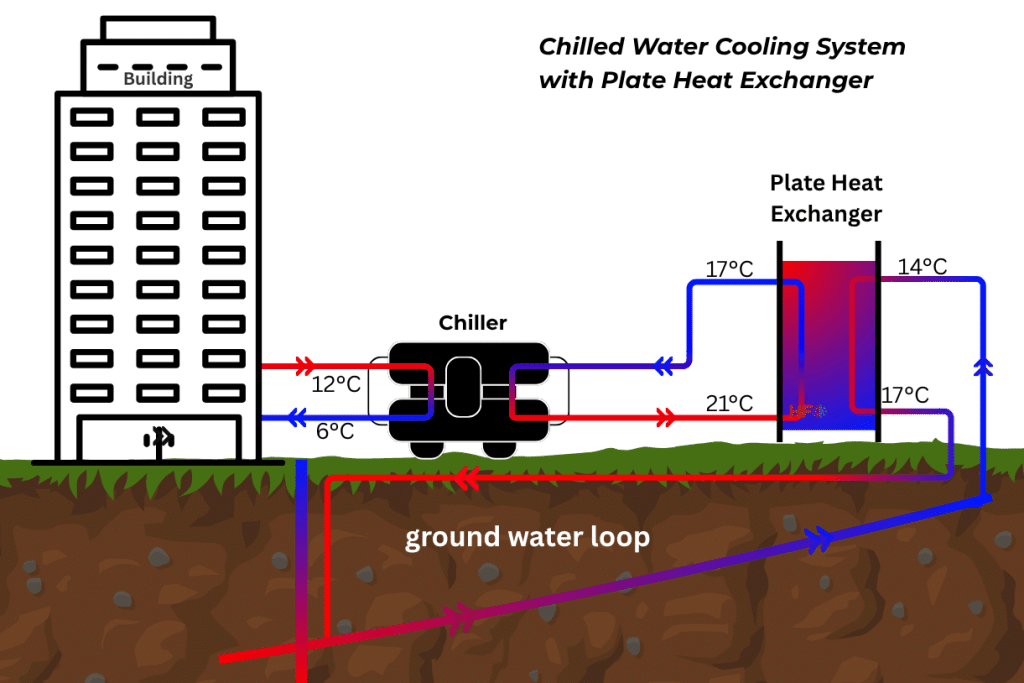
Energy engineering is a specialized branch of engineering dedicated to improving energy efficiency, reducing power consumption, and integrating renewable energy sources into commercial and industrial facilities. It relies on deep thermodynamic analysis to identify waste heat, optimize HVAC loads, and implement technologies like cogeneration (CHP) and advanced heat recovery systems.
Core Strategies in Industrial Energy Engineering
An effective energy engineering audit does not simply recommend changing lightbulbs to LEDs. In heavy industry, the largest savings are found in thermal fluid dynamics and mechanical optimization. Key strategies include:
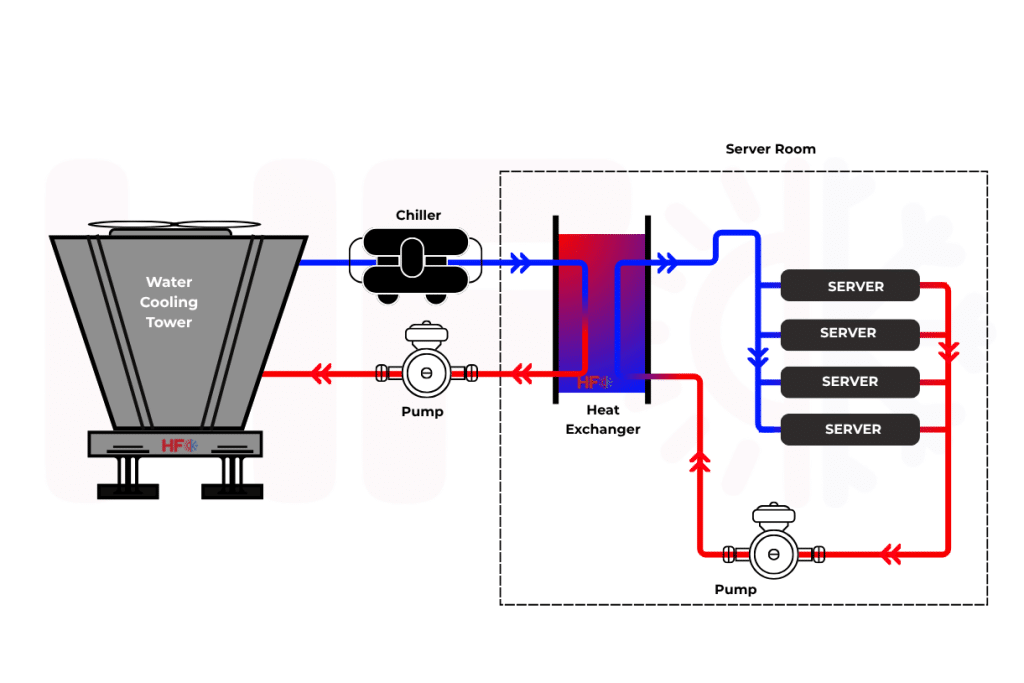
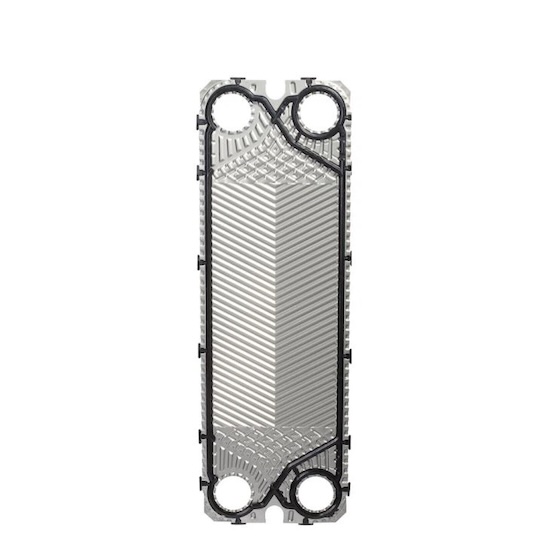
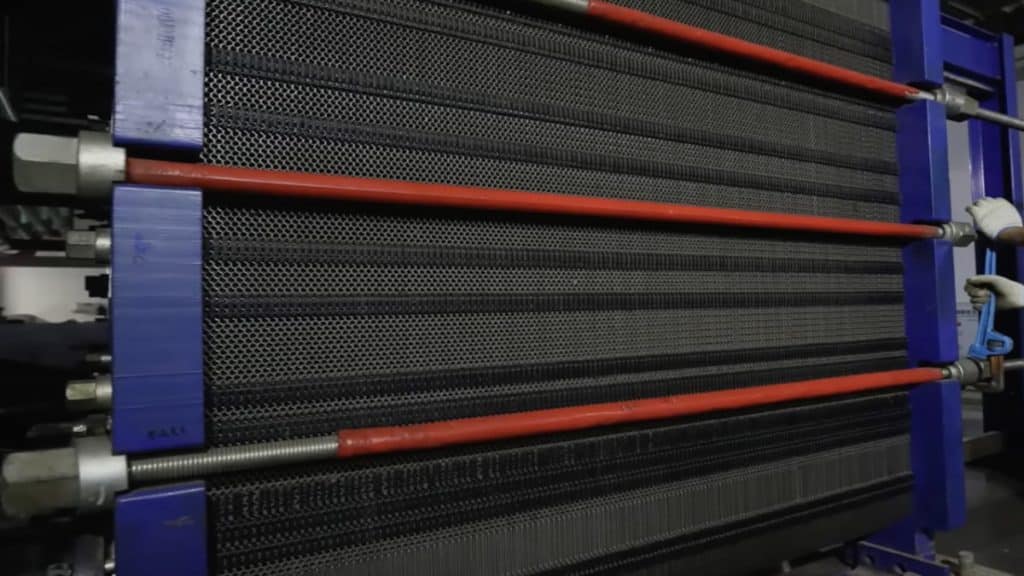
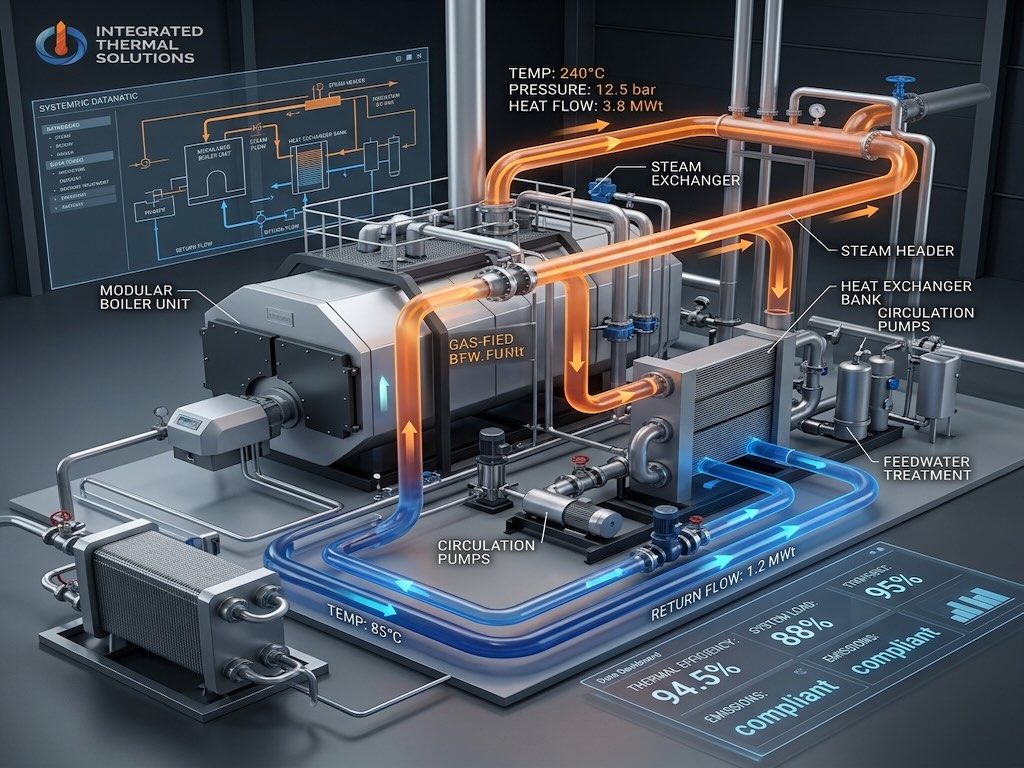
- Waste Heat Recovery: Capturing high-temperature exhaust gases from kilns, furnaces, or generators and routing them through a heat exchanger to pre-heat boiler feedwater or generate low-pressure steam.
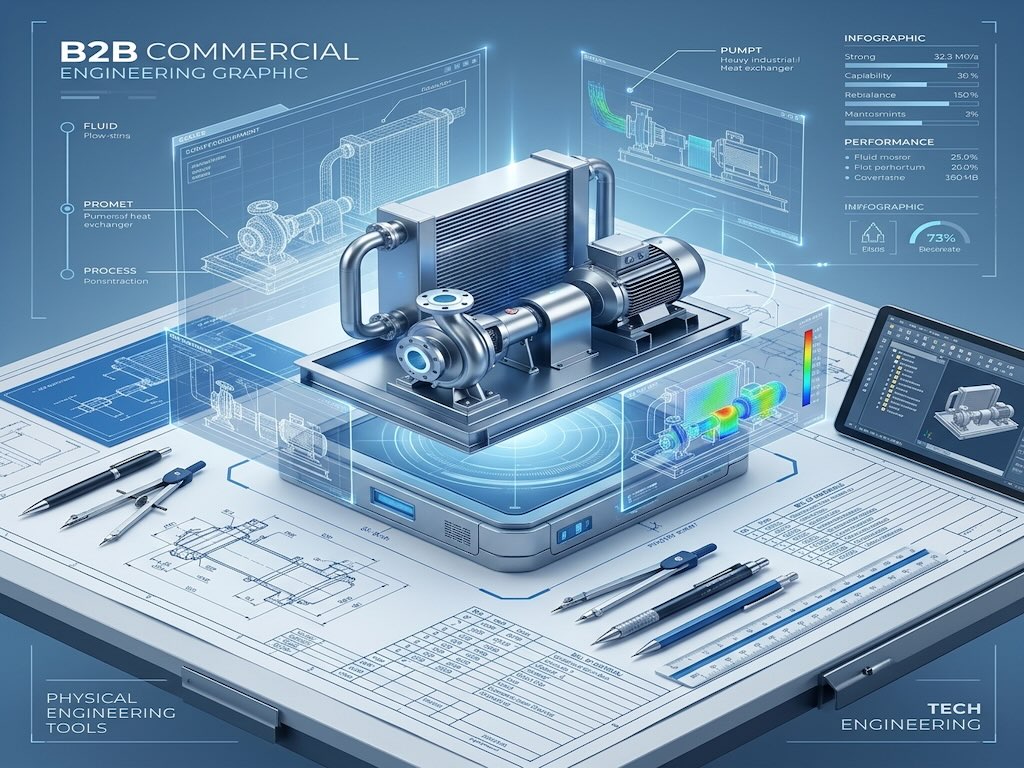
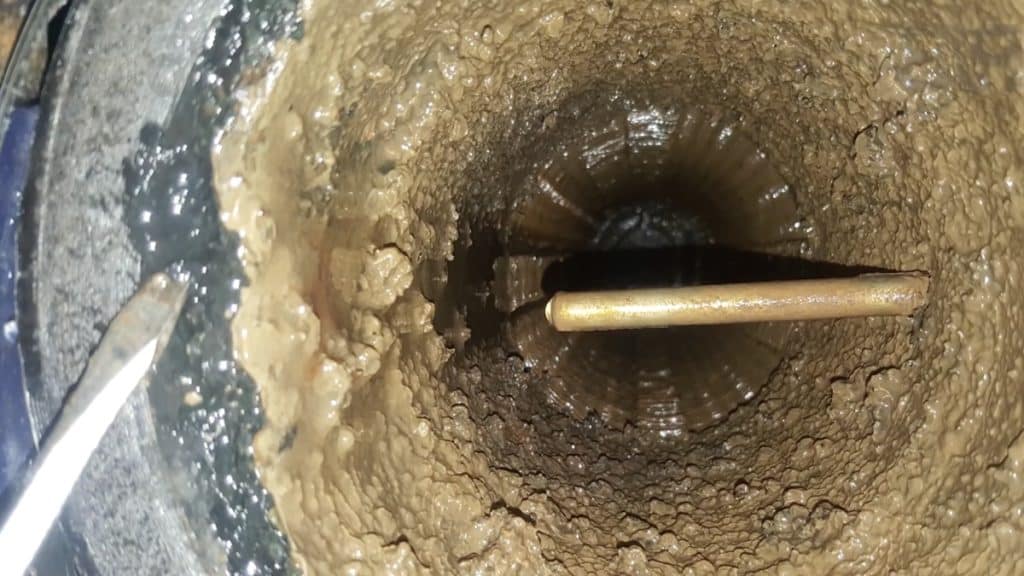
- Optimizing Thermodynamics: Understanding the interplay of design pressure, pressure drop, and fouling factor in heat exchangers to ensure pumps aren’t overworking to push fluids through scaled-up pipes.
- Cogeneration (CHP): Simultaneously generating electricity and useful thermal heat from a single fuel source, pushing overall system efficiency from roughly 45% to over 80%.
- Variable Speed Technologies: Installing Variable Frequency Drives (VFDs) on massive industrial pumps and fans so they only consume the exact electrical power required for the current process load.
- Advanced Building Envelopes: Reducing the baseline thermal load of the facility to maximize mechanical design and consultancy outcomes for HVAC systems.
Energy Engineering Audits: Level 1 vs. Level 3
When an industrial facility engages an energy engineering firm, audits are typically categorized by ASHRAE standards based on their depth and complexity.
| Audit Type | Scope and Depth | Typical Deliverables |
|---|---|---|
| Level 1 (Walk-Through) | High-level visual inspection and review of utility bills. | Identification of low-cost/no-cost “low hanging fruit” savings. |
| Level 2 (Standard Audit) | Detailed equipment inventory, operating hours, and basic ROI calculations. | Capital-intensive upgrade recommendations with financial payback metrics. |
| Level 3 (Investment Grade) | Rigorous data logging, thermodynamic modeling, and highly accurate costings. | Bank-ready financial proposals for massive infrastructural overhauls (e.g., adding a CHP plant). |
Frequently Asked Questions
What is the difference between energy engineering and mechanical engineering?
Energy engineering is a hyper-focused subset of mechanical and electrical engineering. While a mechanical engineer might design a boiler to simply function safely, an energy engineer focuses entirely on how to make that boiler consume the absolute minimum amount of fuel.
How does pressure drop affect energy efficiency?
High pressure drop forces pumps and compressors to work harder. If a piping network or heat exchanger is poorly designed with excessive resistance, the electrical motors driving the fluid must consume significantly more power, destroying system efficiency.
What is an Energy Service Company (ESCO)?
An ESCO is a business that provides comprehensive energy solutions and often finances the project. They perform the energy engineering, install the upgrades, and are paid back over time through the guaranteed energy savings generated by the new equipment.
Why is fouling a major issue in energy engineering?
Fouling (scale or dirt buildup inside pipes) acts as an insulator. It severely restricts heat transfer, meaning the system must burn more fuel to achieve the required process temperatures, while simultaneously increasing pressure drop.
Transform Your Plant’s Energy Footprint
Energy engineering is an investment that pays for itself. By identifying waste heat, optimizing fluid dynamics, and upgrading outdated mechanical systems, Heating Formula’s design and consultancy team can help your facility achieve massive reductions in operational costs and carbon emissions.