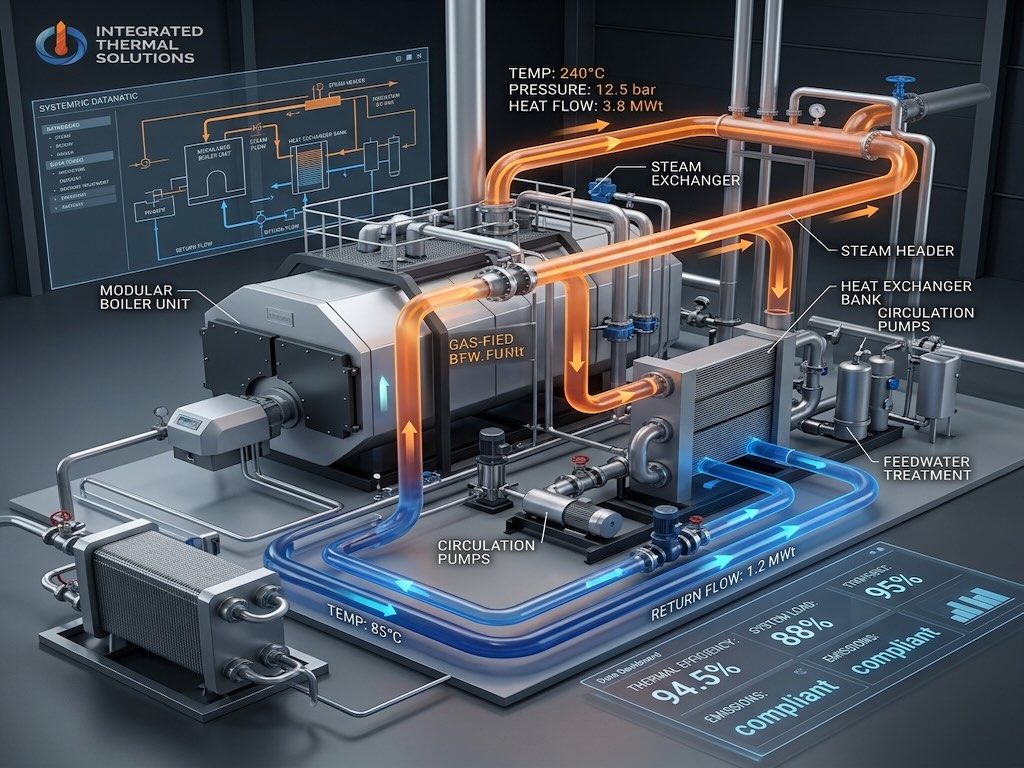
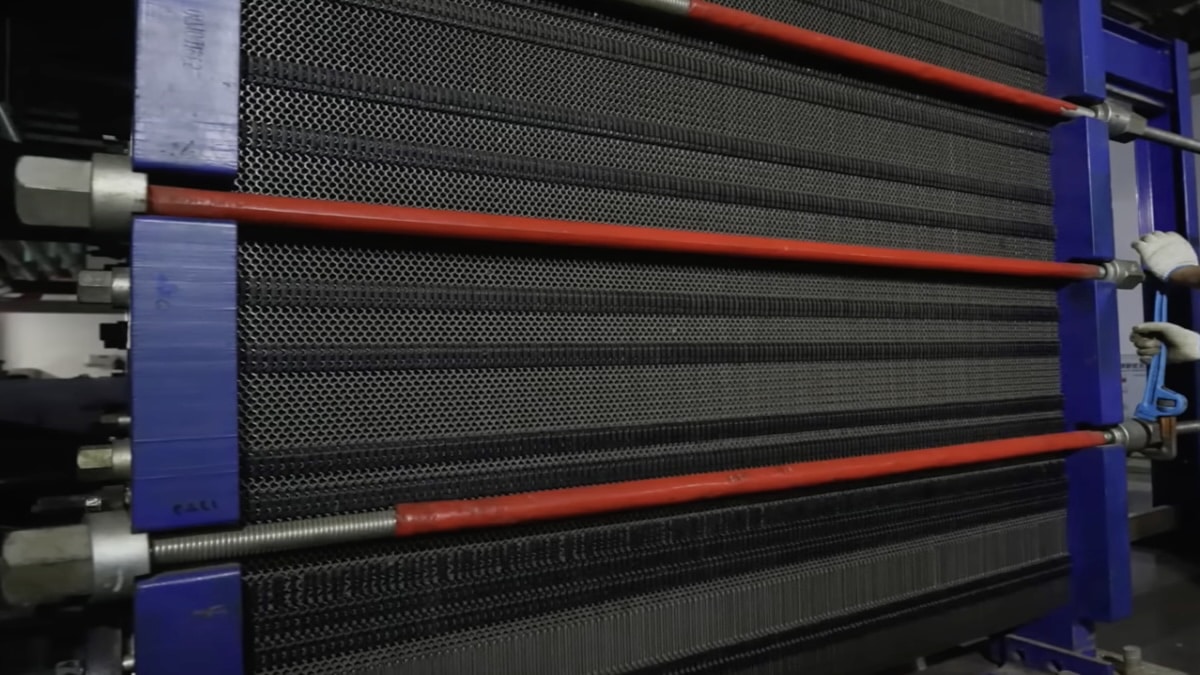
Choosing the right plate material for your heat exchanger is one of the most critical — and most overlooked — decisions in industrial procurement. The wrong material leads to accelerated corrosion, unplanned shutdowns, and costly replacements. In this guide we break down four key alloys — SS316, Titanium, SMO254, and Hastelloy C-276 — and explain exactly when each one is the right choice.
Heating Formula supplies heat exchanger plates and spare parts to Russia and the CIS from Turkey in original OEM and OEM-equivalent grades. All materials come with full quality certification and technical documentation.
SS316 stainless steel — the reliable all-rounder
SS316 (AISI 316) is the most widely used plate material in industrial heat exchangers. The addition of 2–3% molybdenum gives it significantly better corrosion resistance than SS304, particularly in chloride-containing environments and organic acid processes.
Typical applications for SS316:
- Water treatment and district heating systems
- Food processing and pharmaceutical production
- Chemical processes with moderately aggressive media
- HVAC and industrial cooling circuits
Limitation: SS316 is not recommended for high chloride concentrations or strong sulphuric acid environments. In those cases, consider SMO254 or Hastelloy C-276.
Titanium — the corrosion resistance benchmark
Titanium plates offer exceptional resistance to seawater, chloride solutions, and most oxidising acids. Despite the higher upfront cost, titanium pays for itself quickly in applications where other materials fail within months.
Typical applications for titanium:
- Oil and gas — seawater cooling systems
- Chlor-alkali production
- Desalination plants
- Shipbuilding and offshore installations
Important: Titanium is incompatible with anhydrous hydrofluoric acid and hot concentrated oxidising agents. Consult our engineers before specifying titanium for your application.
SMO254 — the high-performance choice for chloride environments
SMO254 (UNS S31254) is a super-austenitic stainless steel with a high molybdenum content (6%) and nitrogen addition. It was specifically developed for aggressive chloride environments where SS316 is no longer adequate but titanium is cost-prohibitive.
Typical applications for SMO254:
- Chemical industry — acid and solvent production
- Pulp and paper manufacturing
- Desalination and water treatment plants
- FGD (flue gas desulphurisation) systems
Important: SMO254 is not recommended for environments with high concentrations of sulphuric acid at elevated temperatures — in those cases, Hastelloy C-276 is the appropriate choice.
Hastelloy C-276 — for the most aggressive process media
Hastelloy C-276 is a nickel-molybdenum-chromium alloy with outstanding resistance to a wide range of chemically aggressive environments, including both oxidising and reducing acids, halogens, and chlorination by-products. It is the material of last resort — when everything else is insufficient.
Typical applications for Hastelloy C-276:
- Sulphuric, hydrochloric, and phosphoric acid production
- Oil refining and petrochemical processing
- Pesticide and dye manufacturing
- Radioactive waste handling
Material comparison table
| Material | Chloride resistance | Temperature range | Relative cost | Typical application |
|---|---|---|---|---|
| SS316 | Moderate | Up to 300°C | ★☆☆ | HVAC, food, water |
| Titanium | High | Up to 315°C | ★★★ | Seawater, chlorine |
| SMO254 | Very high | Up to 300°C | ★★☆ | Chemical industry |
| Hastelloy C-276 | Exceptional | Up to 400°C | ★★★ | Acids, petrochemicals |
Frequently asked questions
Can I replace original OEM plates with an equivalent in a different material?
Yes, provided the plate geometry and operating parameters are maintained. Our engineers will confirm compatibility and recommend the appropriate equivalent based on your technical specification.
What certificates are included with delivery?
We provide material certificates to EN 10204 3.1 or 3.2, a quality dossier, and third-party inspection reports where required.
What are the lead times for delivery to Russia?
Standard lead time is 2–4 weeks depending on material and order volume. Expedited delivery is available for critical shutdowns — contact us to check stock availability.
Selecting the right material is not just a technical decision — it directly affects your maintenance budget and production continuity. Contact our engineers for a material recommendation tailored to your process conditions. We supply from Turkey to Russia with full documentation and competitive lead times.
🔧 Contact us for a quote
📦 Browse our heat exchanger product range
🧮 Use our heat exchanger calculator
Request a quote
Tell us your heat exchanger model and required material — we’ll respond within 1 business day.
Select Brand
What Do You Need?
Select the type of spare parts required.
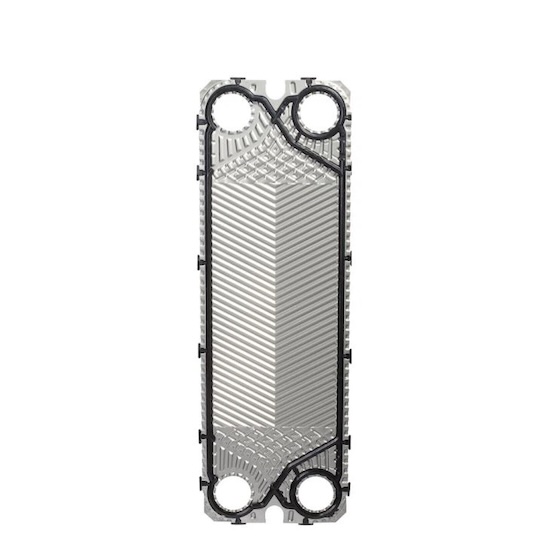 Plates Only
 Gaskets Only
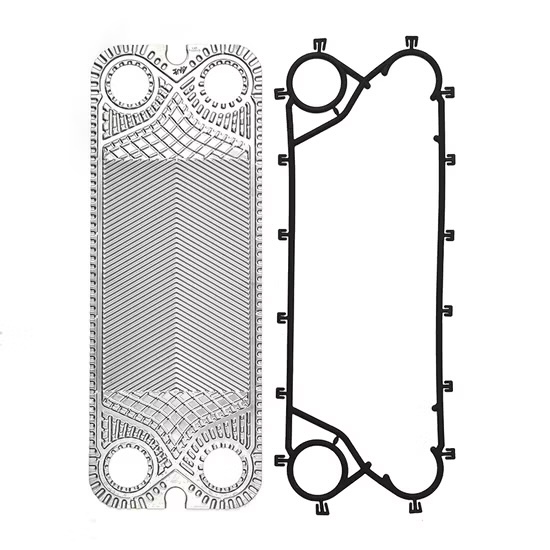 Plates & Gaskets
Specifications
Enter quantities and select material.
Plates
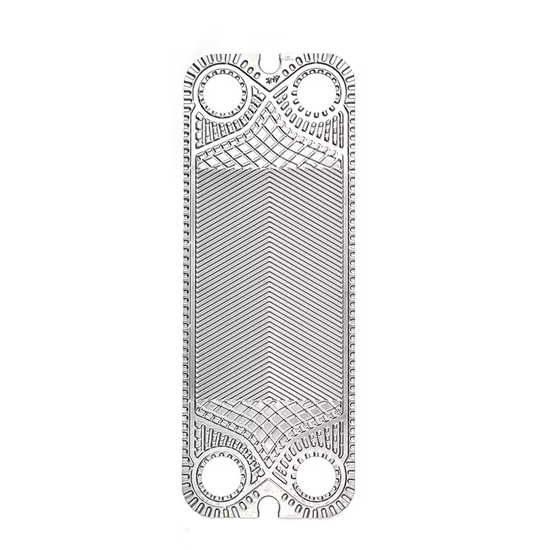 Flow Plate
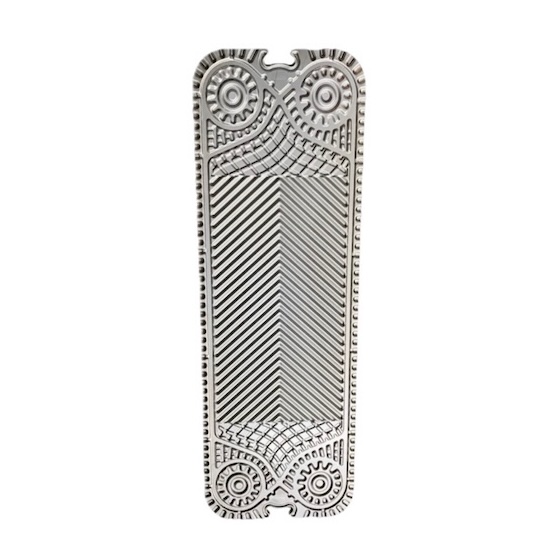 End Plate
Plate Material
Gaskets
Flow Gasket
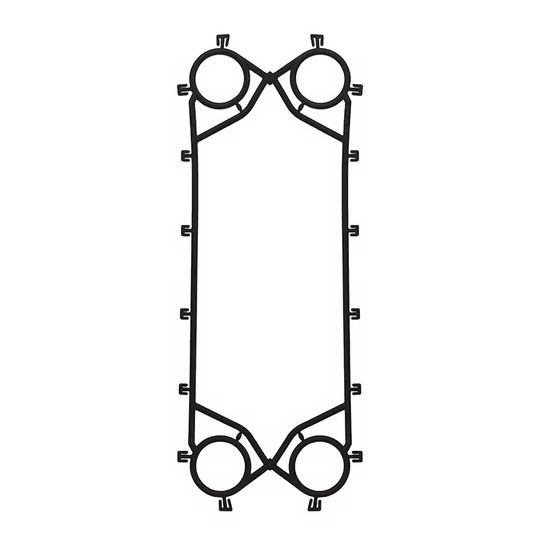 End Gasket
Gasket Material
Your Details
We'll contact you with a quotation. Fields marked * are required.
Review Your Selection ▼
Inquiry Sent!
Thank you. We will review your inquiry and get back to you shortly.