The Principles of Heavy Industrial Design and Equipment Engineering
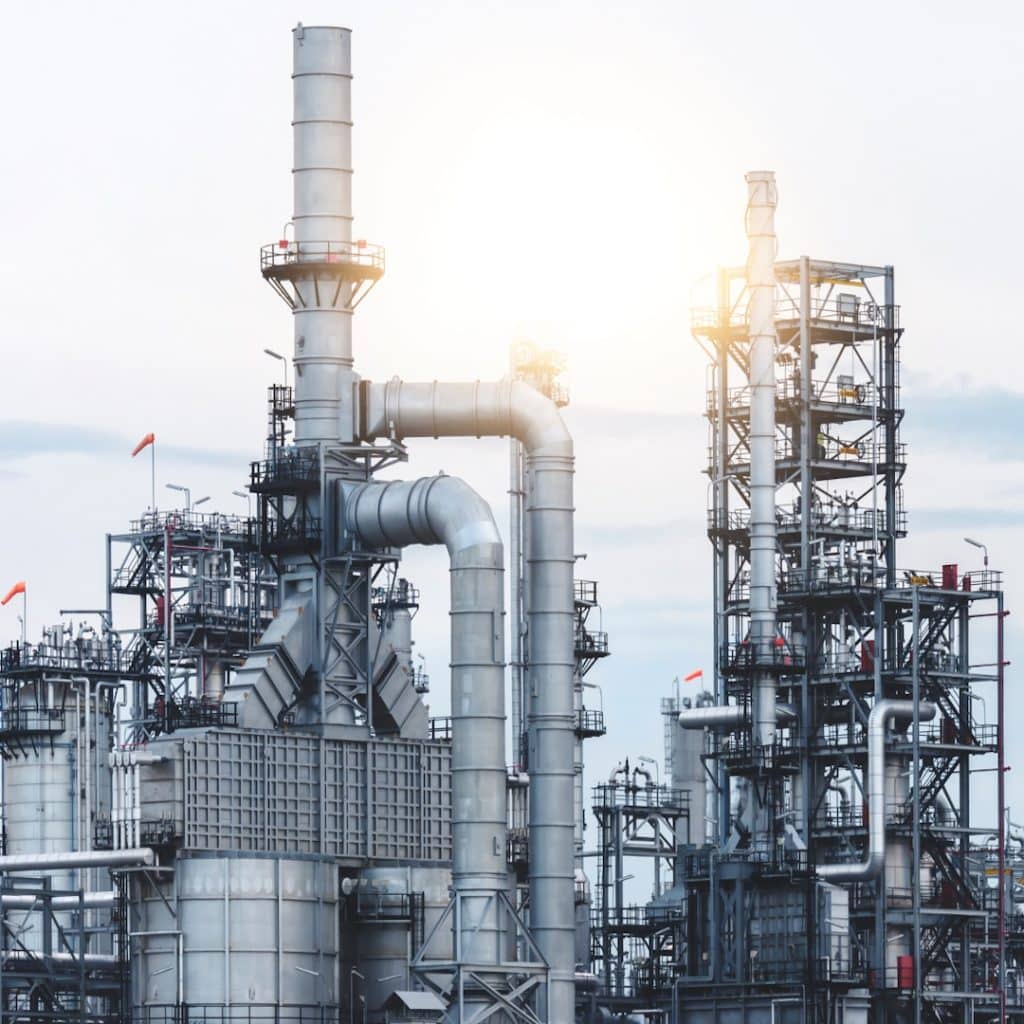
Unlike consumer product design, which focuses heavily on aesthetics and ergonomics, industrial design in the B2B engineering sector is entirely driven by safety, pressure containment, and thermodynamic efficiency. Designing heavy equipment—such as massive distillation columns or high-pressure heat exchangers—requires a rigorous synthesis of mechanical engineering, material science, and advanced 3D CAD modeling to ensure decades of flawless operation under extreme conditions.
What is Heavy Industrial Design?
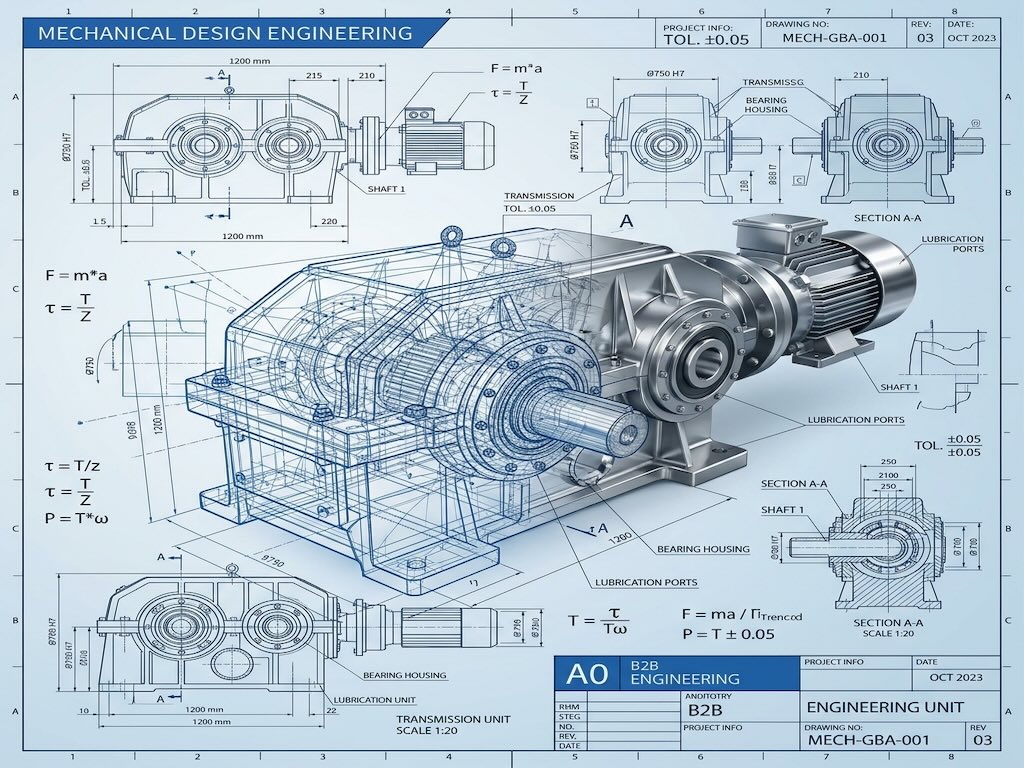
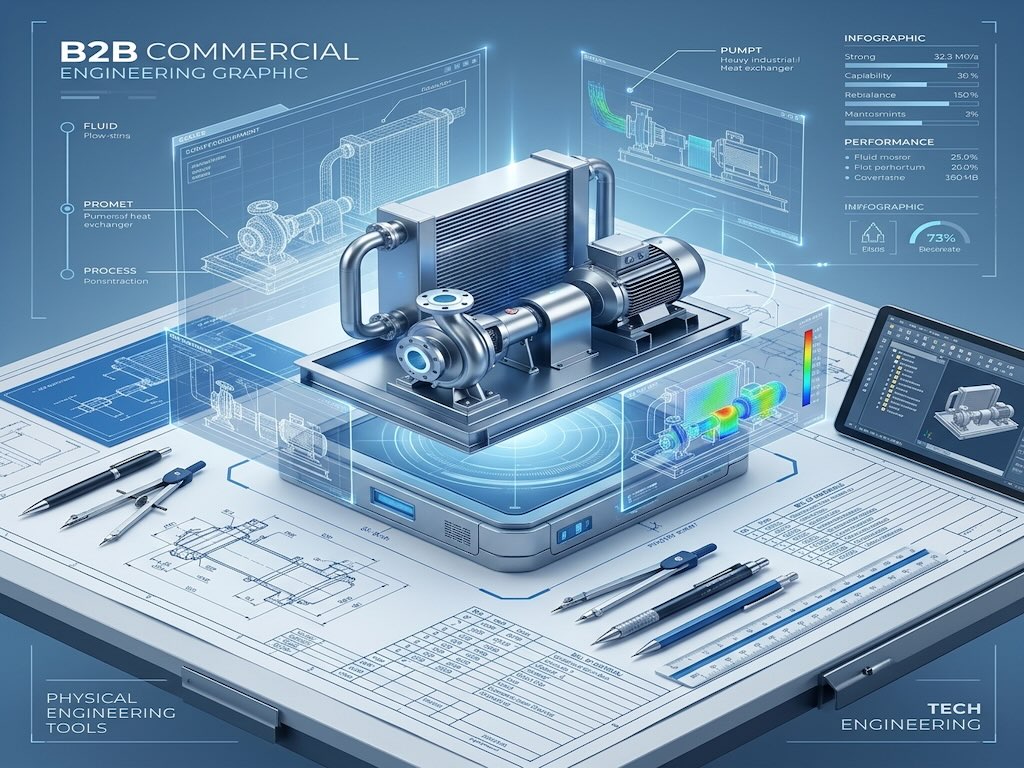
Industrial design in the heavy engineering sector refers to the detailed mechanical and structural drafting of plant equipment. It involves calculating material thicknesses to meet ASME codes, selecting corrosion-resistant alloys, and generating 3D models and 2D fabrication blueprints so that manufacturing shops can construct safe, pressure-retaining vessels and modular skids.
Key Disciplines in Industrial Equipment Design
Designing heavy machinery is a highly specialized field. Our engineers focus on several critical disciplines to bring a conceptual process to physical reality:
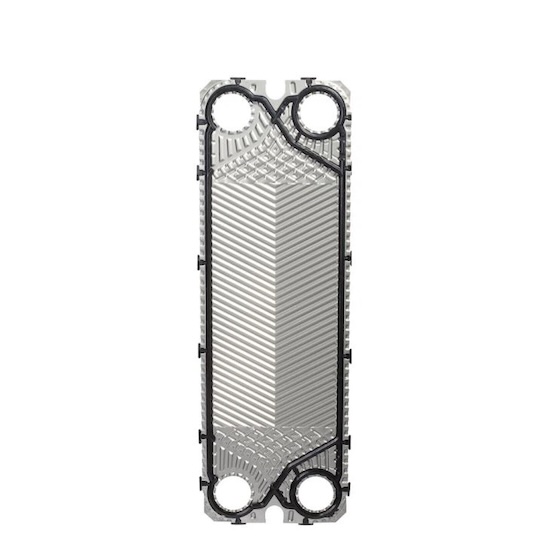
- Thermal Design: Calculating the exact surface area required to transfer heat between two fluids. This is often initiated using a professional heat exchanger calculator before moving to detailed HTRI software.
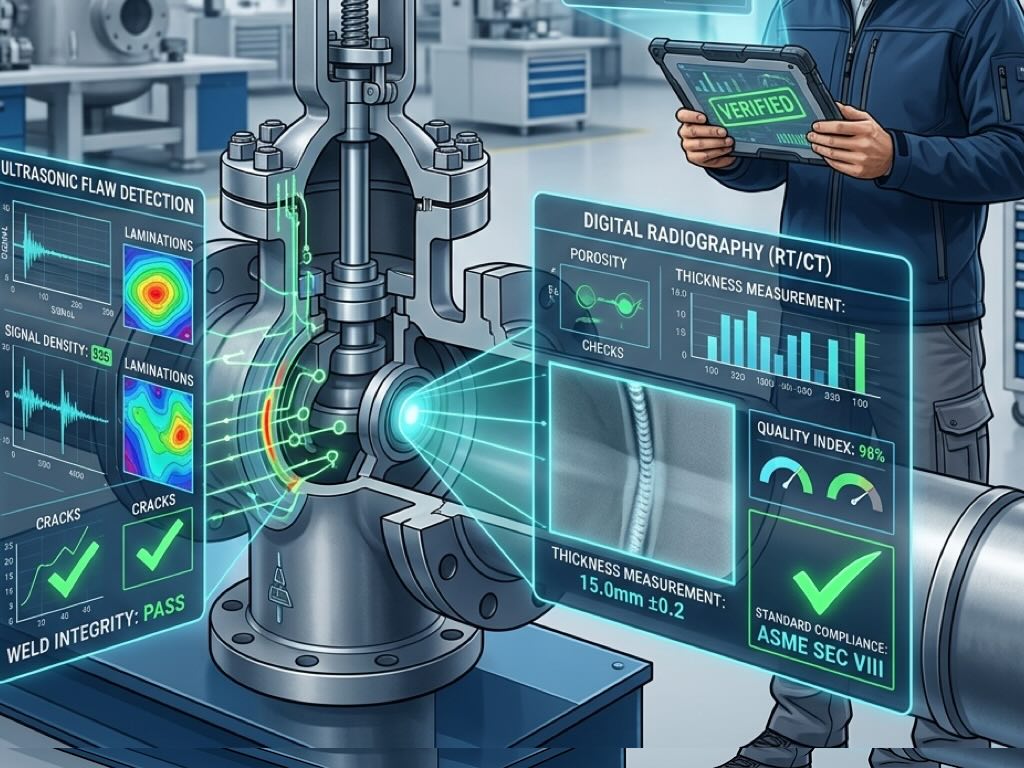
- Mechanical Strength Analysis: Ensuring that static equipment design meets the strict requirements of the ASME Boiler and Pressure Vessel Code (BPVC).
- Material Selection (Metallurgy): Choosing the right steel grade (e.g., SS316L, Duplex, Hastelloy) to prevent rapid corrosion from harsh chemicals like sulfuric acid or high-chloride cooling water.
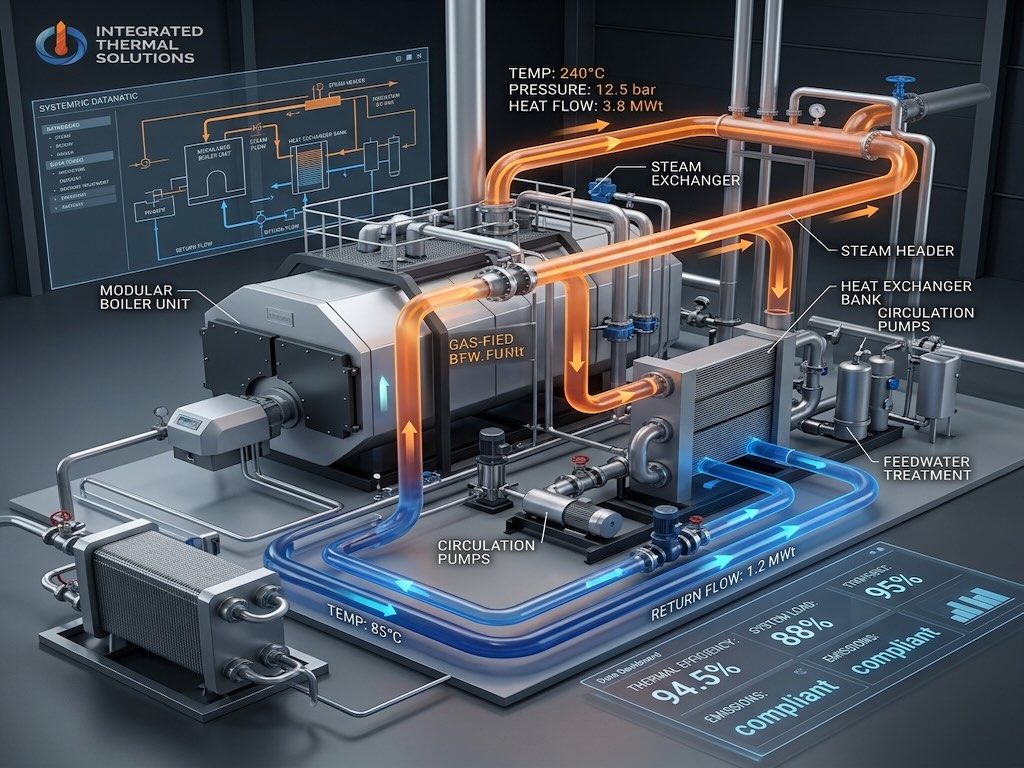
- Modularization (Skid Design): Designing a structural steel frame to hold pumps, vessels, and piping in a compact, transportable \”skid\” that minimizes expensive field construction time.
- Lifting and Rigging Analysis: Designing heavy lifting lugs and calculating the center of gravity so cranes can safely install the equipment at the plant site.
Static Equipment vs. Rotating Equipment
Industrial design categorizes plant machinery into two primary groups, each requiring a completely different engineering approach.
| Category | Examples | Primary Design Focus |
|---|---|---|
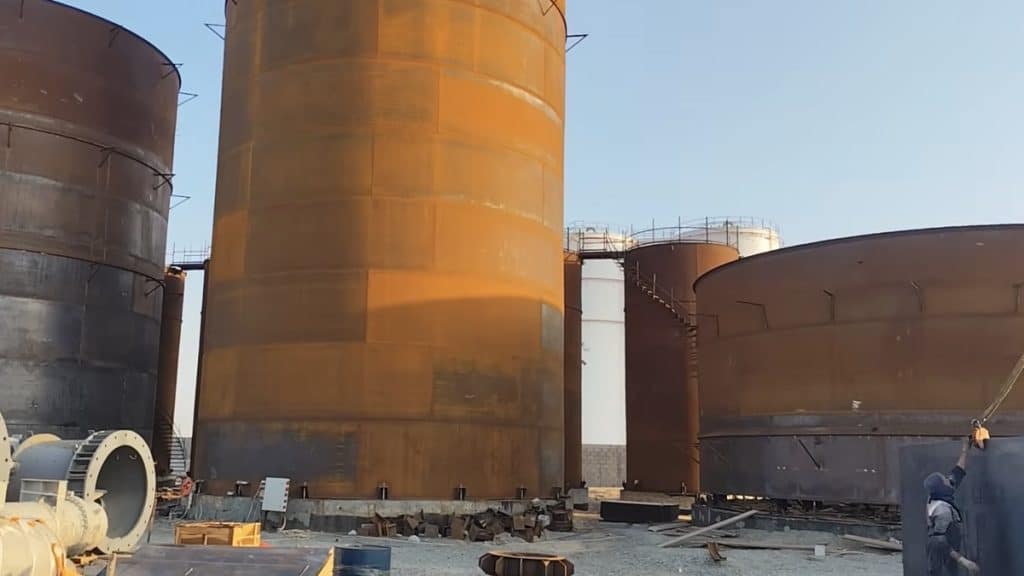
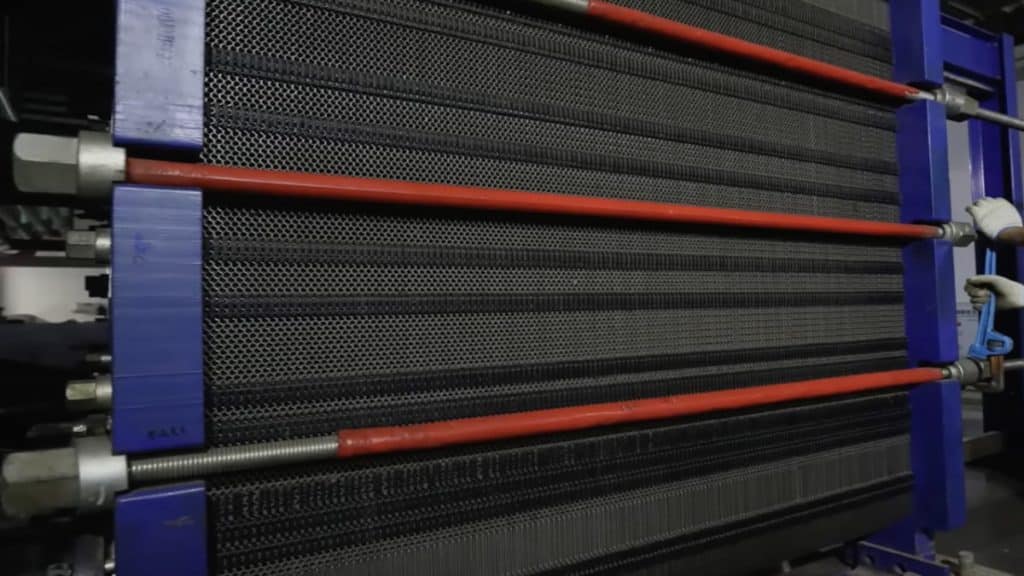
| Static Equipment | Pressure Vessels, Heat Exchangers, Tanks, Columns | Pressure containment, thermal expansion, corrosion allowance, wind loads. |
| Rotating Equipment | Pumps, Compressors, Turbines, Centrifuges | Vibration analysis, bearing lubrication, shaft alignment, motor sizing. |
Frequently Asked Questions
What is corrosion allowance in industrial design?
Corrosion allowance is extra thickness added to a steel plate during design. If a pressure vessel needs 10mm of steel to hold pressure, an engineer might specify 13mm, giving the vessel a 3mm sacrificial buffer to slowly rust away over its 20-year lifespan without compromising safety.
Why are heat exchanger tubes so thin?
Tubes are thin to maximize thermal conductivity. The thicker the steel, the harder it is for heat to pass through it. Industrial design must balance the need for thin walls (for efficiency) against the need for thick walls (to withstand high pressure).
What software is used for 3D equipment design?
SolidWorks and Autodesk Inventor are the industry standards for detailed mechanical modeling. For calculating the actual pressure containment thicknesses, software like PV Elite or Compress is utilized.
What does “skid-mounted” mean?
A skid is a steel base frame. Instead of building a complex system piece-by-piece at a dirty, expensive construction site, the entire system is built and tested onto a single skid in a clean factory, then shipped on a truck as one complete “plug-and-play” unit.
Precision Engineering Consultancy
When you are procuring million-dollar static equipment, guesswork is not an option. Heating Formula’s industrial design team provides the rigorous mechanical engineering, 3D modeling, and code-compliance checks necessary to ensure your heavy equipment is built to last.