Process Design and Engineering Services: What Industrial Projects Should Check Before Starting
Before an industrial project starts, the most important engineering question is not only “what equipment do we need?” It is “is the process basis correct, complete, and ready for design, procurement, construction, and operation?”
In Oil & Gas facilities, petrochemical plants, HVAC networks, food and beverage factories, power generation units, pharmaceutical plants, marine systems, mining operations, steel plants, ethanol plants, and paper mills, early engineering decisions affect everything that follows. A weak process basis can lead to oversized equipment, undersized heat exchangers, incorrect utility loads, high pressure drop, poor maintainability, procurement disputes, vendor drawing revisions, and expensive site modifications.
This guide explains what industrial project teams should check before starting process design and engineering services. It is written for process engineers, mechanical engineers, EPC contractors, procurement teams, plant managers, HVAC engineers, and maintenance teams who need practical design control before committing budget and schedule.
Simple Definition: What Are Process Design and Engineering Services?
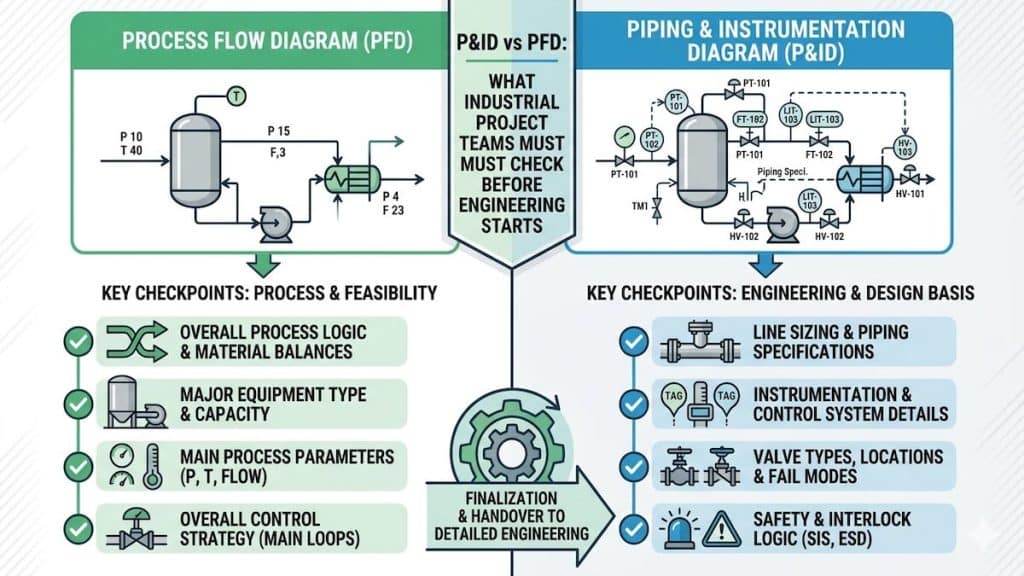
Process design and engineering services convert a project requirement into a technically defined industrial system. This normally includes design basis preparation, heat and material balance, equipment sizing, process simulation, PFDs, P&IDs, utility requirements, control philosophy, safety inputs, mechanical design coordination, piping interfaces, procurement datasheets, and vendor document review.
In practical terms, process engineering answers questions such as: how much heat must be transferred, what flow rate is required, what pressure drop is acceptable, which materials are suitable, which equipment code applies, what utilities are available, and how the system will behave at minimum, normal, maximum, start-up, shutdown, and upset conditions.
Quick Answer: What Should Be Checked Before Starting?
Before starting an industrial process design project, check the design basis, operating cases, fluid properties, thermal duty, pressure and temperature limits, fouling allowance, material compatibility, applicable codes, plot space, maintenance access, utility availability, vendor data requirements, and procurement risks.
A project should not move directly to purchasing equipment before the engineering team confirms the process conditions and design margins. For example, a gasketed plate heat exchanger selection depends on flow rate, inlet and outlet temperatures, allowable pressure drop, plate material, gasket material, fouling tendency, future capacity margin, and cleaning requirements. A shell and tube heat exchanger design may also require tube-side velocity checks, vibration review, bundle pull space, nozzle loads, thermal expansion, and mechanical code coordination.
Why This Matters for Industrial Projects
Industrial projects often fail at the interface between disciplines. Process engineers may define the thermal duty, but mechanical engineers need design pressure, design temperature, corrosion allowance, nozzle loads, and code requirements. Procurement engineers need datasheets, RFQ packages, vendor drawing requirements, inspection documents, and technical bid evaluation criteria. EPC contractors need PFDs, smart P&IDs, equipment lists, line lists, tie-in points, battery limits, and document control.
If these inputs are incomplete, the project may still move forward, but the risk transfers to later stages. The result can be wrong equipment selection, repeated vendor clarification, poor lifecycle cost, inadequate maintenance access, or a plant that works only under one ideal operating case instead of real plant conditions.
Technical Background: The Engineering Basis Comes First
Experienced process teams usually start with a design basis document. This document defines the purpose of the unit, process fluids, flow rates, temperatures, pressures, compositions, utilities, ambient conditions, design codes, battery limits, assumptions, and exclusions. It becomes the reference point for all later work, including process simulation using ASPEN HYSYS or ASPEN Plus, equipment rating, PFD development, P&ID development, and procurement support.
For heat transfer systems, the design basis should include more than the normal operating case. Many plants validate heat exchanger selection under multiple operating cases, including turndown, maximum capacity, summer and winter ambient conditions, fouled condition, clean condition, start-up, shutdown, and emergency cooling or heating scenarios.
This is especially important when selecting industrial heat exchanger solutions such as gasketed plate heat exchangers, shell and tube heat exchangers, air coolers, condensers, oil coolers, steam heaters, closed-loop cooling units, and energy recovery systems.
Comparison: What Each Engineering Discipline Must Confirm
| Discipline / Team | What They Must Check | Why It Matters |
|---|---|---|
| Process Engineering | Flow rate, heat duty, fluid properties, operating cases, simulation model, PFD accuracy | Controls the real performance of the plant and equipment sizing |
| Mechanical Engineering | Design pressure, design temperature, thickness, materials, corrosion allowance, nozzle loads, code compliance | Protects equipment integrity and avoids redesign after vendor review |
| Piping Engineering | Line sizing, pressure drop, flexibility, supports, stress analysis, CAESAR II review where required | Prevents excessive loads, vibration, poor layout, and field rework |
| Procurement Engineering | Datasheets, RFQ package, technical bid evaluation, vendor document review, inspection requirements | Reduces purchasing risk and avoids comparing vendors on price only |
| Plant Operations | Maintenance access, isolation valves, bypasses, cleaning method, spare parts, downtime impact | Improves reliability and lifecycle cost after commissioning |
Best Choice by Project Type
| Project Type | Recommended Engineering Focus | Key Checks Before Starting |
|---|---|---|
| Oil & Gas process package | Process simulation, PFD/P&ID, ASME/API equipment coordination | Operating cases, hazardous service, relief philosophy, material compatibility, HAZOP-ready documentation |
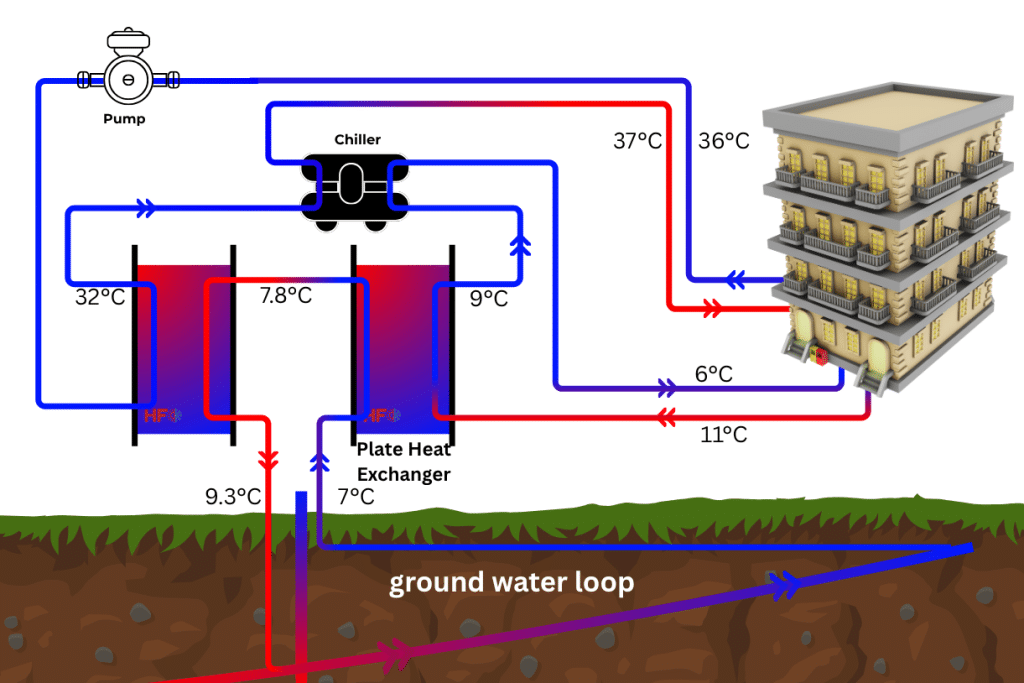
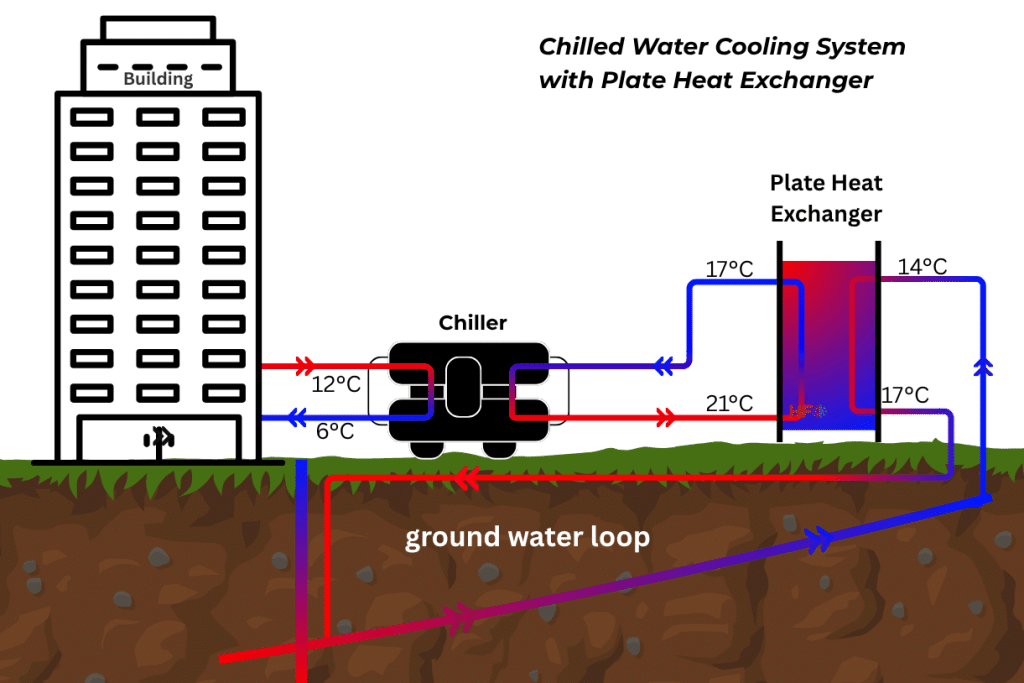
| HVAC energy recovery system | Heating/cooling load calculation and heat exchanger selection | Temperature approach, pressure drop, pump head, seasonal load variation, maintenance access |
| Food & beverage heating/cooling | Hygienic process design and thermal control | Cleanability, product viscosity, fouling behavior, temperature sensitivity, gasket compatibility |
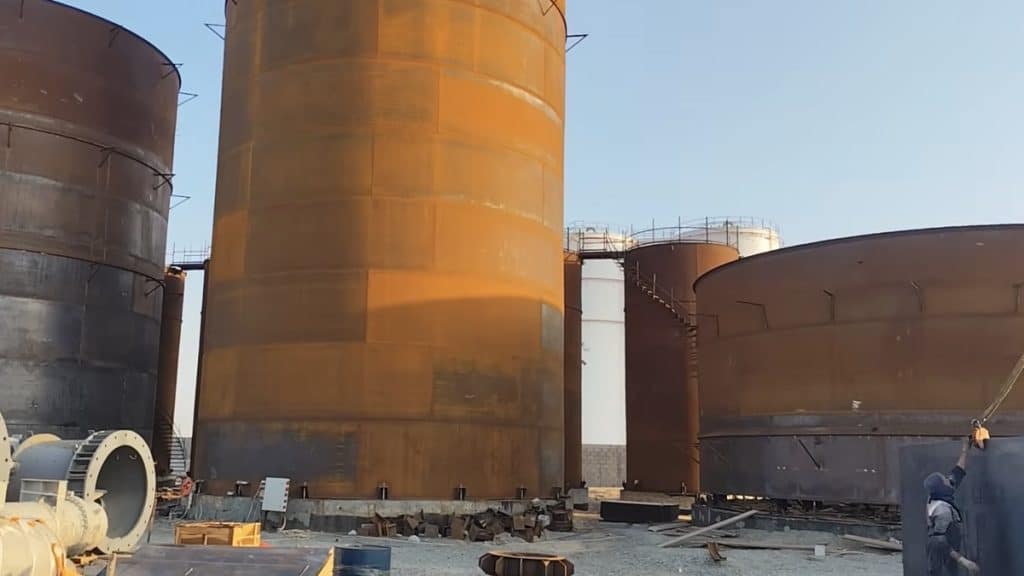
| Pressure vessel or storage tank project | Static equipment design and code review | ASME Section VIII, API 650/API 620, design pressure, design temperature, corrosion allowance, inspection plan |
| Modular skid package | 3D layout, piping design, equipment integration, procurement coordination | Plot limits, lifting access, nozzle orientation, valve access, instrument location, shipping envelope |
| Retrofit or plant upgrade | Existing data validation and tie-in engineering | As-built drawings, real operating data, available utilities, shutdown window, vendor compatibility |
Practical Project Details Competitor Blogs Usually Miss
1. Design Basis Must Include Real Operating Cases
A single “normal case” is rarely enough. Industrial plants operate at turndown, peak capacity, seasonal conditions, partial fouling, changed feed composition, and utility limitations. Process simulation should test these cases before equipment is purchased. For simulation-driven projects, ASPEN HYSYS and ASPEN Plus process simulation can help validate heat and material balance, phase behavior, compressor loads, exchanger duties, and utility demand.
2. Fouling Allowance Is a Commercial and Technical Decision
Fouling allowance affects heat transfer area, pressure drop, cleaning frequency, energy consumption, and purchase cost. Too little allowance creates operating risk. Too much allowance can oversize the exchanger and increase capital cost. For gasketed plate heat exchanger selection, fouling behavior also affects plate pattern, velocity, gasket choice, cleaning method, and spare plate strategy.
3. Pressure Drop Limits Should Be Defined Early
Allowable pressure drop is not only a heat exchanger issue. It affects pump selection, compressor performance, utility consumption, control valve authority, and future expansion margin. If the pressure drop limit is not defined in the RFQ, vendors may offer smaller and cheaper equipment that meets duty on paper but creates operating cost or hydraulic problems later.
4. Material Selection Must Match Fluids and Cleaning Chemicals
Material selection should consider process fluid, chloride level, pH, temperature, oxygen content, cleaning chemicals, erosion risk, corrosion allowance, and industry standards. Stainless steel, titanium, duplex stainless steel, Hastelloy, carbon steel, and coated materials may all be valid in different services. The wrong material may look cheaper during procurement but become expensive during operation.
Common Mistakes to Avoid
The most common mistake in industrial process design is buying equipment before the process basis, operating cases, pressure drop limits, material requirements, and vendor datasheets are technically reviewed.
- Using estimated flow rates without confirming the heat and material balance.
- Selecting a heat exchanger only by price instead of thermal duty, pressure drop, fouling, materials, and maintenance access.
- Ignoring start-up, shutdown, winter, summer, turndown, and future capacity cases.
- Preparing P&IDs before the control philosophy and equipment interfaces are clear.
- Not checking nozzle loads, piping flexibility, thermal expansion, and support loads.
- Allowing vendors to quote different assumptions, making technical comparison impossible.
- Skipping vendor document review after purchase order placement.
What to Check Before Selecting, Designing, or Purchasing Equipment
Before issuing an RFQ for heat exchangers, pressure vessels, storage tanks, skids, pumps, or packaged systems, the project team should check the following items.
- Process basis: fluid name, composition, density, viscosity, specific heat, thermal conductivity, vapor fraction, solids content, and fouling tendency.
- Operating cases: minimum, normal, maximum, summer, winter, clean, fouled, start-up, shutdown, and upset conditions.
- Thermal duty: heat load, inlet and outlet temperatures, temperature approach, LMTD, utility conditions, and energy recovery potential.
- Mechanical conditions: design pressure, design temperature, corrosion allowance, material class, flange rating, testing requirement, and code basis.
- Layout and maintenance: bundle pull space, plate removal clearance, lifting access, valve access, drain/vent points, and cleaning method.
- Procurement requirements: datasheet format, TBE criteria, inspection and test plan, certificates, spare parts, delivery schedule, and document submission list.
Recommended Engineering Workflow
A practical engineering workflow reduces rework because each step builds on verified input. For industrial heat exchanger solutions and process packages, the workflow can be structured as follows:
- Collect project inputs: process description, site data, utilities, operating philosophy, battery limits, and client requirements.
- Prepare the design basis: define fluids, operating cases, safety margins, standards, assumptions, and exclusions.
- Develop simulation and heat balance: use ASPEN HYSYS, ASPEN Plus, or equivalent calculations where required.
- Prepare PFDs and smart P&IDs: define equipment, control loops, tie-ins, safety devices, valves, instruments, and line information. See PFD and smart P&ID engineering services.
- Perform equipment sizing and rating: review heat exchanger selection, HTRI heat exchanger design, pressure vessel sizing, storage tank requirements, and utility loads.
- Coordinate mechanical design: check ASME Section VIII pressure vessel design, API 650 storage tank design, PV Elite calculations, nozzle loads, and material specifications through static equipment design.
- Check piping and layout: review pipe sizes, routing, supports, stress analysis, and CAESAR II requirements through piping design and stress analysis.
- Prepare procurement package: issue datasheets, RFQs, technical specifications, vendor document requirements, and technical bid evaluation criteria. See procurement engineering support.
- Review vendor documents: confirm drawings, calculations, materials, inspection documents, hydrotest requirements, certificates, and deviations before fabrication proceeds.
Where Heat Exchanger Engineering Fits in Process Design
Heat exchangers often sit at the center of process performance. A small design error can affect temperature control, product quality, energy consumption, pressure drop, plant capacity, and maintenance frequency. For this reason, heat exchanger design should be connected to the full process model rather than treated as an isolated purchase item.
For gasketed plate heat exchangers, project teams should check plate material, gasket compatibility, port velocity, port pressure drop, number of passes, frame size, allowable tightening dimension, spare plate availability, and cleaning method. For shell and tube heat exchanger design, teams should check tube material, shell configuration, baffle spacing, vibration risk, bundle removal, tube-side velocity, fouling factor, pressure drop, and mechanical code requirements.
Heating Formula supports gasketed plate heat exchanger selection, shell and tube heat exchanger selection, thermal design, rating review, and OEM-compatible GPHE spare parts for industrial maintenance and replacement projects.
Procurement Risks: Why Technical Bid Evaluation Matters
Procurement engineers typically compare vendors on price, delivery, scope, exclusions, and technical compliance. The lowest price is not always the lowest lifecycle cost. A cheaper exchanger may have higher pressure drop, lower material grade, limited maintenance access, less thermal margin, missing documentation, or poor spare parts availability.
A proper technical bid evaluation should compare all vendors against the same design basis. It should identify deviations in duty, pressure drop, materials, code compliance, inspection scope, painting, testing, flange ratings, gasket type, spare parts, delivery time, and warranty exclusions. Vendor document review after order placement is equally important because fabrication drawings may reveal assumptions that were not visible in the commercial offer.
FAQ
What is the first document needed for process design?
The first key document is the design basis. It defines process conditions, operating cases, fluids, utilities, codes, assumptions, battery limits, and project requirements. Without it, equipment sizing and procurement decisions become risky.
When should ASPEN HYSYS or ASPEN Plus be used?
ASPEN HYSYS or ASPEN Plus should be considered when the project involves complex fluids, phase changes, heat and material balance, distillation, compression, reaction systems, utility optimization, or multiple operating cases that cannot be safely handled by simple manual calculations alone.
What is HTRI heat exchanger design used for?
HTRI heat exchanger design is commonly used for thermal rating and design of shell and tube heat exchangers and other exchanger types. It helps evaluate heat duty, pressure drop, geometry, fouling, velocity, and thermal performance under defined process conditions.
Why is pressure drop important in heat exchanger selection?
Pressure drop affects pump head, compressor power, control stability, operating cost, and plant capacity. A heat exchanger that meets temperature duty but exceeds allowable pressure drop can still be unsuitable for the project.
What should procurement check before buying industrial equipment?
Procurement should check datasheets, design codes, materials, pressure rating, inspection requirements, vendor deviations, delivery schedule, spare parts, documentation, testing scope, and lifecycle cost. Technical procurement support helps prevent buying equipment that is commercially attractive but technically weak.
How does piping stress analysis affect process equipment?
Piping stress analysis checks whether piping loads, thermal expansion, supports, and nozzle forces are acceptable. Excessive loads can damage equipment nozzles, cause leakage, create vibration problems, or require field modifications.
Is process design only required for new plants?
No. Process design is also important for plant upgrades, equipment replacement, energy recovery, debottlenecking, capacity expansion, utility optimization, and retrofit projects where existing data must be checked against real operating conditions.
About Heating Formula
Heating Formula is an Istanbul-based engineering and industrial heat exchanger solutions provider serving Oil & Gas, HVAC, petrochemical, food & beverage, pharmaceutical, power generation, marine, mining, steel, ethanol, and paper mill applications.
The company supports clients with process design and engineering consultancy, heat exchanger engineering, process simulation, static equipment design, piping design, 3D modular skid design, procurement support, and OEM-compatible gasketed plate heat exchanger solutions.
Conclusion
A successful industrial project starts with a verified process basis, not with a rushed equipment purchase. Before design or procurement begins, check the operating cases, thermal duty, pressure drop, materials, codes, vendor requirements, maintenance access, and real plant constraints.
For industrial teams planning heat exchangers, process packages, pressure vessels, storage tanks, piping systems, or modular skids, early engineering review can reduce rework, improve reliability, and make procurement decisions easier to defend technically.
Heating Formula can support your project with process engineering services, heat exchanger selection and rating, ASPEN HYSYS and ASPEN Plus simulation, HTRI thermal design, PV Elite pressure vessel calculations, CAESAR II piping analysis, vendor document review, and practical technical procurement support.
Further Reading
- ASME BPVC Section VIII pressure vessel design information: https://www.asme.org/codes-standards/find-codes-standards/bpvc-viii-1-bpvc-section-viii-rules-construction-pressure-vessels-division-1
- API Standard 650 welded tanks for oil storage: https://www.api.org/products-and-services/standards/important-standards-announcements/standard650
- OSHA Process Safety Management overview: https://www.osha.gov/process-safety-management
- U.S. Department of Energy waste heat recovery basics: https://www.energy.gov/cmei/ito/waste-heat-recovery-basics