Storage Tank Design: What Industrial Plants Should Check Before Buying or Building Tanks
Storage tank design is not only about capacity. Industrial plants must check the stored fluid, design code, pressure, temperature, corrosion risk, foundation, nozzles, vents, inspection requirements, and operating conditions before buying or building a tank.
Storage tanks look simple from the outside, but in industrial projects they can become a major source of safety risk, procurement delay, leakage, contamination, product loss, and maintenance cost. A tank that is selected only by volume and price may fail to match the real process, site conditions, inspection requirements, or applicable design code.
For Oil & Gas facilities, petrochemical plants, food and beverage factories, power generation sites, chemical storage terminals, mining operations, steel plants, water treatment systems, and process utilities, storage tanks must be treated as engineered static equipment. The correct decision depends on the stored product, tank type, design pressure, temperature, corrosion allowance, roof type, nozzle arrangement, foundation, venting, inspection plan, and procurement documents.
This article explains what industrial project teams should check before purchasing, fabricating, or building a storage tank. It is written for process engineers, mechanical engineers, EPC contractors, procurement engineers, plant managers, maintenance teams, and project owners who need practical engineering control before committing budget.
Simple Definition: What Is Storage Tank Design?
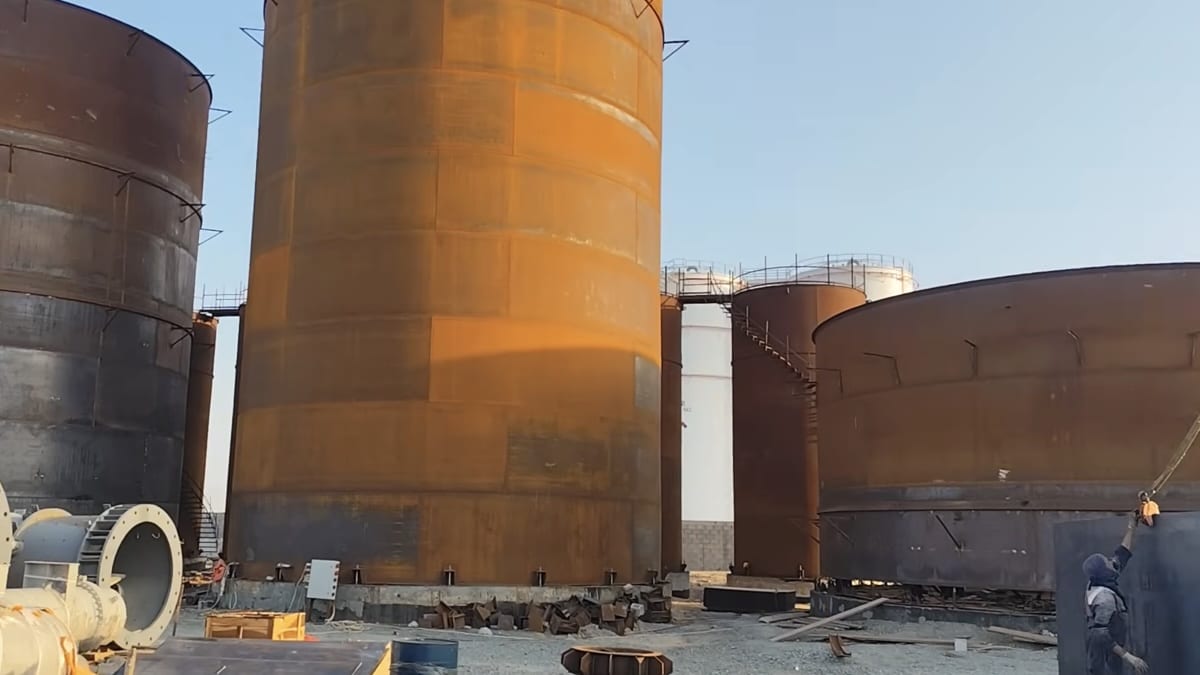
Storage tank design is the engineering process used to define, size, specify, and verify a tank for safe and reliable storage of liquids, chemicals, hydrocarbons, water, fuels, process fluids, or bulk materials. It includes tank capacity, geometry, materials, roof type, bottom design, shell thickness, nozzles, manways, vents, supports, foundation, corrosion protection, insulation, access platforms, and inspection requirements.
In industrial projects, storage tank design is connected to process design, static equipment engineering, piping layout, safety systems, procurement engineering, vendor document review, and site construction. A tank is not just a container; it is part of a process system.
Quick Answer: What Should Industrial Plants Check First?
Before buying or building a storage tank, check the stored fluid, required capacity, operating temperature, operating pressure, design code, material compatibility, corrosion allowance, venting, foundation, nozzle loads, inspection documents, and maintenance access.
The most important early decision is the design basis. A good design basis defines the product to be stored, minimum and maximum operating conditions, filling and emptying rates, specific gravity, vapor pressure, corrosion risk, site wind and seismic conditions, fire protection philosophy, applicable standard, and project battery limits.
For large atmospheric tanks, API 650 is commonly used. For low-pressure storage tanks, API 620 may be considered. For pressure vessels or pressurized storage equipment, ASME Section VIII may apply. The correct code must be selected before quotation because it affects thickness, welding, testing, inspection, documentation, and cost.
Why Storage Tank Design Matters in Industrial Projects
A storage tank can affect the whole plant. If the capacity is too small, production may stop during feed shortage, truck loading delay, utility interruption, or process upset. If the tank is oversized without reason, capital cost, foundation cost, heating load, insulation cost, and plot space increase. If the material is wrong, corrosion may reduce service life or contaminate the stored product.
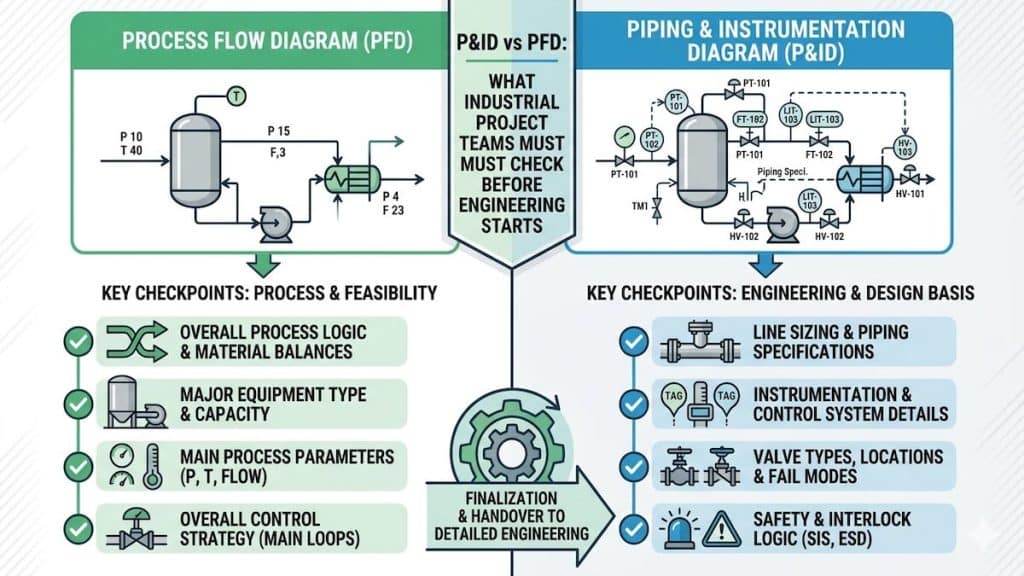
Experienced project teams normally evaluate storage tanks together with the process design, PFDs, P&IDs, piping design, instrumentation, fire protection, access, and procurement strategy. Heating Formula supports this type of project through engineering design and consultancy services, including process engineering, static equipment design, piping analysis, 3D layout, and procurement engineering support.
Storage Tank Types: Which One Fits the Project?
| Tank Type | Typical Use | Main Engineering Checks |
|---|---|---|
| Atmospheric storage tank | Water, diesel, crude oil, chemicals, process liquids | API 650, capacity, shell thickness, bottom design, vents, foundation, corrosion allowance |
| Low-pressure storage tank | Fluids with low vapor pressure or controlled vapor space | API 620, design pressure, roof design, venting, relief, welding, testing |
| Pressure vessel / pressurized tank | LPG, compressed gases, pressurized process fluids | ASME Section VIII, design pressure, thickness, supports, relief devices, inspection |
| Stainless steel process tank | Food, beverage, pharmaceutical, water treatment, chemicals | Material grade, hygiene, surface finish, cleanability, nozzles, agitation, insulation |
| API storage tank with floating roof | Hydrocarbon storage with vapor loss control | Seal system, roof drainage, emissions, fire protection, shell design, maintenance access |
| Shop-fabricated tank | Small to medium process or utility storage | Transport limits, lifting lugs, nozzle orientation, skid integration, testing |
Best Choice by Industry or Project Type
| Industry / Project | Common Tank Requirement | What to Check Before Buying |
|---|---|---|
| Oil & Gas facility | Crude oil, diesel, condensate, produced water, chemical injection storage | API code, fire protection, venting, hazardous area, corrosion, inspection, tank farm layout |
| Petrochemical plant | Chemicals, solvents, intermediate products | Material compatibility, vapor pressure, nitrogen blanketing, containment, nozzle design |
| Food & beverage plant | Water, syrup, oil, process liquids, CIP fluids | Stainless steel grade, hygiene, drainability, cleaning, product contamination risk |
| Power generation | Fuel oil, demineralized water, chemical dosing tanks | Reliability, level control, heating coils, insulation, maintenance access |
| Mining and minerals | Slurries, process water, reagents, acids | Abrasion, corrosion, lining, agitation, solids settling, access for cleaning |
| Modular skid package | Small process or utility tanks integrated with piping and instruments | 3D layout, nozzle orientation, lifting, transport, access, vendor interface |
Technical Background: The Tank Design Basis
Before the tank supplier receives an RFQ, the project team should prepare a tank design basis or datasheet. This document should define the tank service, stored fluid, density, viscosity, vapor pressure, flash point where relevant, operating temperature, design temperature, operating pressure, design pressure, working volume, total volume, filling rate, emptying rate, site conditions, material requirements, corrosion allowance, insulation, heating or cooling requirements, and design standard.
The design basis should also describe how the tank connects to the rest of the plant. This includes inlet and outlet lines, overflow, drain, vent, manway, level instruments, temperature instruments, pressure/vacuum protection, sampling points, recirculation lines, mixers, heating coils, internal piping, and emergency drainage where required.
Heating Formula supports upstream engineering work such as process design and simulation, PFD and smart P&ID engineering, and static equipment design. These inputs help prevent procurement mistakes before the tank is quoted or fabricated.
API 650, API 620, and ASME Section VIII: Which Code Applies?
One of the most important storage tank design decisions is the applicable standard. The design code affects calculation method, plate thickness, welding, inspection, testing, documentation, and fabrication cost.
| Standard | Common Application | Practical Comment |
|---|---|---|
| API 650 | Welded atmospheric storage tanks | Often used for large aboveground tanks storing petroleum, water, chemicals, and industrial liquids at near-atmospheric pressure. |
| API 620 | Large welded low-pressure storage tanks | Used when the tank operates above atmospheric pressure but below pressure vessel territory, depending on service and project requirements. |
| ASME Section VIII | Pressure vessels and pressurized storage equipment | Used when the equipment is designed as a pressure vessel with defined pressure boundary requirements. |
Industry practice is to confirm the applicable standard early. Changing from a simple atmospheric tank to a low-pressure or pressure vessel design after quotation can significantly change cost, delivery time, fabrication documents, inspection scope, and supplier eligibility.
Practical Engineering Tips Before Tank Procurement
1. Do Not Select the Tank by Volume Only
Tank capacity is only one part of the decision. Engineers should define working volume, net capacity, freeboard, pump minimum level, high-high level, overflow arrangement, dead volume, residence time, operational buffer, and future expansion margin. A tank with the same nominal volume can perform very differently depending on nozzle position, operating level, and control philosophy.
2. Confirm the Stored Fluid and Its Behavior
The stored product controls material selection, corrosion allowance, venting, blanketing, heating, insulation, coating, lining, and cleaning method. Water, diesel, crude oil, acids, solvents, edible oils, slurries, and chemical solutions do not behave the same way. Even small changes in concentration, chloride content, pH, vapor pressure, or solids content can change the design.
3. Check Venting and Breathing Requirements
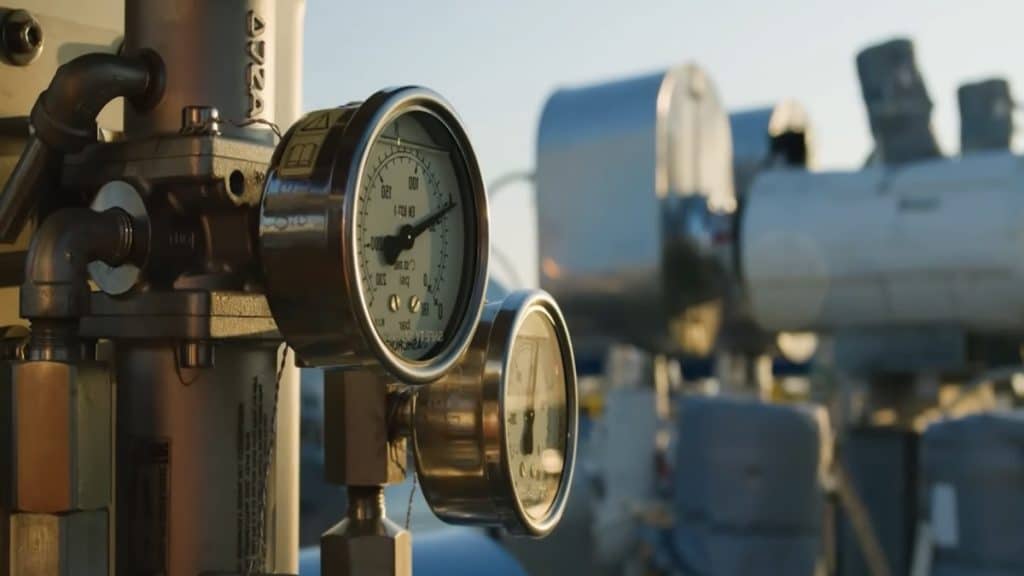
Tanks breathe during filling, emptying, temperature changes, and pressure changes. Venting must match filling rate, emptying rate, thermal breathing, vapor behavior, and emergency conditions. Undersized vents can create vacuum or overpressure. Oversimplified vent selection can also create emissions, odor, safety, or product loss issues.
4. Think About Maintenance Before Fabrication
Maintenance access should be designed, not added later. Check manway size, roof access, shell access, ladder and platform requirements, internal cleaning access, drainability, lifting points, isolation valves, and safe access around the tank. Plant managers and maintenance teams should review the layout before purchase order release.
5. Coordinate Nozzles With Piping and Instruments
Nozzle location affects piping layout, valve access, instrument accuracy, pump suction performance, tank cleaning, and site installation. If nozzle orientation is left to the vendor without a proper layout review, the project may face field rework. For larger projects, piping design and stress analysis should be coordinated with the tank datasheet and vendor drawings.
Common Storage Tank Design Mistakes
The most common storage tank mistake is purchasing a tank before confirming the design code, stored fluid properties, corrosion allowance, venting, foundation, nozzles, inspection requirements, and operating philosophy.
- Selecting a tank only by capacity and price.
- Using an incomplete fluid description without density, vapor pressure, pH, chloride content, or corrosion risk.
- Choosing the wrong design code or leaving the code unclear in the RFQ.
- Ignoring filling rate, emptying rate, and venting requirements.
- Forgetting foundation loads, settlement, wind, seismic, and site conditions.
- Not defining internal coating, lining, insulation, heating coils, or corrosion allowance.
- Allowing vendors to quote different assumptions, making technical comparison unreliable.
- Skipping vendor document review before fabrication starts.
What to Check Before Buying or Building a Storage Tank
Before issuing a purchase order, industrial project teams should verify the following items.
- Service: stored fluid, concentration, contamination risk, solids content, and cleaning method.
- Capacity: working volume, total volume, minimum operating level, high level, and future margin.
- Operating conditions: operating pressure, design pressure, operating temperature, design temperature, and ambient conditions.
- Design code: API 650, API 620, ASME Section VIII, or another project-specific requirement.
- Materials: carbon steel, stainless steel, duplex, coated steel, lined tank, or special alloy depending on fluid compatibility.
- Corrosion protection: corrosion allowance, coating, lining, cathodic protection, painting system, and inspection plan.
- Nozzles and instruments: inlet, outlet, drain, vent, overflow, manway, level transmitter, temperature element, pressure/vacuum protection, sample connection.
- Foundation and loads: tank weight, liquid weight, wind, seismic, settlement, anchor requirements, and soil bearing capacity.
- Procurement documents: datasheet, technical specification, drawing requirements, inspection and test plan, welding documents, material certificates, hydrotest requirement, and painting report.
Recommended Engineering Workflow
A structured workflow helps avoid late changes and procurement disputes. For storage tank projects, Heating Formula recommends the following engineering sequence.
- Collect process data: identify the stored fluid, volume requirement, operating conditions, flow rates, and site conditions.
- Prepare the tank design basis: define service, capacity, code, material, corrosion allowance, venting, nozzles, insulation, coating, and inspection requirements.
- Develop PFD and P&ID interfaces: confirm how the tank connects to pumps, heat exchangers, vents, drains, instruments, utility lines, and safety systems.
- Perform static equipment design review: check API 650, API 620, or ASME Section VIII requirements, shell thickness, roof type, bottom design, supports, and nozzle reinforcement.
- Coordinate piping and layout: review nozzle orientation, access, pipe routing, valve access, pump suction, platform requirements, and maintenance clearance.
- Prepare RFQ and technical procurement package: issue datasheets, specifications, drawing requirements, inspection documents, and vendor document list.
- Perform technical bid evaluation: compare vendors on code compliance, materials, thickness, inspection scope, painting, testing, documentation, exclusions, delivery, and spare parts.
- Review vendor documents before fabrication: confirm general arrangement drawings, nozzle orientation, calculations, welding procedures, NDT plan, material certificates, and test procedure.
Procurement Risks: Why the Cheapest Tank Can Become Expensive
Procurement engineers typically compare vendors by price and delivery time, but storage tanks require technical comparison. A low-price offer may exclude coating, insulation, ladders, platforms, internal heating coils, cathodic protection, NDT, hydrotesting, documentation, or proper material certification. Another vendor may include these items, making the initial price higher but the project cost lower.
A proper technical bid evaluation should compare the same design basis across all suppliers. It should identify deviations in design code, material grade, shell thickness, corrosion allowance, roof type, bottom design, nozzle schedule, inspection scope, painting system, testing, documentation, and delivery responsibility. Heating Formula supports this through procurement engineering support and vendor document review.
How Storage Tanks Connect With Heat Exchanger and Process Projects
Storage tanks often work together with heat exchangers, pumps, filters, dosing systems, process skids, and utility systems. For example, a fuel oil storage tank may require heating coils or an external heat exchanger to maintain viscosity. A process water tank may require cooling, heating, circulation, or chemical dosing. A food plant tank may require temperature control to protect product quality.
For these cases, storage tank design should be coordinated with gasketed plate heat exchanger selection, shell and tube heat exchanger design, process simulation, piping layout, and control philosophy. If the tank and heat exchanger are designed separately without interface control, the plant may suffer from poor temperature control, pump issues, pressure drop problems, or maintenance difficulty.
FAQ
What is the most important document before buying a storage tank?
The most important document is the tank datasheet or design basis. It defines the stored fluid, capacity, pressure, temperature, material, corrosion allowance, design code, nozzles, vents, inspection requirements, and project scope.
When should API 650 be used?
API 650 is commonly used for welded aboveground atmospheric storage tanks. It is often applied to large tanks for petroleum products, water, chemicals, and industrial liquids where the tank operates close to atmospheric pressure.
When is API 620 more suitable?
API 620 is typically considered for large welded low-pressure storage tanks. It may be relevant when the tank operates above atmospheric pressure but does not fall into a typical pressure vessel design case.
Is a storage tank the same as a pressure vessel?
No. A storage tank is often designed for atmospheric or low-pressure service, while a pressure vessel is designed for higher pressure containment and may require ASME Section VIII design. The correct classification depends on the operating and design pressure, fluid service, and project code requirements.
Why is venting important in storage tank design?
Venting protects the tank from overpressure and vacuum during filling, emptying, and temperature changes. Poor venting can damage the tank, create unsafe conditions, or cause product loss and emissions issues.
What should procurement check in a tank quotation?
Procurement should check design code, material, thickness, corrosion allowance, nozzles, coating, inspection scope, testing, documentation, exclusions, delivery terms, and whether the vendor followed the project datasheet exactly.
Can Heating Formula support storage tank engineering?
Yes. Heating Formula supports industrial projects with process design, static equipment design, pressure vessel design, storage tank engineering coordination, piping design, 3D layout, procurement engineering support, and vendor document review.
About Heating Formula
Heating Formula is an Istanbul-based engineering and industrial heat exchanger solutions provider serving Oil & Gas, HVAC, petrochemical, food & beverage, pharmaceutical, power generation, marine, mining, steel, ethanol, and paper mill applications.
The company supports clients with process design and engineering consultancy, heat exchanger engineering, process simulation, static equipment design, piping design, 3D modular skid design, procurement support, and OEM-compatible gasketed plate heat exchanger solutions.
Conclusion
A reliable storage tank project starts with a clear design basis, correct code selection, proper material choice, venting review, foundation coordination, vendor document control, and practical maintenance planning.
Before buying or building a tank, industrial project teams should confirm the real process conditions and not rely only on volume and price. The stored fluid, pressure, temperature, corrosion risk, nozzle layout, inspection scope, and operating philosophy all affect the final design.
Heating Formula can support your project with storage tank engineering coordination, process design, static equipment design, PFD and P&ID development, piping design and stress analysis, technical procurement support, and vendor document review.
Further Reading
- API Standard 650 welded tanks for oil storage: https://www.api.org/products-and-services/standards/important-standards-announcements/standard650
- API Standard 620 large welded low-pressure storage tanks: https://www.api.org/products-and-services/standards
- ASME BPVC Section VIII pressure vessel design: https://www.asme.org/codes-standards/find-codes-standards/bpvc-viii-1-bpvc-section-viii-rules-construction-pressure-vessels-division-1
- OSHA Process Safety Management overview: https://www.osha.gov/process-safety-management