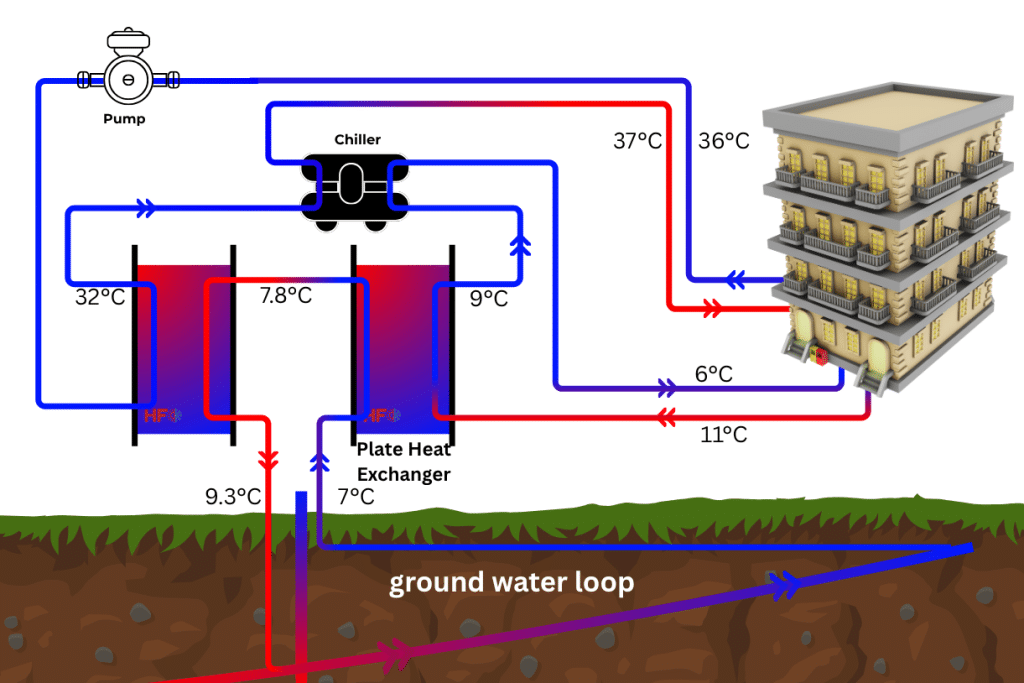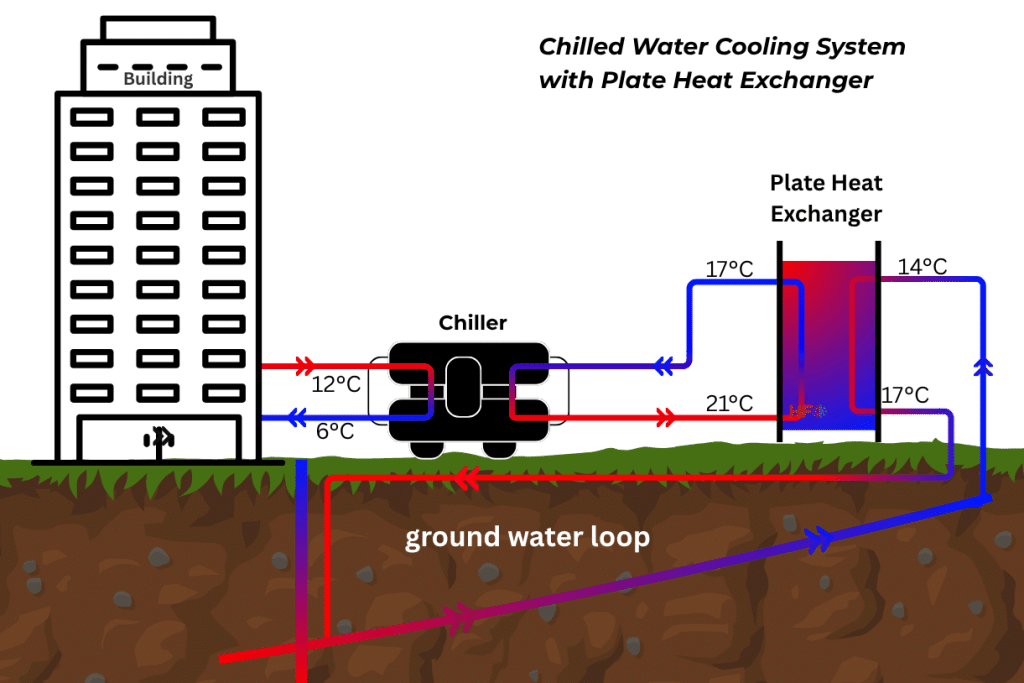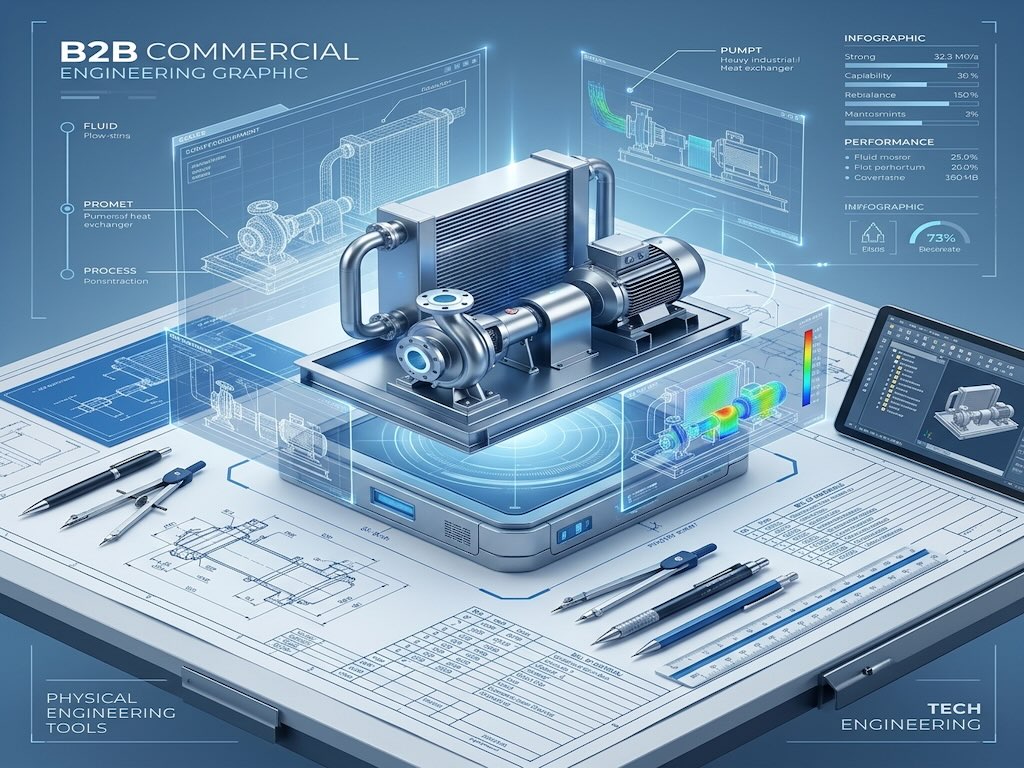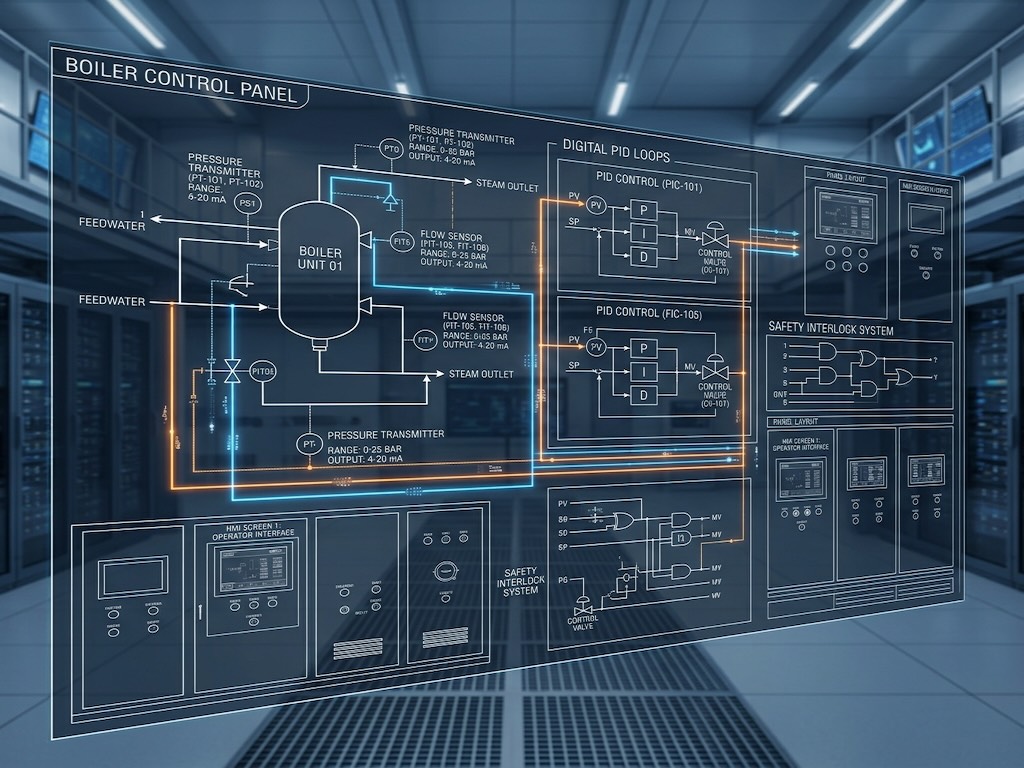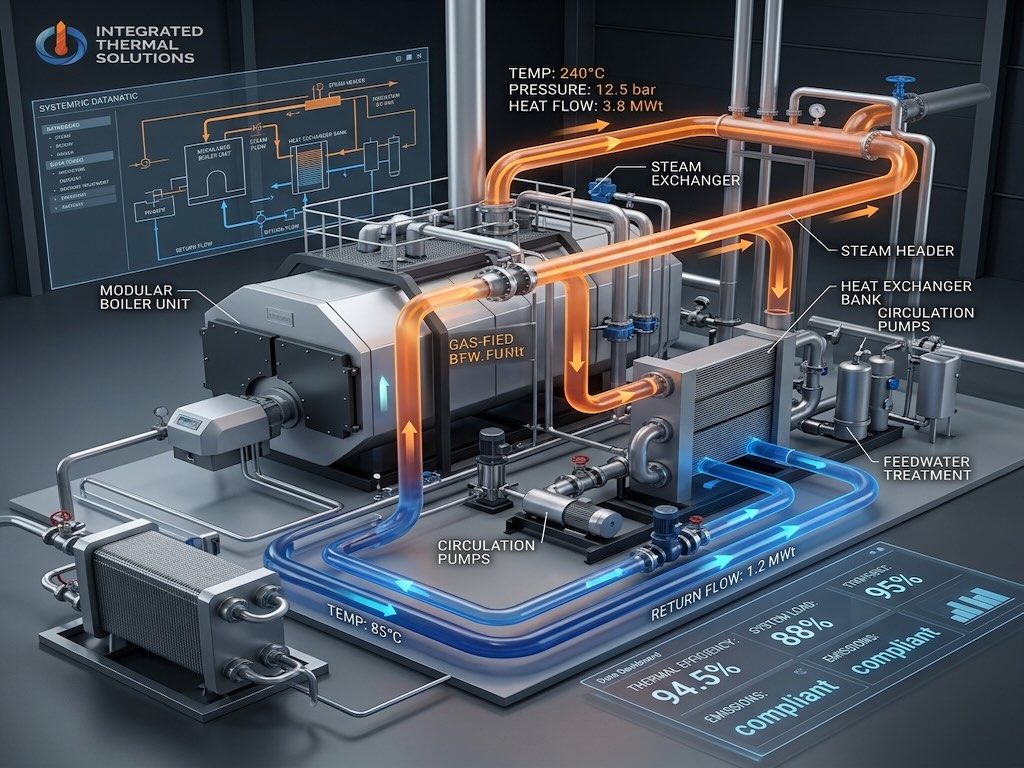

Brazed Plate Heat Exchangers: Efficiency Unleashed for Modern Systems
In the quest for compact, high-performance thermal solutions, the Brazed Plate Heat Exchanger (BPHE) has emerged as a clear winner. Eliminating the need for gaskets and heavy frames, these units are revolutionizing industries from HVAC to industrial cooling by offering superior heat transfer in a fraction of the space.
What sets a Brazed Plate Heat Exchanger apart?
Unlike traditional gasketed units that use rubber seals and steel bolts, a BPHE consists of stainless steel plates permanently joined together using a vacuum brazing process (typically with copper or nickel). This creates an exceptionally strong, sealed unit that can withstand high pressures and temperatures without the risk of gasket leakage.
Did you know? A Brazed Plate Heat Exchanger is typically 85-90% smaller and lighter than a shell-and-tube exchanger of the same capacity, drastically reducing installation costs and floor space requirements.
5 Key Advantages of Switching to BPHEs
- ✓ Extreme Compactness: Ideal for skid-mounted systems, heat pumps, and tight machinery spaces.
- ✓ Higher Operating Limits: capable of handling pressures up to 30-40 bar and temperatures up to 225°C (depending on the model).
- ✓ Leak-Proof Reliability: No gaskets means no risk of rubber degradation or seal failure over time.
- ✓ Cost-Effective: Lower material content and manufacturing complexity often result in a lower initial purchase price.
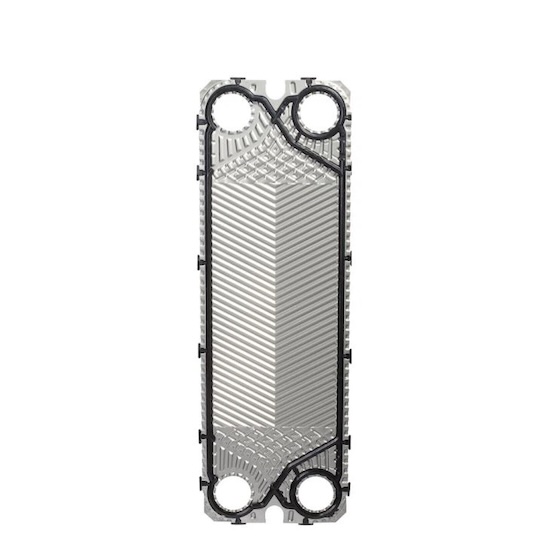
- ✓ High Efficiency: Corrugated plates create turbulent flow, ensuring maximum heat transfer with minimal fouling.
Battle of the Exchangers: Brazed (BPHE) vs. Gasketed (GPHE)
Choosing between a brazed and a gasketed unit comes down to your specific application needs. Here is a quick comparison:
| Feature | Brazed (BPHE) | Gasketed (GPHE) |
|---|---|---|
| Sealing Method | Copper/Nickel Brazing | Rubber Gaskets |
| Maintenance | Cleaning In Place (CIP) only | Can be opened & manually cleaned |
| Expandability | Fixed capacity | Can add/remove plates |
| Pressure Rating | High (up to 45 bar) | Moderate (up to 25 bar) |
| Footprint | Ultra-Compact | Compact |
Where are BPHEs the Standard?
Because of their rugged, compact nature, Brazed Plate Heat Exchangers effectively dominate several sectors:
1. HVAC & Heat Pumps
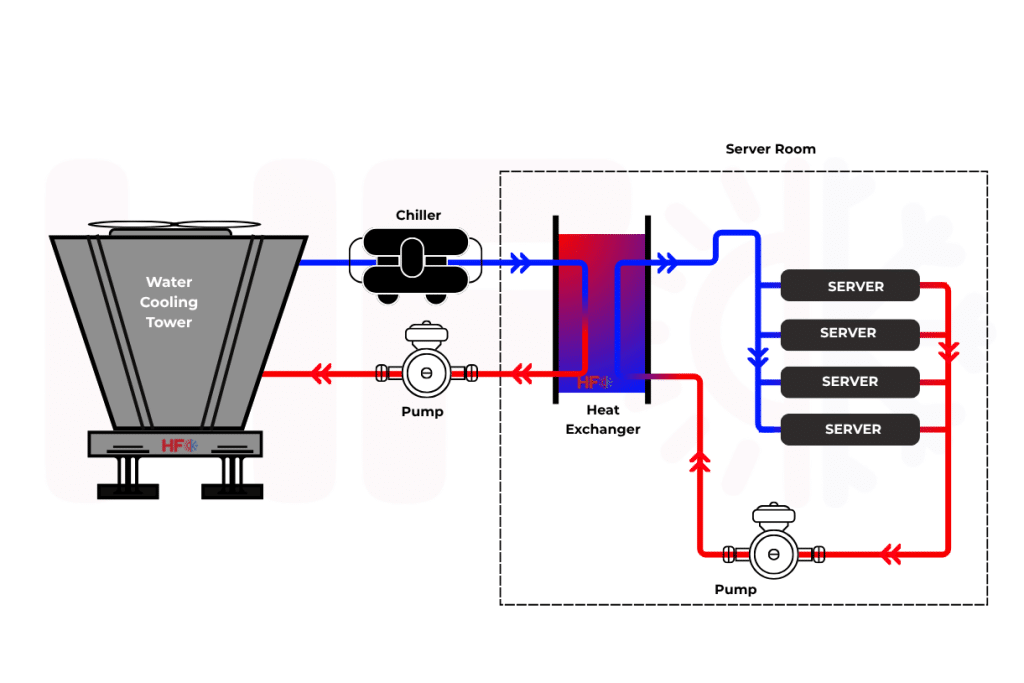
Modern heat pumps and chillers rely almost exclusively on BPHEs for evaporators and condensers. Their ability to work with high-pressure refrigerants (like R410A or CO2) makes them the perfect fit.
2. Industrial Oil Cooling
Hydraulic presses and engines use BPHEs to cool lubricating oil using water. The copper brazing is compatible with oil, and the unit withstands the vibrations and pressure spikes common in hydraulic systems.
3. District Heating Substations
To transfer heat from a district heating network to a residential building, a unit must be safe, small, and maintenance-free. BPHEs fit this description perfectly.
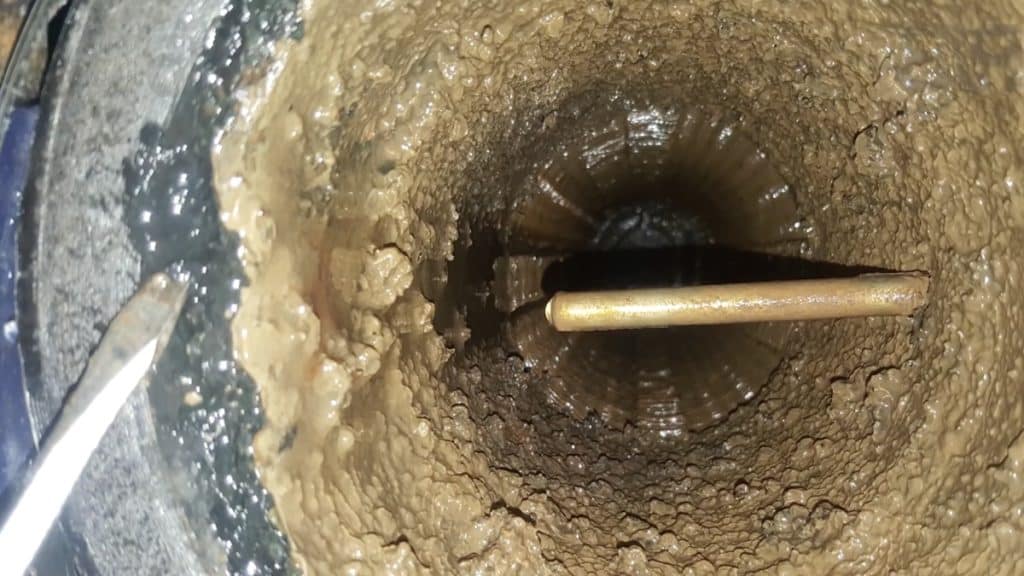
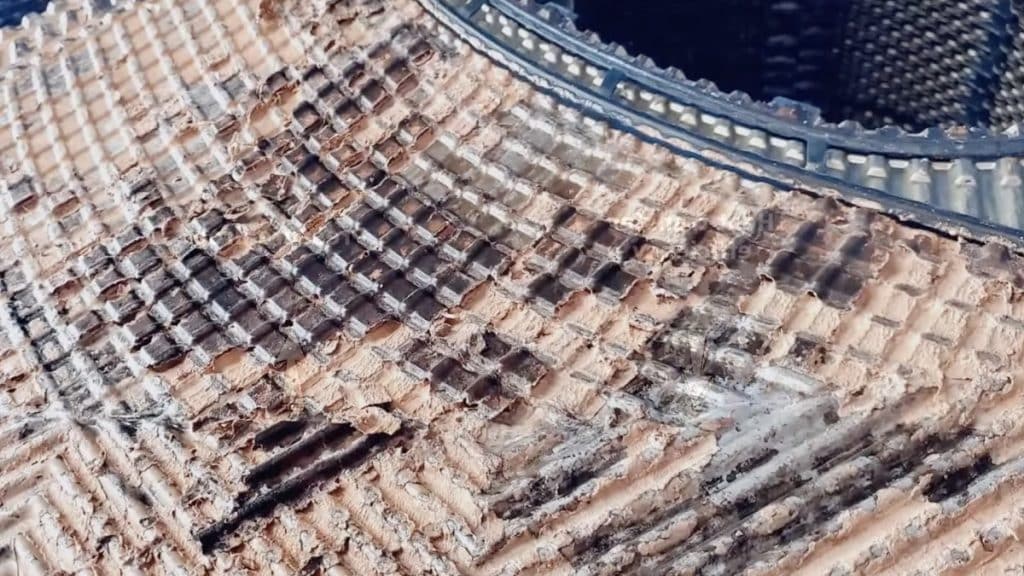
Maintenance Reality: Since you cannot open a BPHE for mechanical cleaning, filtration is mandatory. Always install a strainer (60-100 mesh) at the inlet to prevent debris from clogging the narrow channels.
Frequently Asked Questions (FAQ)
Q1: Can I repair a leaking brazed heat exchanger?
A1: Generally, no. Because the unit is a solid, brazed block, internal leaks cannot be repaired. If a BPHE fails, it must be replaced. This is why proper sizing and maintenance (strainers) are critical.
Q2: How do I clean my brazed heat exchanger?
A2: Cleaing is done via CIP (Cleaning In Place). You circulate a cleaning solution (acid or alkali depending on the fouling) through the unit in reverse flow to dissolve deposits.
Q3: Is copper brazing safe for all fluids?
A3: No. Copper is not compatible with ammonia or deionized water (which can be aggressive to copper). For these applications, you must choose a Nickel-brazed unit or a stainless steel fusion-bonded unit.