
HVAC Efficiency: Optimizing Systems with Modern Heat Exchangers
In modern architecture, the HVAC system is often the single largest consumer of energy, accounting for up to 40% of building operating costs. The hidden hero (or villain) of this consumption? The Heat Exchanger.
Where Do Heat Exchangers Fit In?
They are the critical thermal interface in three key areas:
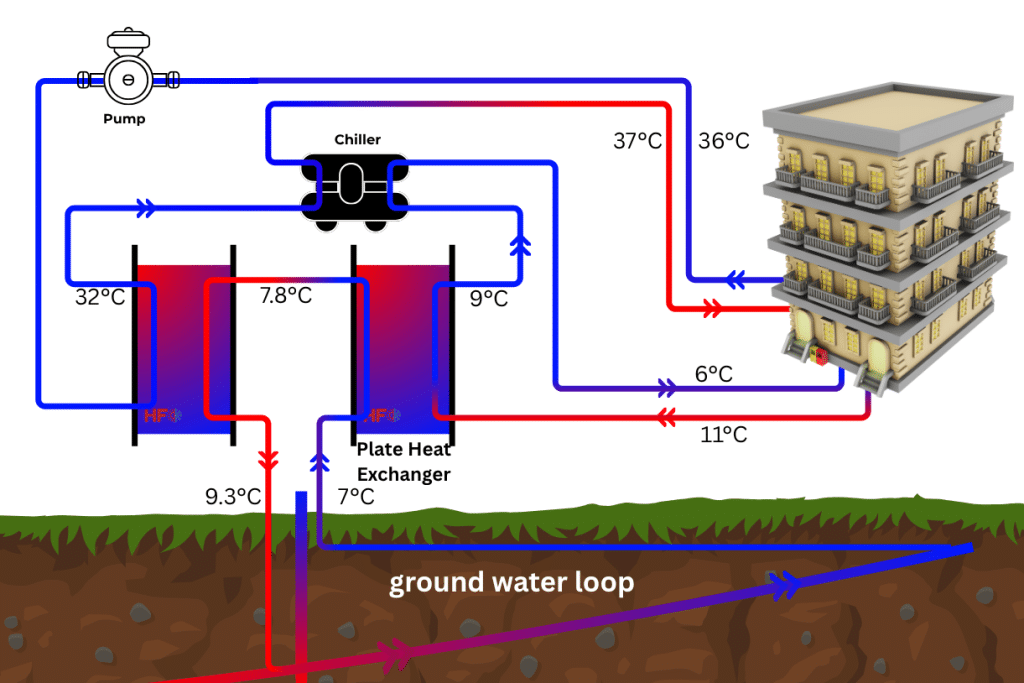
- District Cooling Substations: Isolating the high-pressure street network from the low-pressure building side.
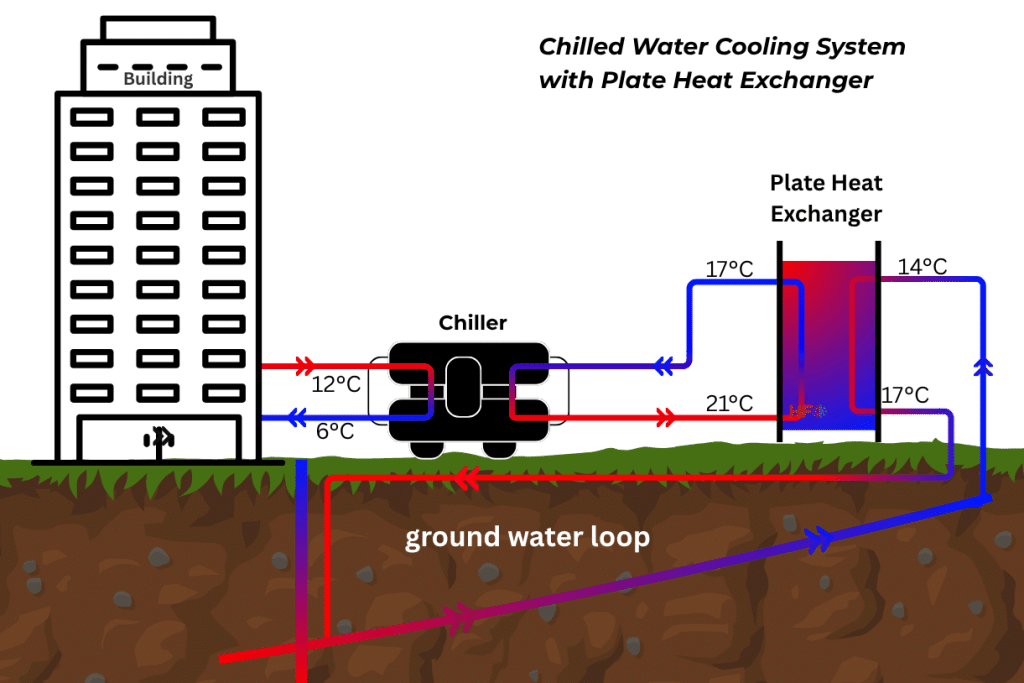
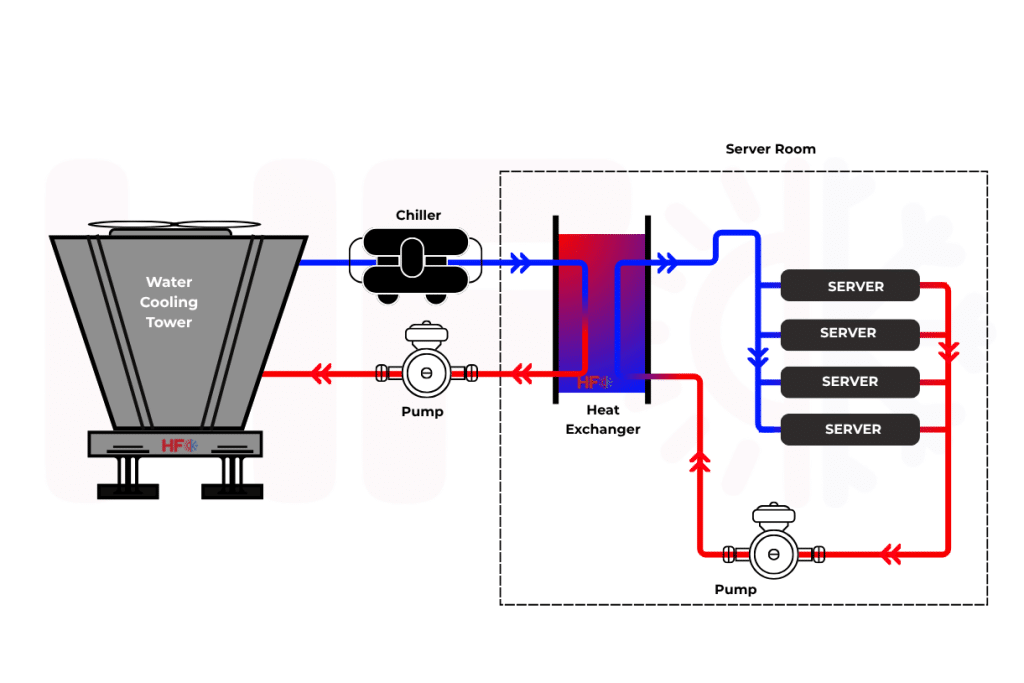
- Chillers: Acting as evaporators and condensers to produce chilled water.
- Free Cooling: Using cold outside air or water to cool the building loop without running the compressors.
The “Approach Temperature” Secret
Efficiency is all about “Approach Temperature”—the difference between the cooling water leaving the exchanger and the chilled water entering it.
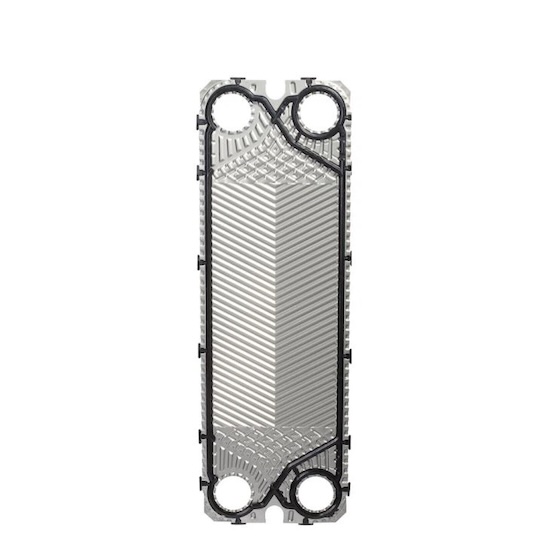
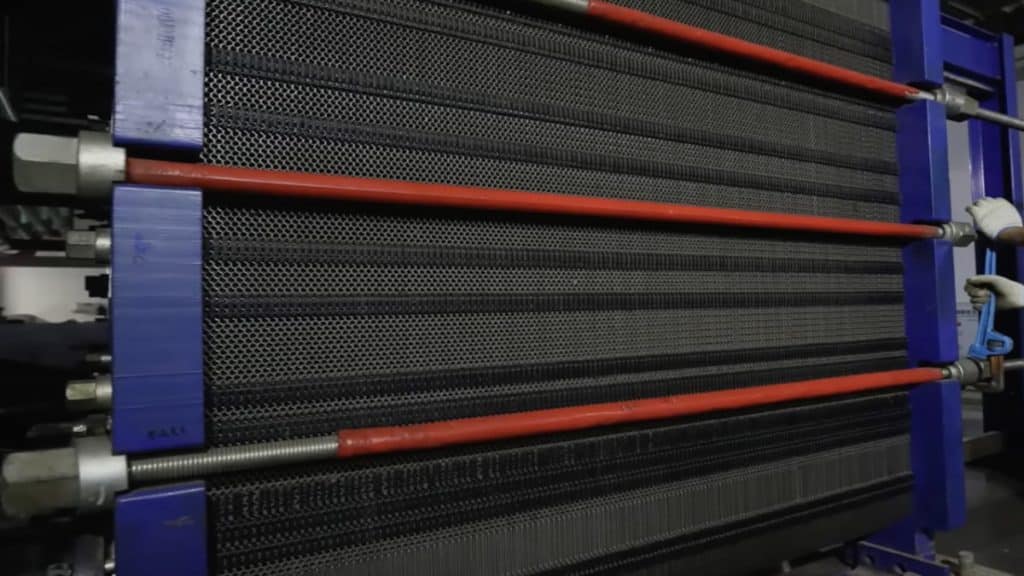
The 1°C Advantage: Old Shell & Tube units often had a 5°C approach. Modern Gasketed Plate Heat Exchangers can achieve a 1°C approach. This means you can run your “Free Cooling” cycle for many more hours per year, potentially saving 20-30% on annual chiller costs.
District Cooling & Pressure Breakers
In skyscrapers and large campuses, Plate Heat Exchangers act as “Pressure Breakers.” They allow the District Cooling plant to pump water at high pressure (25 bar) miles away, while the building circulates water at a safe, low pressure.
Using a highly efficient PHE here ensures that the 5°C water from the plant enters your building loop at 6°C or less, preserving the value of the purchased cooling energy.
Why Brazed Plates are Taking Over Chillers
If you look at modern chillers (Trane, Carrier, York), you will see fewer Shell & Tube evaporators and more Brazed Plate Heat Exchangers (BPHE). Why?
- ✓ Lower Refrigerant Charge: BPHEs hold very little volume, critical for meeting low-GWP environmental goals.
- ✓ Compact Skid: Reduces the overall footprint of the chiller.
Maintenance = ROI
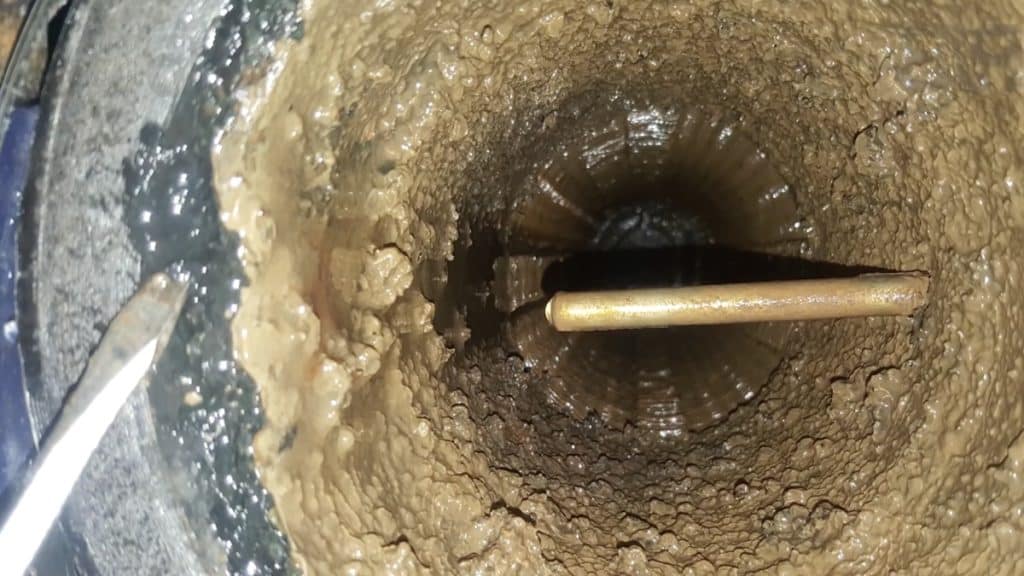
A neglected heat exchanger destroys your COP (Coefficient of Performance). Even a thin layer of scale acts as an insulator.
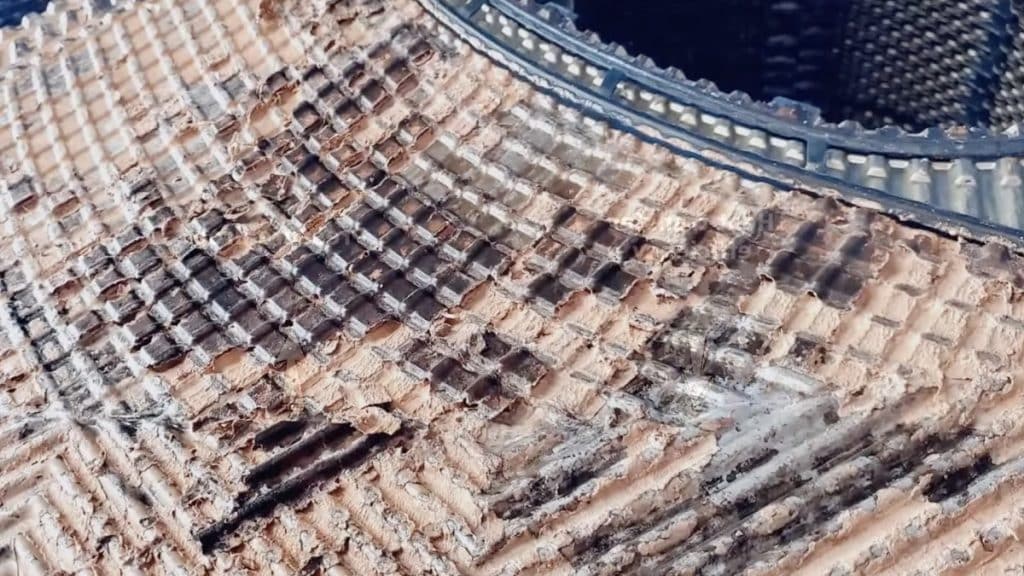
The Scale Tax: Just 1mm of calcium scale on your heat transfer surface can reduce efficiency by 10-15%. This forces your pumps and compressors to work harder to achieve the same cooling effect.
Frequently Asked Questions (FAQ)
Q1: What is Free Cooling?
A1: It is using a heat exchanger to bypass the chiller when the outside air/water is cold enough. The only energy used is for the pumps and fans.
Q2: How does a heat exchanger affect COP?
A2: By keeping the condensing temperature low and the evaporating temperature high (minimizing the split), the compressor does less work, significantly boosting the System COP.
Q3: Are AHRI certified exchangers important?
A3: Yes. ARHI certification (Standard 400) guarantees that the heat exchanger will actually perform to its thermal specifications. Without it, you might be buying a unit that “cheats” on surface area.