
Process Design & Engineering: The Data-Driven Blueprint for Oil & Gas Success
In the complex high-stakes world of the Oil & Gas industry, profitability does not begin at extraction—it begins at design. The difference between a marginal asset and a high-performing facility often lies in the precision of its initial Process Design & Engineering.
Modern process engineering is no longer just about connecting pipes and vessels. It is a rigorous, data-centric discipline that leverages advanced simulation, thermodynamic modeling, and precision data analysis to predict system behavior before a single piece of steel is cut. By utilizing industry-leading tools like ASPEN HYSYS, ASPEN Plus, and HTRI, we deliver end-to-end solutions that optimize performance, minimize energy consumption, and ensure safety compliance from day one.
Data Analysis Insight: Studies in industrial project management show that Front-End Loading (FEL)—the practice of robust early-stage definition and engineering—can reduce project cost viability by up to 20% and reduce execution time by 10-15%. Data-driven design is the engine of this efficiency.
1. The Foundation: PFDs and Smart P&IDs
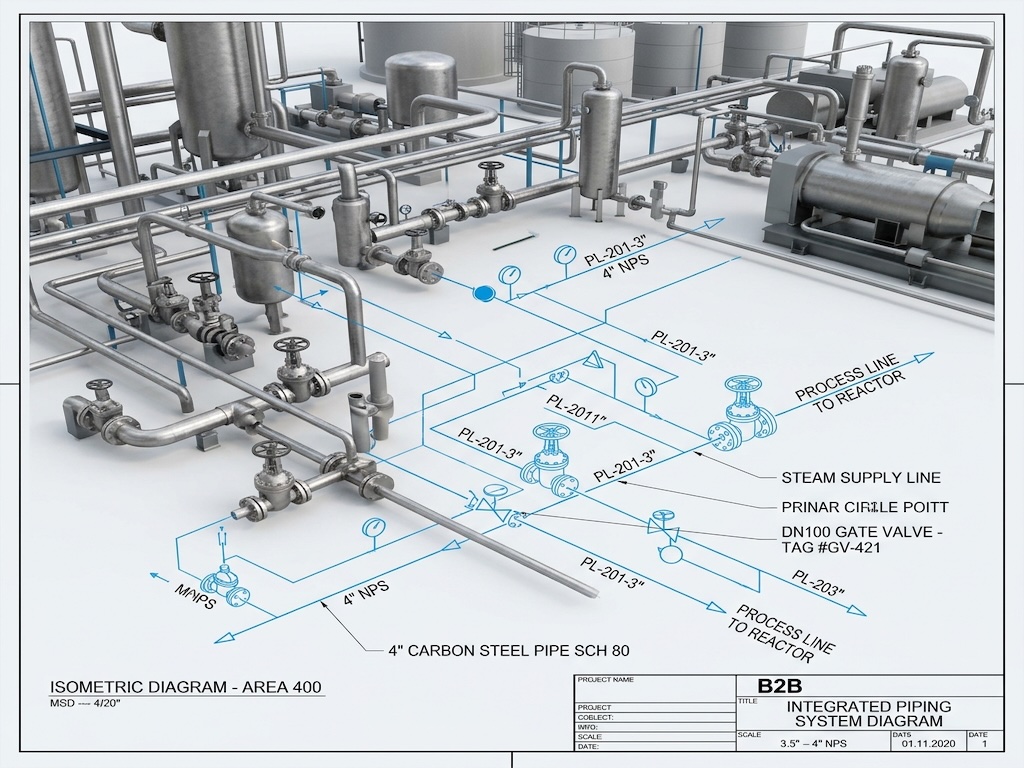
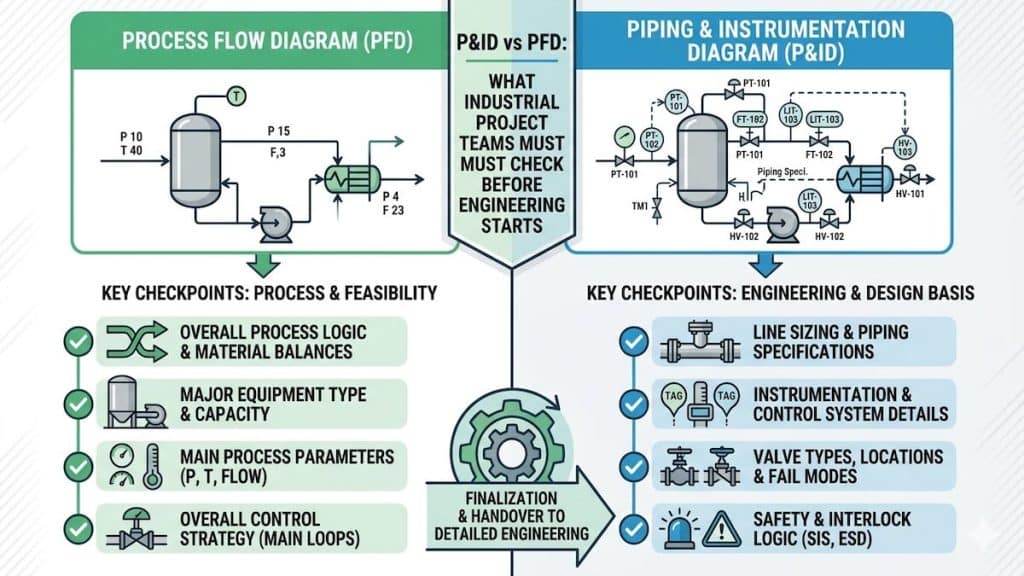
Every successful engineering project begins with a clear roadmap. In process engineering, this roadmap is defined by the Process Flow Diagram (PFD) and the Piping & Instrumentation Diagram (P&ID). However, in the era of digital transformation, static drawings are insufficient. We specialize in Smart P&IDs, which serve as intelligent databases rather than mere graphical representations.
What Makes a P&ID “Smart”?
A standard P&ID shows connection. A Smart P&ID contains metadata for every component—pipe specifications, valve pressure ratings, instrument tags, and material logic. This “data-first” approach ensures that:
- ✓ Consistency is Automated: Changes in line sizing automatically update linked datasheets, virtually eliminating human error.
- ✓ Inventory is Accurate: Bill of Materials (BOM) can be generated instantaneously, providing accurate cost estimation data early in the project.
- ✓ Lifecycle Management: The P&ID becomes a living document for the plant’s entire lifecycle, from HAZOP analyses to decommissioning.
Our team develops these foundational documents to serve as the single source of truth for your project, ensuring that Process, Mechanical, and Instrumentation disciplines are perfectly aligned.
2. Advanced Process Simulation: The Digital Proving Ground
Trial and error is not an option in Oil & Gas. This is where Advanced Process Simulation comes into play. Using powerful engines like ASPEN HYSYS and ASPEN Plus, we create a high-fidelity “Digital Twin” of your process.
Simulation enables us to perform rigorous Steady-State and Dynamic analyses to validate performance under various scenarios. This data analysis theory application is critical for:
Key Simulation Capabilities:
- Heat & Material Balance (H&MB): Calculating the precise flow rates, compositions, and thermodynamic states of every stream in the plant.
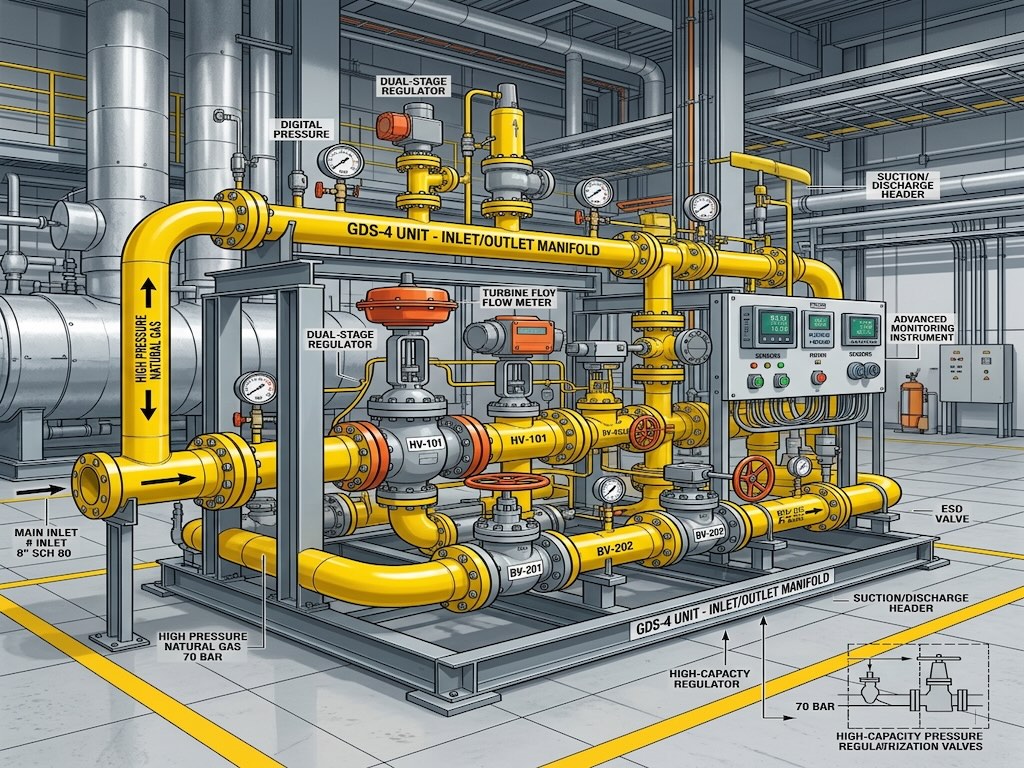
- Equipment Sizing Validation: Verifying that pumps, compressors, and separators are sized correctly for both start-up and peak load conditions, preventing costly bottlenecks.
- Relief System Design: Simulating overpressure scenarios to size flare headers and PSVs according to API 520/521 standards, ensuring verifiable safety.
By simulating “What-If” scenarios—such as feed composition changes or utility failures—we allow clients to “test drive” their facility significantly de-risking the capital investment.
3. Heat Exchanger Design: Efficiency Through Thermal Analysis
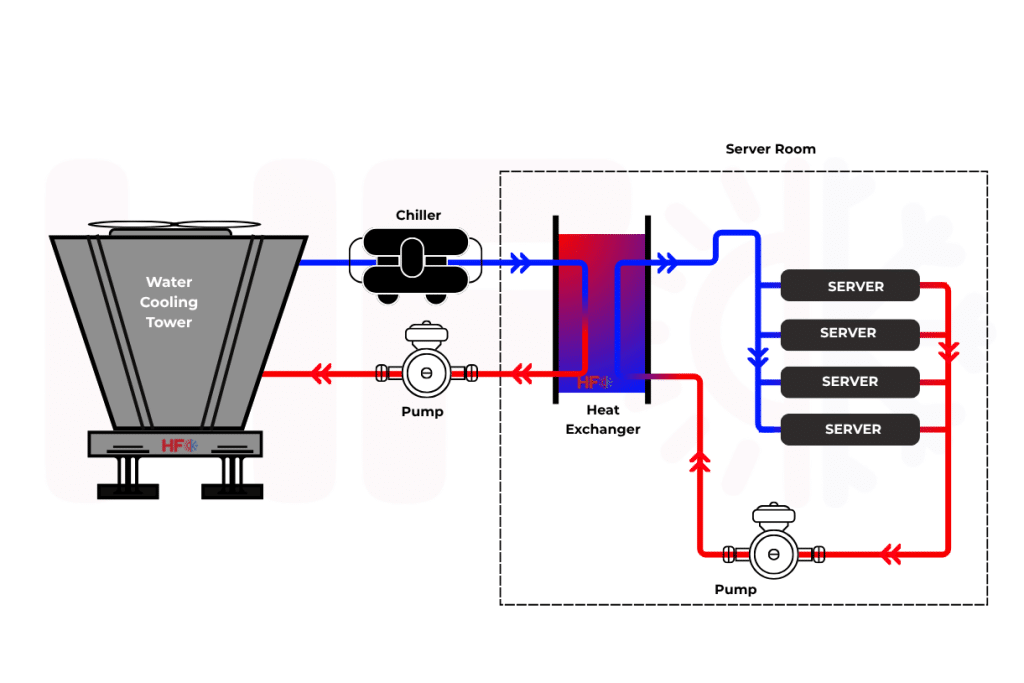
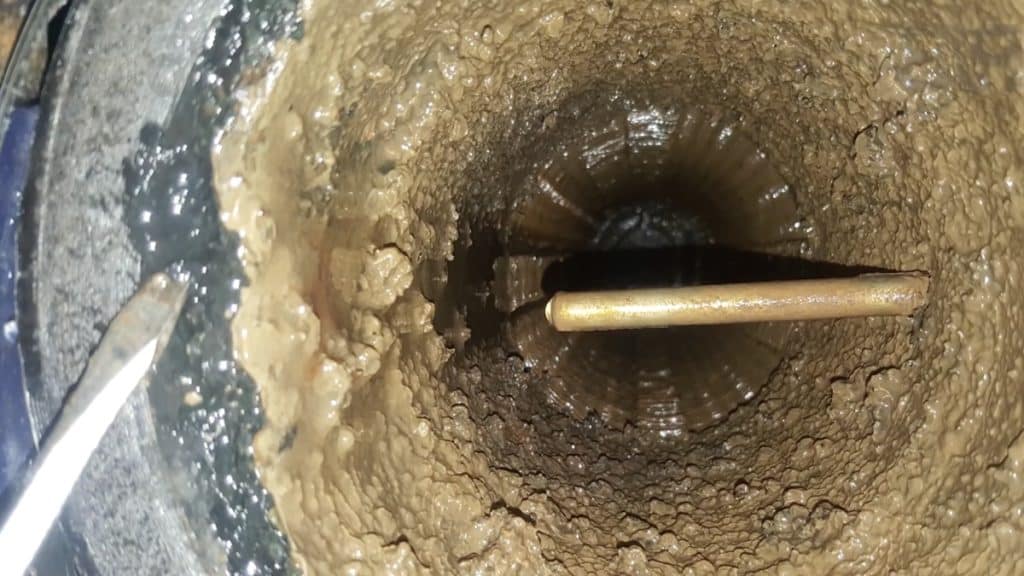
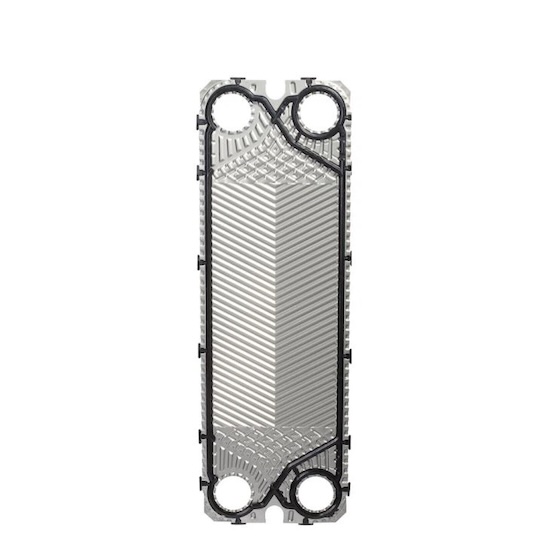
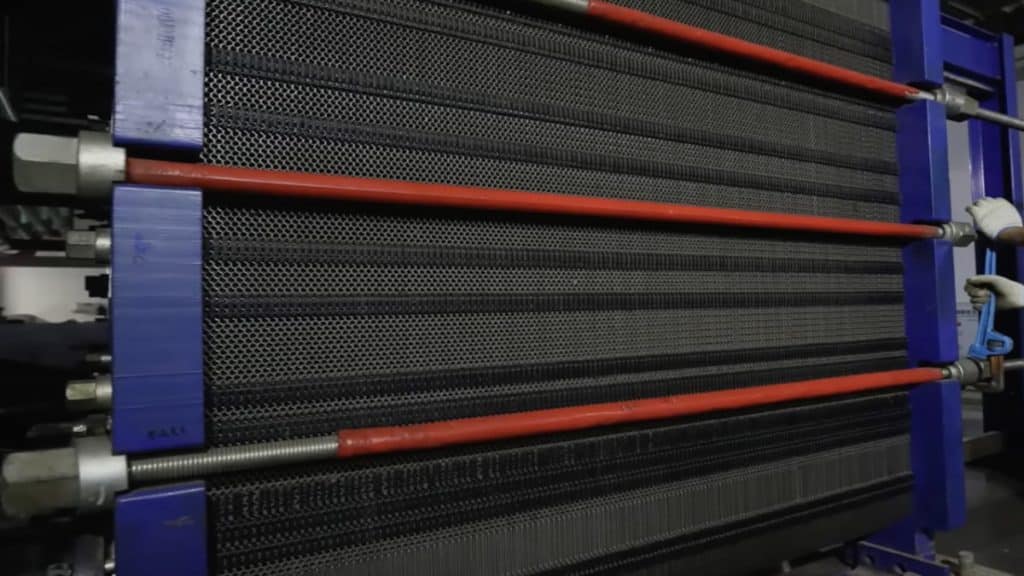
Thermal management is the largest energy consumer in any processing facility. An oil and gas heat exchanger that is poorly designed can become a massive operational bottleneck, leading to fouling, excessive pressure drop, or insufficient cooling.
We utilize HTRI Xchanger Suite, the global gold standard for thermal process design, to engineer units that are optimized for your specific fluids and constraints. Our design philosophy moves beyond simple “textbook” calculations to advanced data analysis:
| Design Parameter | Traditional Approach | Our Advanced HTRI Analysis |
|---|---|---|
| Fouling Factors | Uses generic TEMA standards. | Models fluid shear stress and velocity to predict actual fouling tendencies, optimizing cleaning cycles. |
| Vibration Analysis | Often overlooked or simplified. | Full flow-induced vibration analysis (FIVA) to prevent tube damage potential in high-velocity gas coolers. |
| Safety Margins | Arbitrary “over-design” (e.g., +20% area). | Statistical confidence analysis to minimize CAPEX while engaging “Performance Guarantee” reliability. |
Whether it is a Shell & Tube exchanger for high-pressure crude heating or an Air-Cooled Heat Exchanger (ACHE) for remote locations, our engineering ensures maximum thermal transfer coefficient (U-value) with minimal pressure drop penalties.
4. Equipment & Instrument Specification: The Devil in the Datasheets
The output of simulation and design must be translated into procurement-ready documentation. This is the phase of Equipment & Instrument Specification. A datasheet is not just a form; it is a contract of performance.
Our engineers produce detailed datasheets (aligned with API, ASME, and ISA standards) that cover all critical parameters:
- Rotary Equipment: Pump curves, seal plans (API 682), and driver power margins.
- Static Equipment: Vessel dimensions, nozzle loads, and corrosion allowances.
- Instrumentation: Control valve sizing (Cv calculations), flow meter rangeability, and safety integrity levels (SIL).
Applying Data Analysis Theory: We utilize historical failure data and predictive reliability metrics to specify materials and instrument types that offer the lowest Total Cost of Ownership (TCO), rather than just the lowest initial purchase price. For example, selecting a specific alloy for a control valve trim based on predicted cavitation intensity data analysis.
5. Sustainable Operations & Risk Mitigation
In modern engineering, “Process Design” is inseparable from “Sustainable Design.” Our process solutions are engineered to meet stringent environmental regulations and carbon reduction goals.
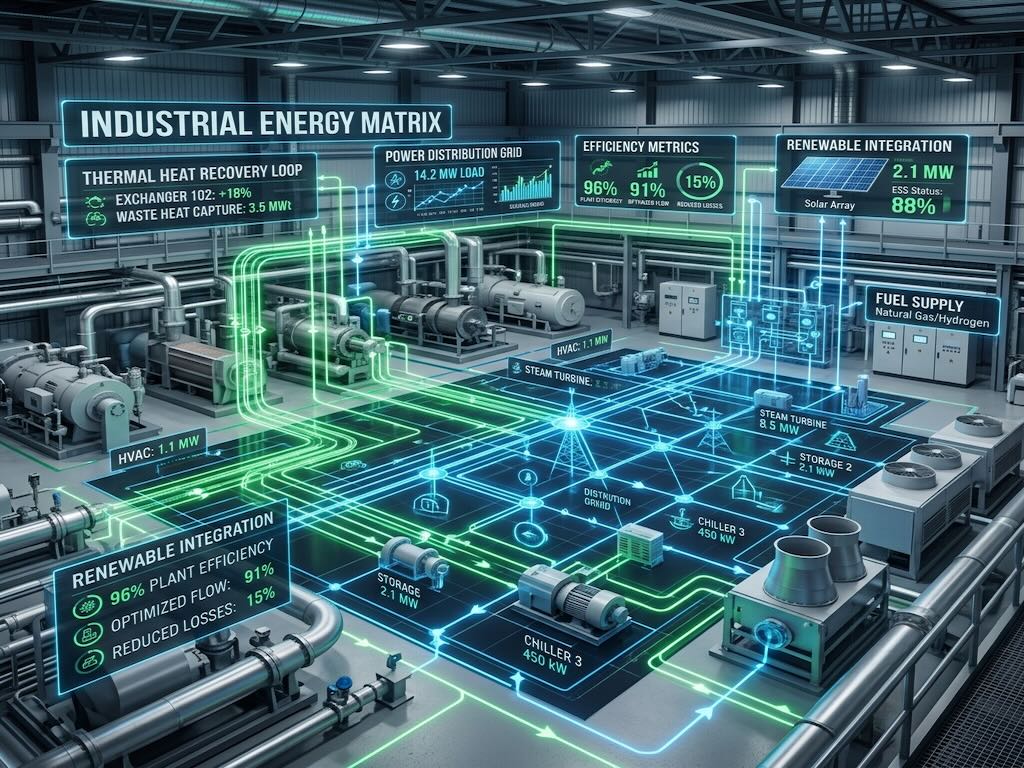
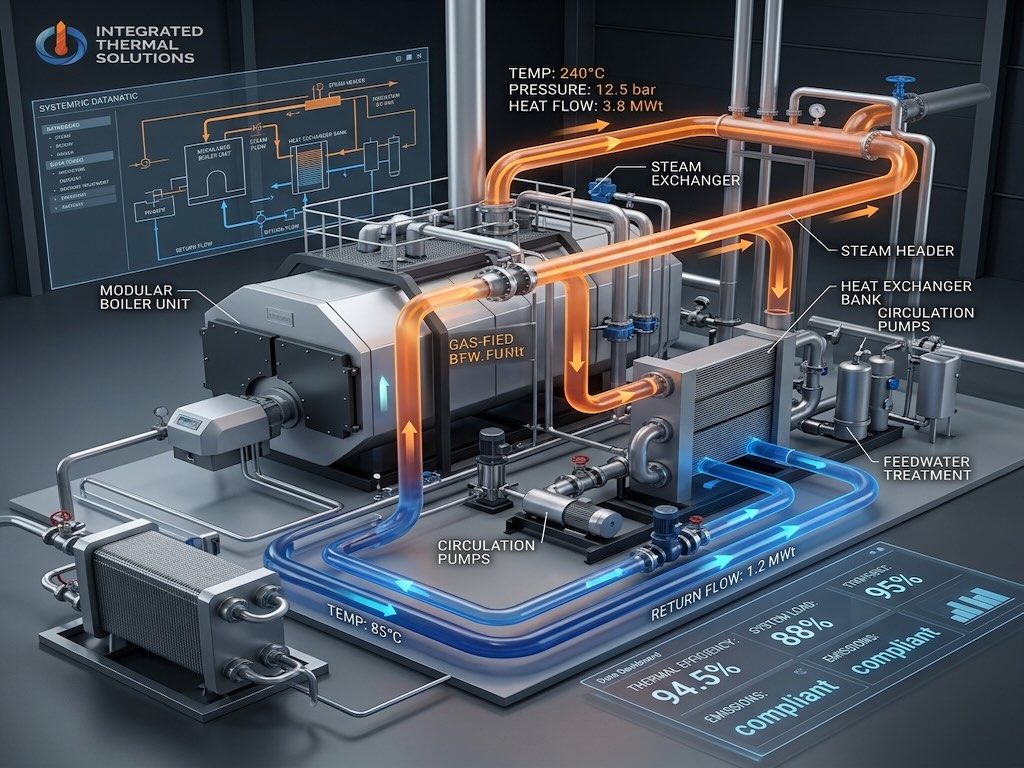
We integrate energy integration assessment (Pinch Analysis) into our design workflow. By analyzing the heating and cooling requirements across the entire plant data set, we can design heat exchanger networks that recover waste heat, dramatically reducing fuel gas consumption and CO2 emissions.
Furthermore, our risk mitigation strategies are embedded in the design process. From HAZOP (Hazard and Operability Study) facilitation to LOPA (Layer of Protection Analysis), we use statistical risk data to engineer robust safety layers, ensuring that your facility protects both its people and the environment.
Frequently Asked Questions (FAQ)
Q1: What is the difference between FEED and Detailed Engineering?
A: FEED (Front-End Engineering Design) focuses on defining the technical requirements and project cost (typically ±10%). Detailed Engineering follows FEED and creates the precise “Issued for Construction” drawings and specs needed to actually build the plant.
Q2: Which process simulation software do you use?
A: We primarily use ASPEN HYSYS for oil, gas, and petrochemical processes due to its superior thermodynamics engine for hydrocarbons. For chemical processes, we often utilize ASPEN Plus.
Q3: How does Smart P&ID technology save money?
A: It saves money by ensuring data integrity. If a pipe size changes on the P&ID, the bill of materials updates automatically. This prevents ordering the wrong valves or instruments, a common and costly error in manual drafting.
Q4: Can you design heat exchangers for fouling services?
A: Yes. Using HTRI, we model the shear stress and film temperature to minimize fouling. For severe services, we may recommend Spiral Heat Exchangers or specific high-velocity shell-side designs.
Why Partner With Us?
We do not just deliver drawings; we deliver confidence. Our multidisciplinary team combines deep industry expertise with mastery of the most advanced engineering software—PV Elite, ASPEN, HTRI, and ANSYS. We are partners in your project’s success, dedicated to driving efficiency through precision engineering.
From the conceptual definition of a new greenfield site to the debottlenecking of an mature asset, our comprehensive process engineering services provide the rigorous, data-backed foundation your project needs to thrive in a competitive energy market.
Ready to optimize your process?
Let’s discuss how our advanced simulation and design engineering can drive efficiency and safety for your operations.
Start Your Project Today