Scaling the Challenges of Water Scarcity: Desalination Brine Management
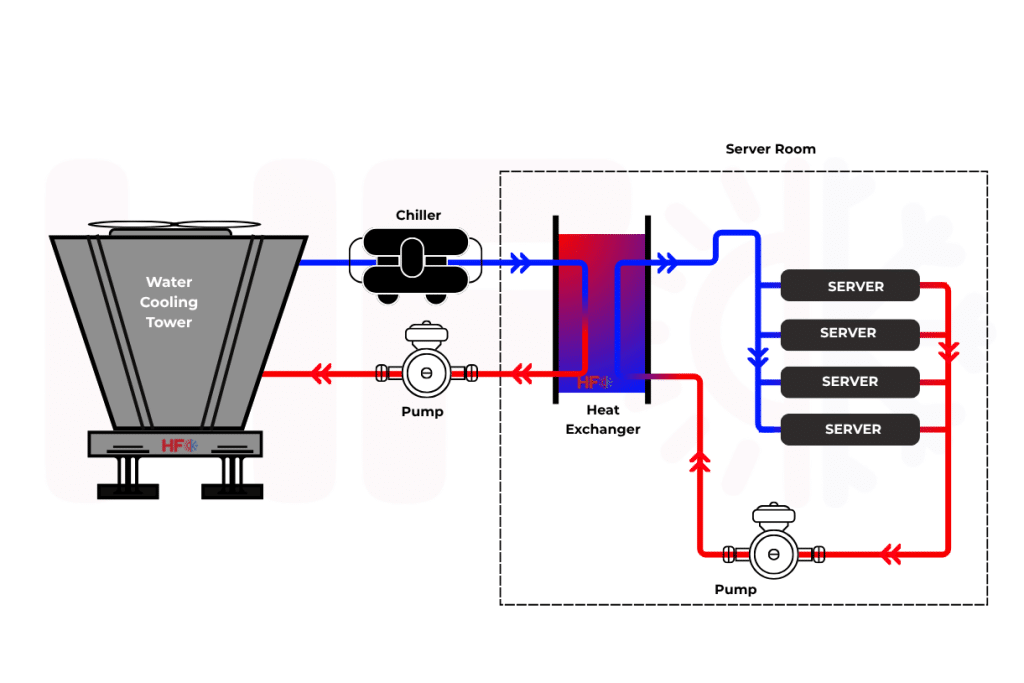
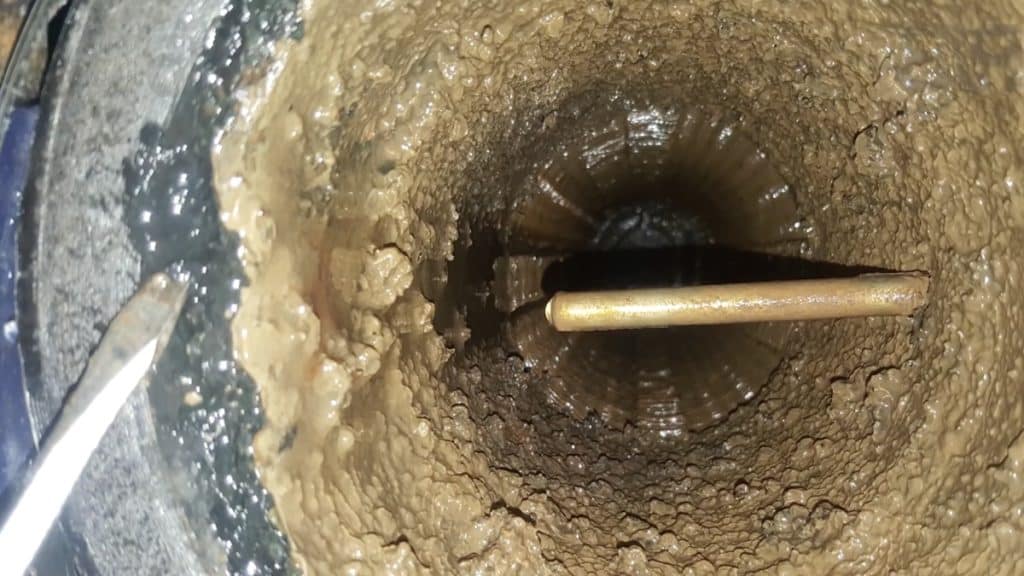
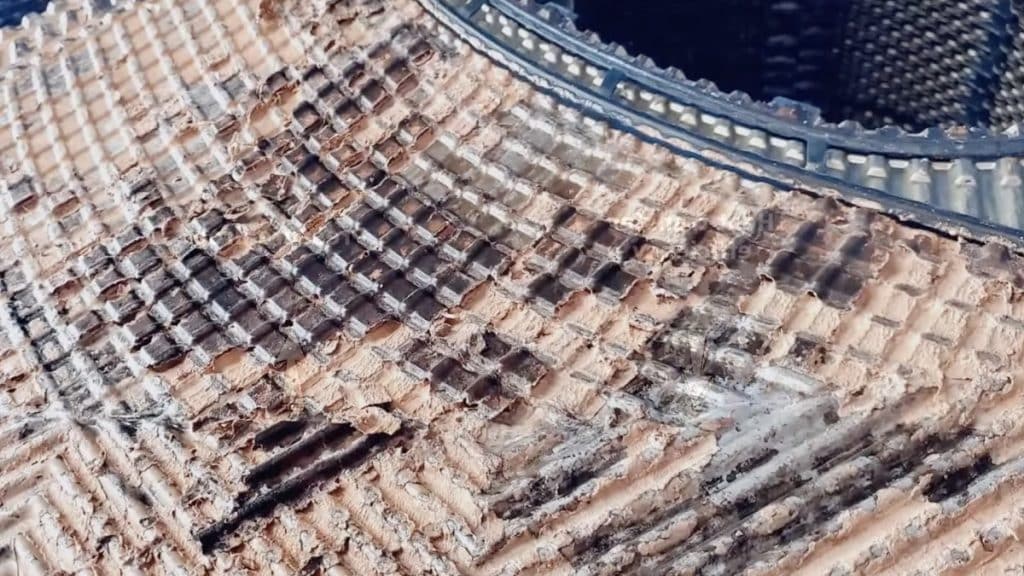
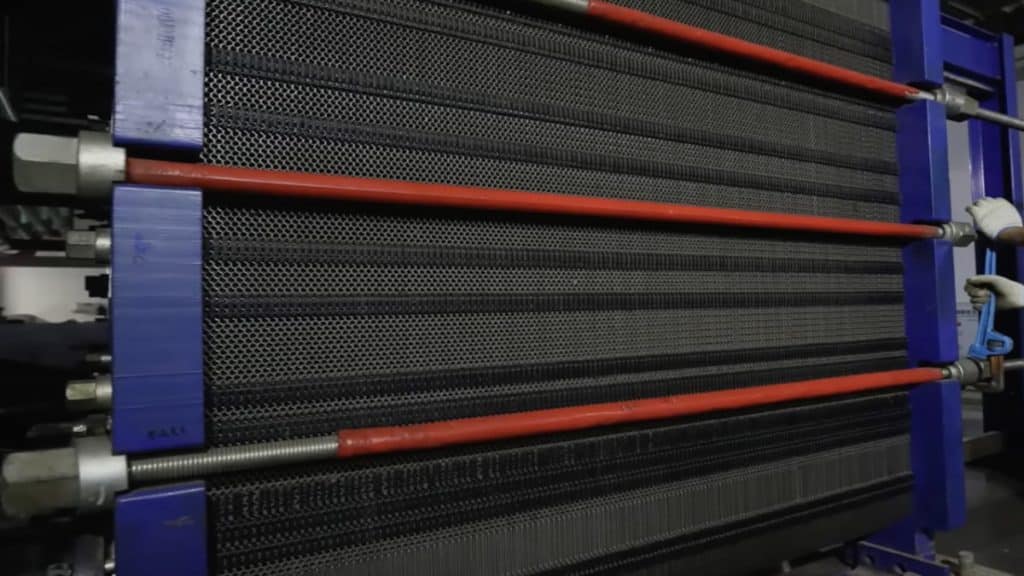
As groundwater levels drop, desalination has become a lifeline for industry and cities alike. However, the process generates “brine”—a hyper-concentrated salt solution that is incredibly abrasive and corrosive. In desalination brine management, the heat exchanger is the heart of the system, and if that heart stops due to scaling or corrosion, the entire plant goes offline.
How do you manage brine in desalination heat exchangers?
Effective brine management requires Titanium Grade 1 plates to prevent chloride corrosion and high-turbulence flow designs to minimize mineral scaling. Regular maintenance using automated “Clean-In-Place” (CIP) systems with mild acid washes is essential to keep the thermal efficiency at peak levels.
Why Titanium is Mandatory
Brine solutions frequently reach chloride levels that are 3 to 5 times higher than standard seawater. In these conditions, even “Duplex” stainless steels can begin to pit at elevated temperatures. Titanium is the only material that offers a 25-year design life for desalination duty, making it the industry standard for Multi-Stage Flash (MSF) and Reverse Osmosis (RO) backup systems.
3 Steps to Stop Brine Scaling
- Control Velocity: Maintain high velocity to keep salt particles in suspension.
- Monitor Pressure Drop: A sudden increase in pressure drop is the first sign of scale buildup.
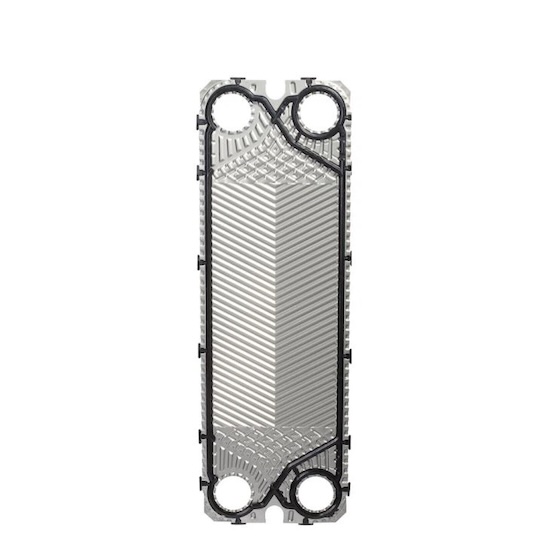
- Optimize Plate Gaps: Wide-gap plates can prevent clogging if the brine contains particulate matter.
FAQ: Water Treatment Heat Exchangers
Is Titanium Gr 2 better than Gr 1 for desalination?
Grade 2 is stronger, but Titanium Grade 1 is more ductile, making it easier to press into the complex corrugated patterns required for high-efficiency heat transfer.
Can I clean Titanium plates with harsh acids?
Yes, Titanium is resistant to many cleaning acids that would destroy stainless steel, allowing for more aggressive cleaning cycles without risking plate thinning.