Maximizing HVAC Energy Efficiency in Commercial and Industrial Buildings
Heating, ventilation, and air conditioning systems are the largest consumers of power in modern commercial facilities. As energy costs rise and environmental regulations tighten, improving HVAC energy efficiency is no longer just a sustainability goal—it is a financial imperative. By addressing building envelope thermal resistance, optimizing hydronic heating systems, and implementing intelligent controls, facility managers can drastically reduce operational overhead while maintaining superior indoor air quality.
What is HVAC Energy Efficiency?
HVAC energy efficiency is the measure of how effectively a heating or cooling system converts electrical or fuel energy into thermal comfort. It is optimized by minimizing heat loss through the building envelope, properly sizing mechanical equipment, and utilizing advanced control systems to prevent energy waste during part-load conditions.
Top 5 Steps to Improve HVAC Energy Efficiency
Upgrading a commercial facility requires a holistic approach. Upgrading a chiller is useless if the building envelope is leaking cold air. Follow these steps to systematically improve your building’s energy performance:
- Conduct a Thermal Envelope Audit: Before touching the mechanical equipment, evaluate your walls and roof. Use a U-Value thermal resistance calculator to identify areas where insulation upgrades will provide the highest ROI.
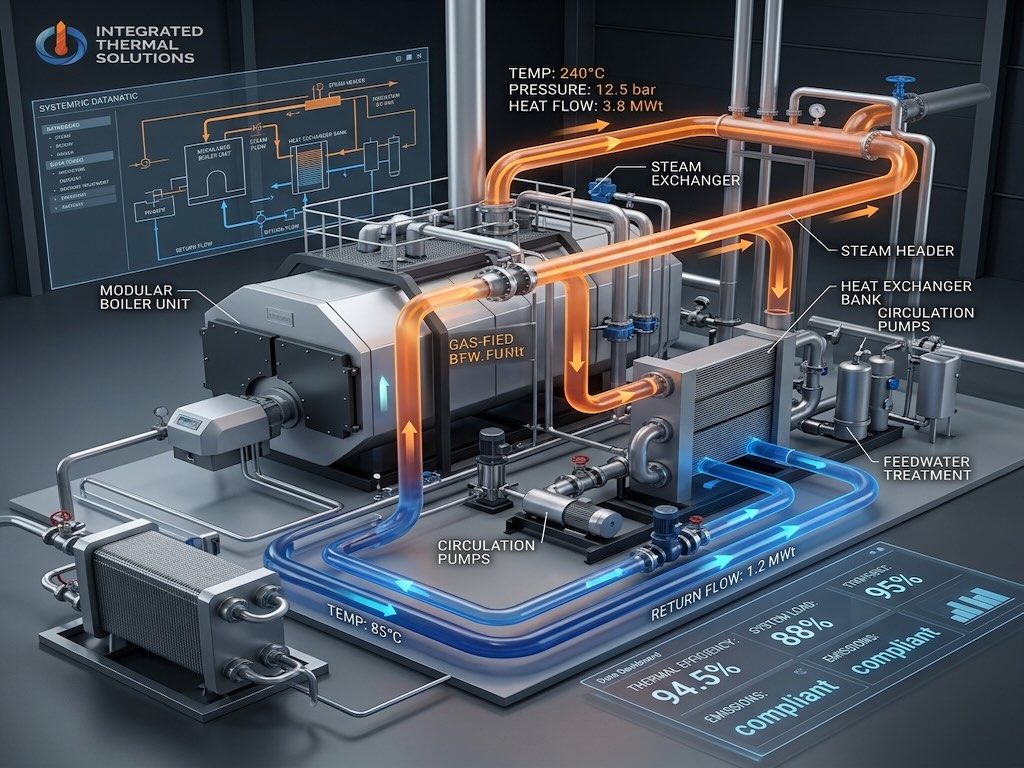
- Optimize Boiler and Radiator Sizing: Oversized boilers short-cycle, wasting massive amounts of fuel. Ensure your heat emitters are matched exactly to the room’s heat loss using a professional radiator calculator.
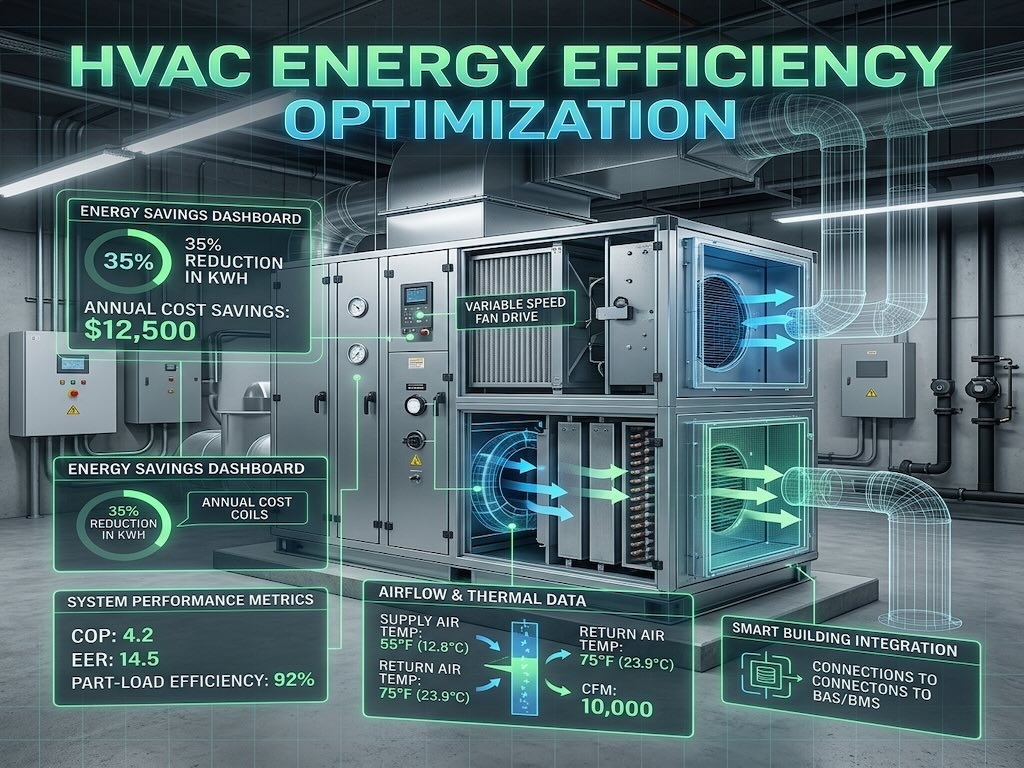
- Implement Variable Frequency Drives (VFDs): Install VFDs on all air handling unit (AHU) fans and hydronic pumps. Reducing motor speed by just 20% can cut fan energy consumption by nearly 50%.
- Upgrade to Condensing Boilers: For commercial gas systems, replacing older atmospheric boilers with high-efficiency condensing boilers can instantly improve heating efficiency from 80% to over 95%.
- Deploy Demand-Controlled Ventilation (DCV): Use CO2 sensors to modulate fresh air intake based on actual room occupancy, rather than constantly conditioning maximum design airflow.
Evaluating Insulation: U-Value vs. R-Value
A critical component of HVAC energy efficiency is the building envelope. Engineers use two primary metrics to define insulation performance. Understanding the difference is crucial for calculating accurate heating and cooling loads.
| Metric | Definition | Impact on HVAC Energy Efficiency |
|---|---|---|
| U-Value (Thermal Transmittance) | Measures the rate of heat transfer through a structure (W/m²K). | Lower is better. A low U-value means less heat escapes, reducing the required boiler size. |
| R-Value (Thermal Resistance) | Measures a specific material’s resistance to heat flow (m²K/W). | Higher is better. Thicker, denser insulation materials provide higher R-values, preventing thermal bridging. |
Frequently Asked Questions
How does insulation impact HVAC energy efficiency?
Insulation directly dictates the required capacity of your HVAC equipment. High thermal resistance (R-value) prevents heat loss in winter and heat gain in summer, allowing equipment to run less frequently and consume less power.
What is an Energy Efficiency Ratio (EER)?
The Energy Efficiency Ratio (EER) measures the cooling capacity of an air conditioner relative to its electrical input. It is calculated by dividing the cooling output in BTUs by the power consumption in Watts under specific test conditions.
Why is oversizing HVAC equipment bad for efficiency?
Oversized equipment rapidly turns on and off (short-cycling). This prevents the system from reaching its peak steady-state efficiency, increases wear and tear on compressors, and fails to adequately dehumidify the air.
Are smart thermostats effective in commercial buildings?
Yes, smart controls combined with Building Management Systems (BMS) are highly effective. They allow for deep night setbacks, optimal start/stop programming, and remote monitoring to ensure the system only runs when required.
How can I check if my radiators are sized correctly?
You must calculate the specific heat loss of the room first. Once the room’s wattage requirement is known, use a radiator sizing tool to ensure the panel’s output matches the heat loss at your specific boiler water temperature.
Consult the MEP Energy Experts
Achieving peak HVAC energy efficiency requires more than just installing new equipment; it demands rigorous thermal calculations, building envelope analysis, and proper hydronic balancing. If your facility is struggling with high utility bills or poor comfort, it is time for a professional engineering review.