The Critical Role of Third Party Inspection Services in Industrial Engineering
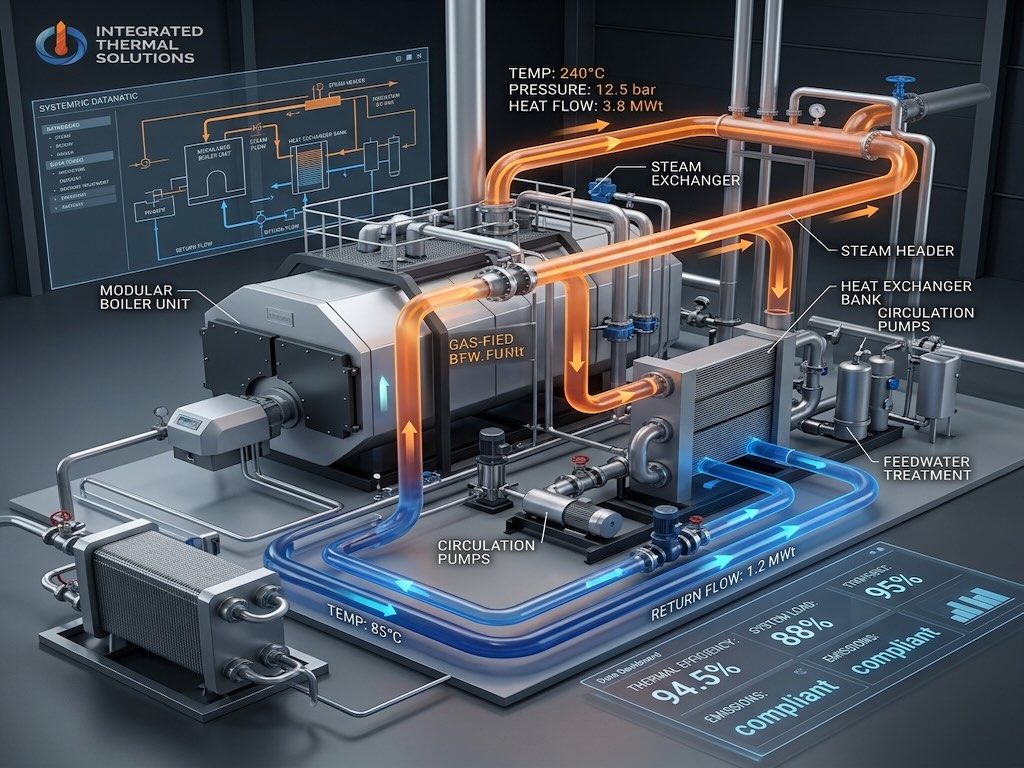
When investing millions of dollars into custom pressure vessels, heat exchangers, or modular plant skids, trust is not enough. You need absolute verification. This is where third party inspection services become indispensable. By utilizing independent, certified engineering inspectors, B2B buyers can guarantee that their critical equipment is manufactured exactly to design specifications, adheres to stringent international codes, and is safe for high-pressure industrial operation.
What are Third Party Inspection Services?
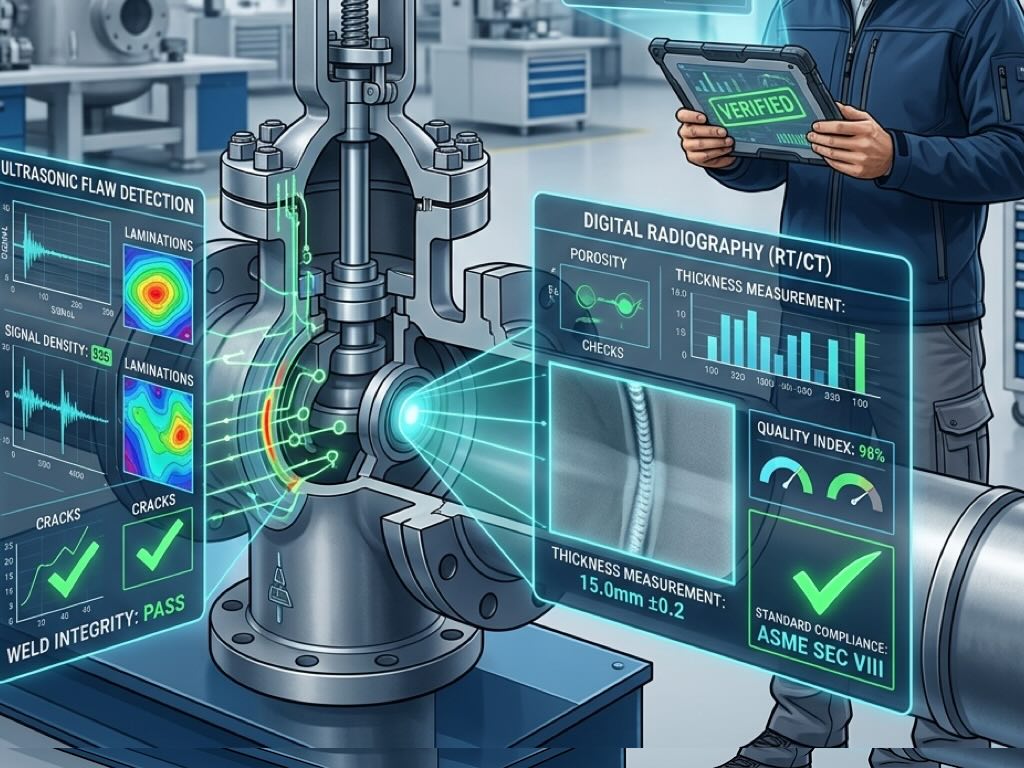
Third party inspection services are independent quality assurance and quality control (QA/QC) evaluations performed by a certified external agency. These inspectors verify that industrial equipment, materials, and manufacturing processes comply with specific engineering standards (like ASME, API, or ISO) and the buyer’s approved design documentation, ensuring unbiased verification of quality and safety.
Key Stages of Industrial Equipment Inspection
A rigorous third-party inspection is not a single event at the end of manufacturing; it is a continuous process throughout fabrication. Whether you are purchasing a single ASME Section VIII pressure vessel or massive skid-mounted packages, inspections follow strict milestones:
- Pre-Inspection Meeting (PIM): The inspector, manufacturer, and buyer meet to review the Inspection and Test Plan (ITP), establishing exactly when the inspector must be present.
- Material Receiving Inspection: Verifying that the raw steel plates and pipes match the Mill Test Certificates (MTC) and have the correct chemical and physical properties before cutting begins.
- Fit-Up and Welding Inspection: Checking joint preparation before welding, and ensuring welders are certified (WPS/PQR verification).
- Non-Destructive Testing (NDT) Witnessing: The inspector witnesses X-Ray (RT), Ultrasonic (UT), or Magnetic Particle (MT) testing to ensure weld integrity without damaging the vessel.
- Hydrostatic Testing: Witnessing the final pressure test where the equipment is filled with water and pressurized beyond its design limit to prove structural safety.
- Final Dimensional and Coating Inspection: Ensuring nozzles are in the exact right location for field piping connections, and that anti-corrosion paint is applied to the correct micron thickness.
Types of Non-Destructive Testing (NDT)
A core component of third-party inspection is NDT. Understanding these methods helps buyers know what they are paying for during quality control.
| Testing Method | How It Works | Best Used For |
|---|---|---|
| Radiographic Testing (RT) | Uses X-Rays to create an image of the internal structure of the weld. | Finding internal voids, porosity, and deep cracks in full-penetration welds. |
| Ultrasonic Testing (UT) | Uses high-frequency sound waves to detect flaws based on echo returns. | Measuring exact material thickness and finding deep subsurface defects. |
| Dye Penetrant Testing (PT) | A colored liquid is sprayed on the surface and drawn into surface-breaking flaws via capillary action. | Quickly finding surface cracks, especially on non-magnetic stainless steel. |
| Magnetic Particle (MT) | Magnetizes the metal and uses iron particles to reveal disruptions in the magnetic field. | Finding surface and slightly sub-surface cracks in carbon steel. |
Frequently Asked Questions
Why can’t I just trust the manufacturer’s own QC department?
Internal QC departments face pressure to meet production deadlines, creating a conflict of interest. A third-party inspector represents only the buyer, ensuring that quality and safety are never sacrificed for speed or cost.
What is an ITP (Inspection and Test Plan)?
An ITP is a detailed matrix outlining every manufacturing step and the required level of inspection. It designates \”Hold Points\” (fabrication must stop until the inspector arrives) and \”Witness Points\” (inspector is invited to watch).
Does an inspector check design calculations?
Generally, field inspectors only verify that the physical object matches the approved drawings. The initial design calculations (like ASME stress analysis) are usually reviewed by an authorized engineering body during the drawing approval phase.
What happens if a piece of equipment fails inspection?
The inspector issues a Non-Conformance Report (NCR). The manufacturer must formally propose a repair procedure, which the buyer must approve before fabrication can resume.
Protect Your Industrial Investments
When procuring heavy industrial equipment overseas or from new vendors, third party inspection services are your primary defense against substandard manufacturing. Heating Formula offers comprehensive engineering oversight, ensuring your equipment arrives fully compliant and ready for safe operation.