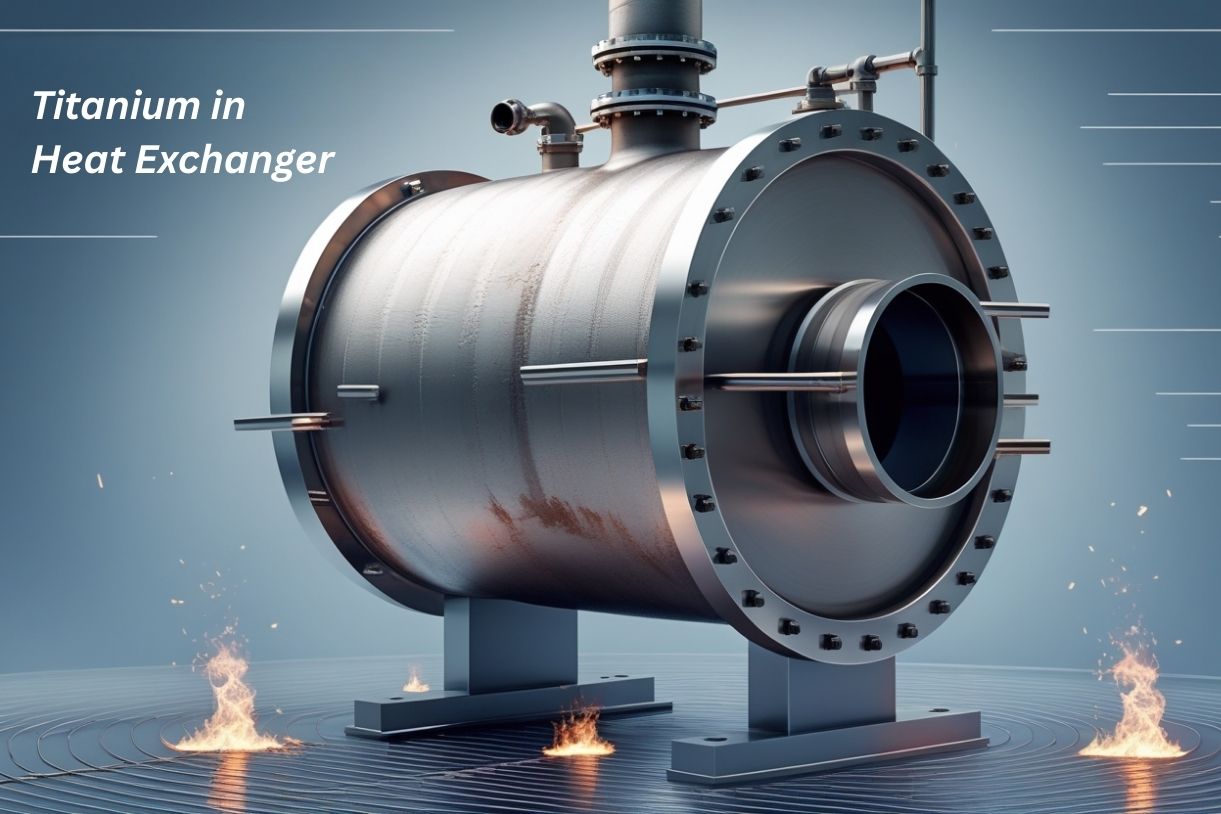
Titanium Plates in Plate Heat Exchangers: The Gold Standard for Corrosive Environments
In the high-stakes world of industrial heat transfer, material failure is not just an inconvenience; it is a catastrophic threat to production, safety, and profitability. While standard stainless steel (like AISI 304 or 316) serves as the backbone for many general-purpose applications, it meets its match when faced with the relentless aggression of seawater, brines, and high-chloride process fluids. Enter Titanium.
Titanium plates in Plate Heat Exchangers (PHEs) represent the pinnacle of corrosion resistance for aggressive fluid handling. For engineers designing systems for desalination, marine cooling, or chemical processing, understanding the metallurgy and economic case for Titanium is essential. This article delves into the unique properties that make Titanium the undisputed champion of corrosive environments and how it compares to other exotic alloys.
Did you know? Titanium is not actually “rare.” It is the ninth most abundant element in the Earth’s crust. Its high cost stems not from scarcity, but from the energy-intensive Kroll process required to extract and refine the metal from its ore (Rutile or Ilmenite) into a usable sponge form.
The Science of Survival: Why Titanium?
The magic of Titanium (typically Grade 1 or Grade 11 for deep pressing in PHEs) lies in its affinity for oxygen. Upon exposure to air or water, Titanium instantly forms a stable, continuous, and tightly adherent oxide film (TiO₂). This passive layer is self-healing; if scratched or damaged, it instantly reforms in the presence of trace oxygen.
This oxide barrier provides virtual immunity to:
- Pitting and Crevice Corrosion: Unlike stainless steel, which can suffer localized attack in stagnant seawater, Titanium remains unaffected even in highly polluted waters.
- Microbiologically Influenced Corrosion (MIC): The smooth, inert surface resists the biofouling mechanisms that often degrade ferrous alloys.
- Stress Corrosion Cracking (SCC): Titanium performs exceptionally well under tensile stress in chloride environments where stainless steels often fail catastrophically.
Comparative Analysis: Titanium vs. The Alternatives
When selecting materials for a new heat exchanger project, engineers often weigh Titanium against high-grade stainless steels and nickel alloys. The following table provides a technical comparison of these materials in the context of chloride-rich environments.
| Material Property | AISI 316L (Stainless) | Titanium (Gr. 1) | Hastelloy C-276 |
|---|---|---|---|
| Chloride Resistance | Low (< 150 ppm) | ✓ Extreme (Unlimited) | ✓ Very High |
| Seawater Suitability | ✗ Not Recommended | ✓ Excellent | ✓ Excellent |
| Density (g/cm³) | 8.0 | 4.5 (Lightweight) | 8.89 (Heavy) |
| Thermal Conductivity | ~16 W/(m·K) | ~21 W/(m·K) | ~10 W/(m·K) |
| Relative Cost | $ (Base) | $$$ (High) | $$$$$ (Very High) |
| Typical Application | General Water/HVAC | Marine/Desalination | Strong Acids/Chemicals |
While Hastelloy C-276 offers superior resistance to reducing acids (like hydrochloric acid), Titanium is often the more cost-effective choice specifically for oxidizing environments like seawater, making it the preferred material for marine and coastal industries.
Critical Applications for Titanium PHEs
Titanium plates are not a “one-size-fits-all” solution but are mandatory in specific sectors where fluid chemistry dictates material selection.
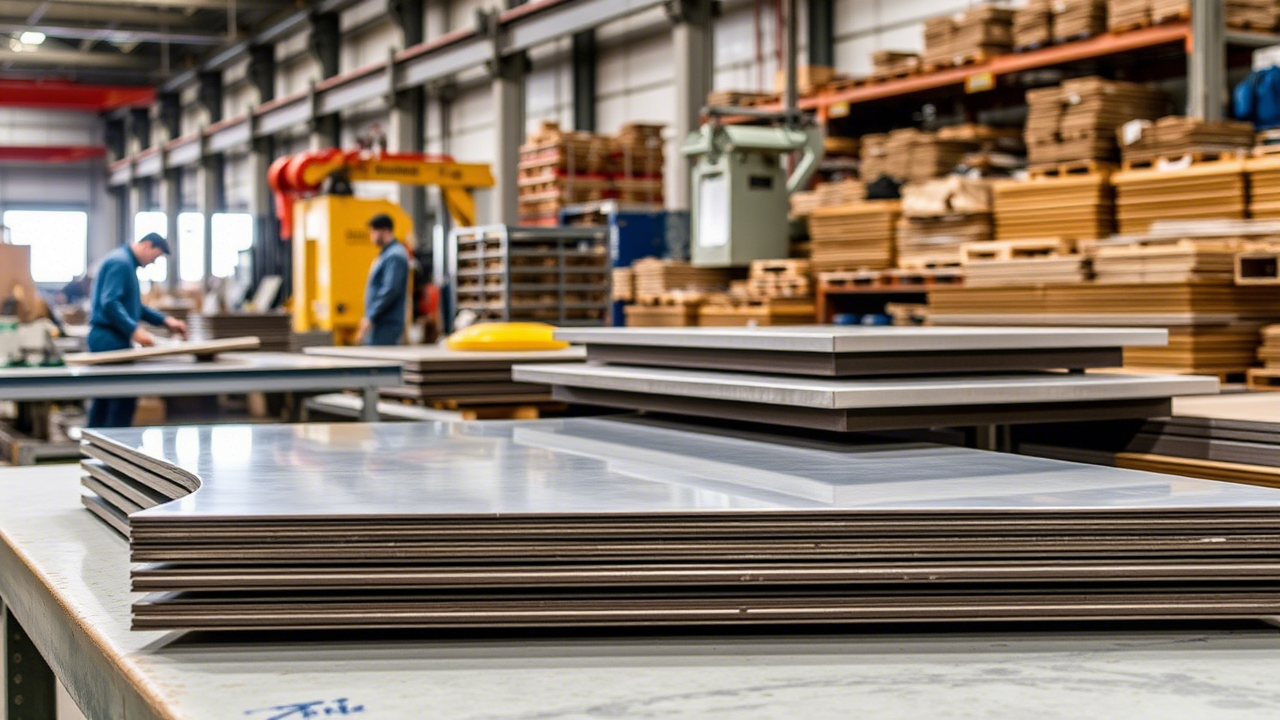
1. Marine and Offshore Cooling
Central cooling systems on ships and offshore platforms utilize seawater to cool fresh water loops. Titanium is the industry standard here. Any compromise with lower-grade alloys often leads to rapid failure due to the aggressive nature of salt water combined with biological activity.
2. Desalination Plants
In thermal desalination processes, heat exchangers handle hot brine solutions. Titanium’s resistance to chlorides at elevated temperatures ensures that the equipment can survive the harsh salinity and heat that characterizes the desalination process.
3. Chemical Processing (Chlor-Alkali)
Plants producing chlorine or caustic soda rely heavily on Titanium heat exchangers. Wet chlorine gas, which rapidly corrodes most metals, has little effect on Titanium due to the moisture facilitating the maintenance of the protective oxide layer.
4. Swimming Pool Heating
For saltwater pools or pools using aggressive chlorination, standard stainless steel exchangers frequently succumb to corrosion. A dedicated pool heat exchanger with Titanium plates ensures the unit outlasts the pool machinery itself.
Engineering Note: While Titanium is excellent for seawater, it is not compatible with dry chlorine or hydrofluoric acid. In these specific chemical environments, Titanium will corrode rapidly or ignite. Always verify chemical compatibility using our selection guides before specification.
The Economic Case: ROI over CAPEX
A common hesitation in specifying Titanium is the initial Capital Expenditure (CAPEX). It is undeniably more expensive than stainless steel. However, the calculation changes when shifting focus to Total Cost of Ownership (TCO).
Consider a coastal refinery using seawater for cooling. A 316L exchanger might cost 40% less initially but may fail within 18 months due to pitting corrosion. The cost of downtime, fluid loss, labor for replacement, and the new unit itself far outweighs the initial premium of Titanium. A Titanium PHE, properly maintained, can serve for 20+ years in the same environment. In the long run, Titanium is often the cheapest option for corrosive duties.
Sourcing and Maintenance
Because Titanium plates are thinner (often 0.5mm or 0.6mm) to maximize heat transfer and reduce material cost, the manufacturing precision is critical. High-quality pressing is required to prevent micro-cracks that could propagate under pressure.
At Heating Formula, we supply Titanium plates that meet rigorous OEM standards. Furthermore, because Titanium is immune to corrosion, fouling is the primary operational concern. Regular maintenance involving cleaning and gasket replacement is vital. Since the plates do not corrode, they rarely need replacement, meaning your spare parts inventory can focus primarily on elastomer gaskets rather than costly metal plates.
Conclusion
Titanium plates in heat exchangers transform the liability of corrosive fluids into a manageable asset. By offering near-immunity to seawater and chlorides, they provide the operational security that modern heavy industries demand. While the upfront investment is higher, the assurance of uninterrupted production makes Titanium the “gold standard” for difficult heat transfer applications.
Are you dealing with seawater, brines, or aggressive chemicals? Don’t leave your equipment’s lifespan to chance.
Frequently Asked Questions (FAQ)
-
Can I mix Titanium plates with Stainless Steel frames?
Yes, this is the standard configuration. The plates (wetted parts) are made of Titanium, while the frame (clamping the plate pack) is typically carbon steel or stainless steel, as it does not come into contact with the process fluid. However, if the environment is corrosive (e.g., offshore air), the frame may need special painting or stainless steel cladding.
-
Is Titanium better than Hastelloy?
Yes, this is the standard configuration. The plates (wetted parts) are made of Titanium, while the frame (clamping the plate pack) is typically carbon steel or stainless steel, as it does not come into contact with the process fluid. However, if the environment is corrosive (e.g., offshore air), the frame may need special painting or stainless steel cladding.
-
Is Titanium better than Hastelloy?
“Better” depends on the fluid. For oxidizing environments like seawater and wet chlorine, Titanium is generally superior and more cost-effective. For reducing acids (like HCl or H₂SO₄), Hastelloy is necessary as Titanium may corrode.
-
What is the maximum temperature for Titanium PHE plates?
While Titanium metal can withstand very high temperatures, in a gasketed plate heat exchanger, the limit is usually defined by the gasket material (EPDM, Viton/FKM), typically capping around 150°C to 180°C.