
How Heat Exchangers Revolutionize HVAC Applications
In the modern landscape of building management and industrial climate control, the demand for energy efficiency has never been higher. Heating, Ventilation, and Air Conditioning (HVAC) systems are the lungs of our infrastructure, consuming a vast portion of global energy. At the heart of these systems lies the silent enabler of efficiency: the heat exchanger.
Whether in a towering skyscraper in Dubai or a district heating network in Northern Europe, heat exchangers are pivotal in regulating temperatures, managing pressures, and recovering energy that would otherwise be wasted. But how exactly are they utilized, and which types yield the best return on investment?
Did you know? Optimizing your heat exchanger selection can reduce HVAC energy consumption by up to 20–30% via methods like “Free Cooling.”
The Core Roles of Heat Exchangers in HVAC
Heat exchangers in HVAC are not merely about making things hot or cold; they are about system separation and thermal management. Here are the primary applications where engineers rely on these devices:
1. Pressure Breakers (System Isolation)
In high-rise buildings, the static pressure of the water column can exceed the design limits of chillers and boilers located in the basement. A Plate Heat Exchanger (PHE) acts as a “pressure breaker.” It intercepts the high-pressure water from the building tower and transfers its thermal energy to the lower-pressure loop connected to the sensitive equipment. This protects expensive chillers from blowing gaskets or seals due to immense hydrostatic pressure.
2. Free Cooling (The Efficiency King)
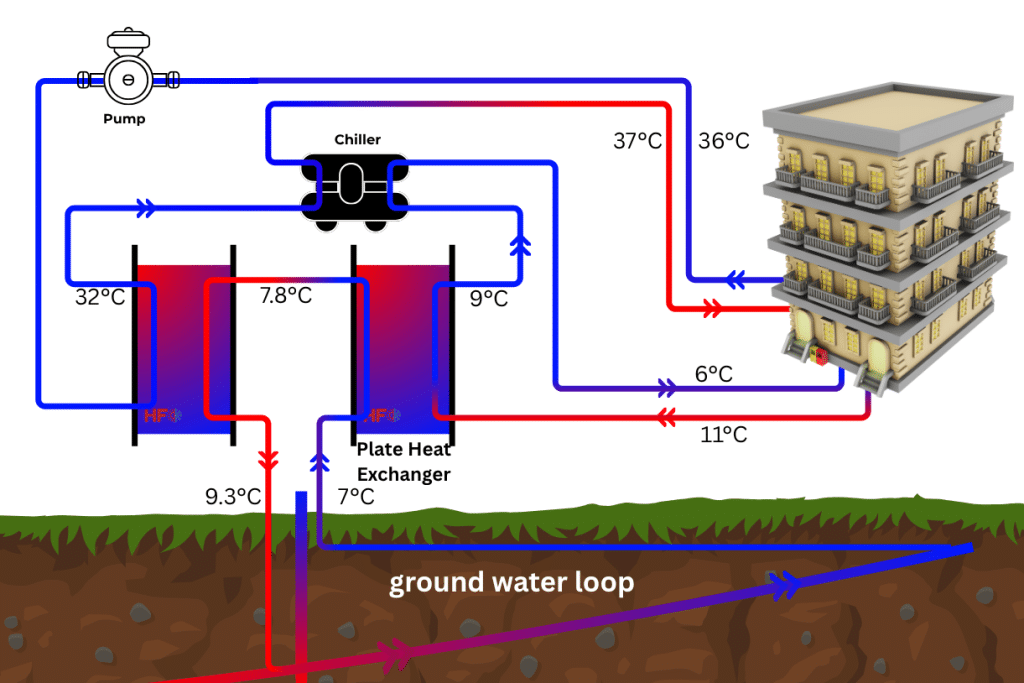
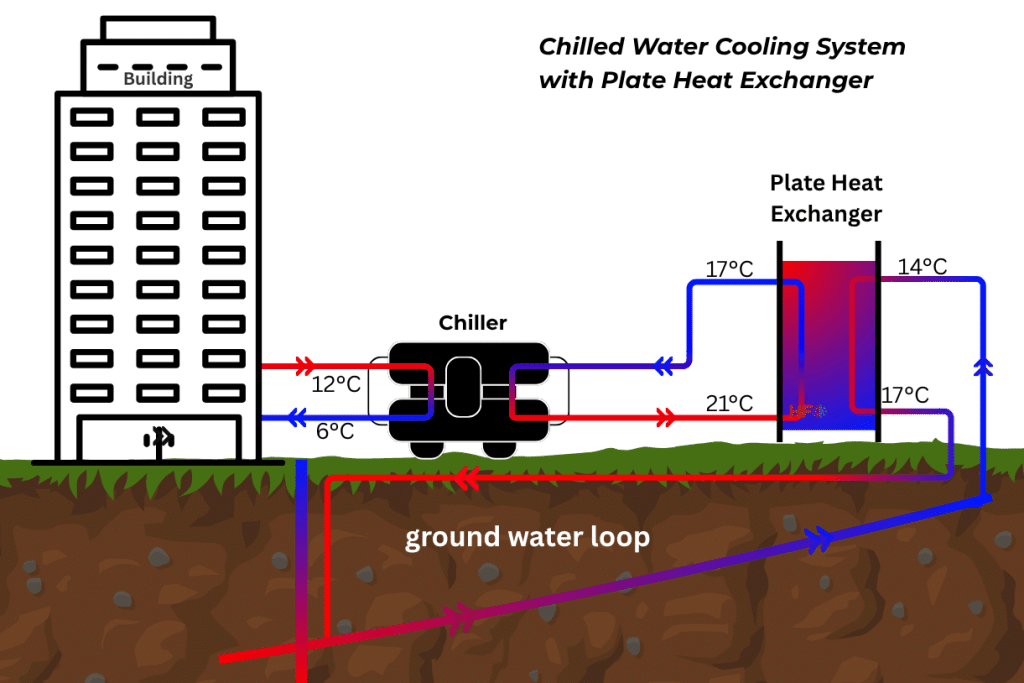
Perhaps the most economically impactful application is Free Cooling. During transitional seasons or winter, the ambient outdoor temperature is often lower than the return water temperature from the building.
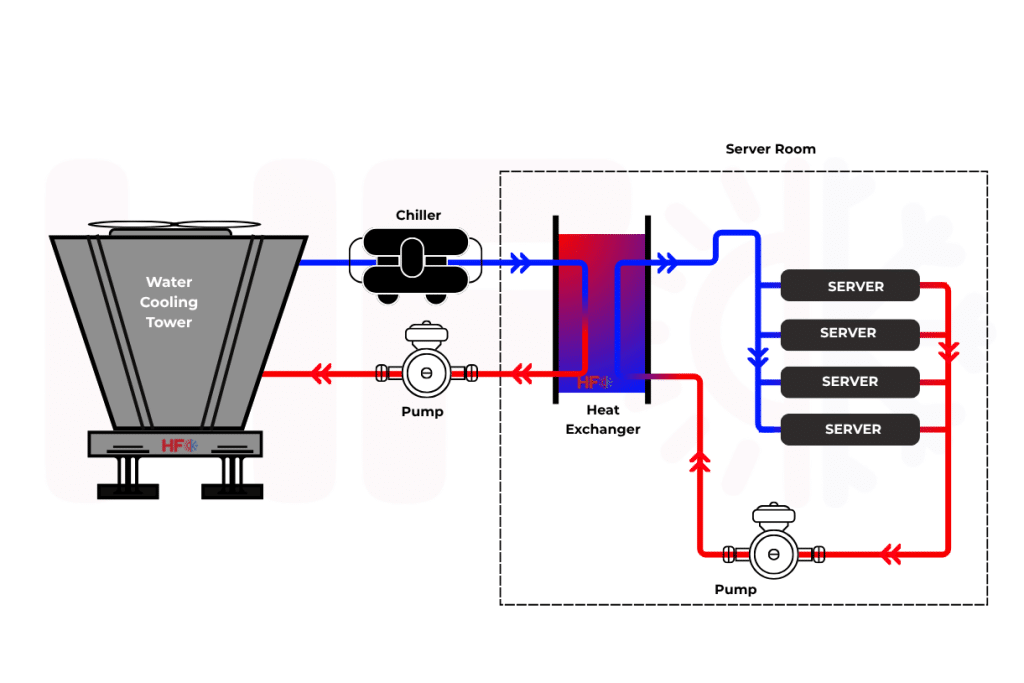
Instead of running energy-hungry mechanical chillers, the system bypasses them. Cooling tower water passes through a heat exchanger to cool the building loop directly. This drastically cuts electricity bills and extends the lifespan of the chillers.
3. District Heating and Cooling
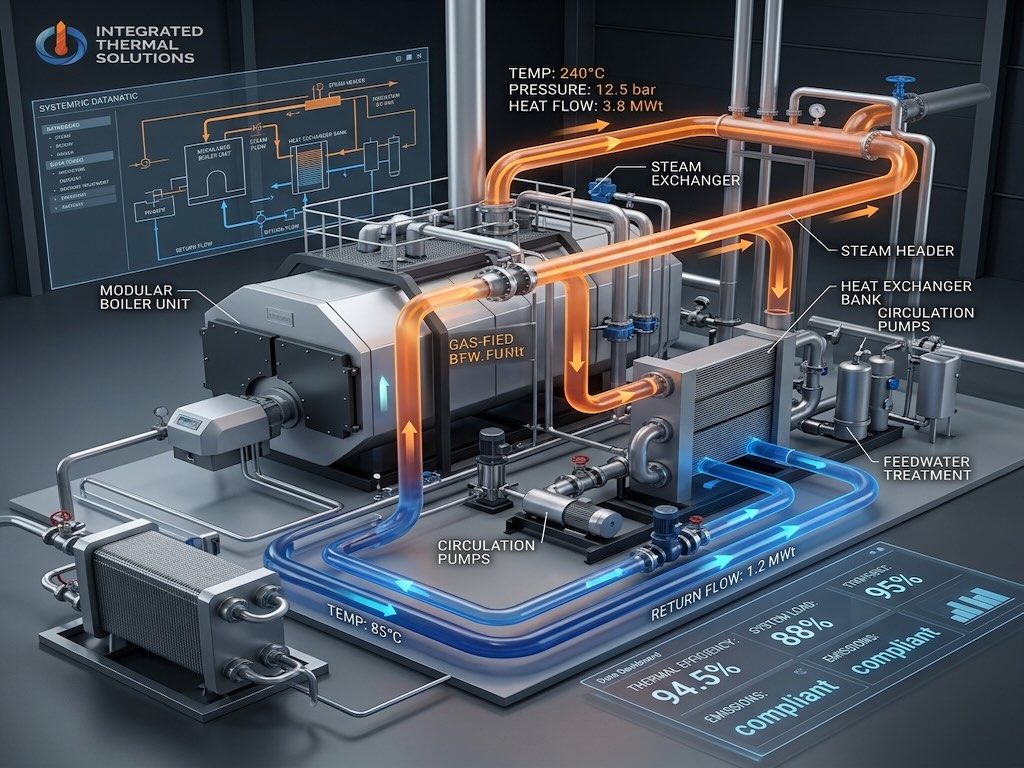
District energy networks generate heat or chilled water at a central plant and distribute it to multiple buildings. At each building’s substation, a heat exchanger transfers this energy to the internal building loop. This ensures that the central network fluid — which might contain specific chemical treatments or operate at different pressures — never mixes with the building’s potable or technical water.
Selecting the Right Technology: Plate vs. Shell & Tube
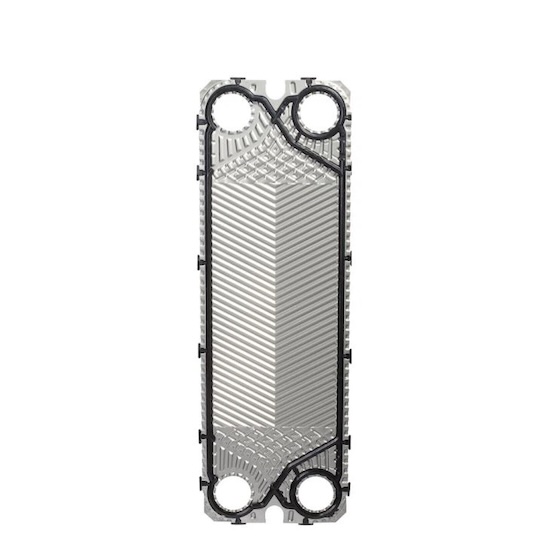
While various designs exist, the HVAC industry has largely shifted toward Plate Heat Exchangers (PHE) due to their close temperature approach — the ability to transfer heat with a very small temperature difference between fluids.
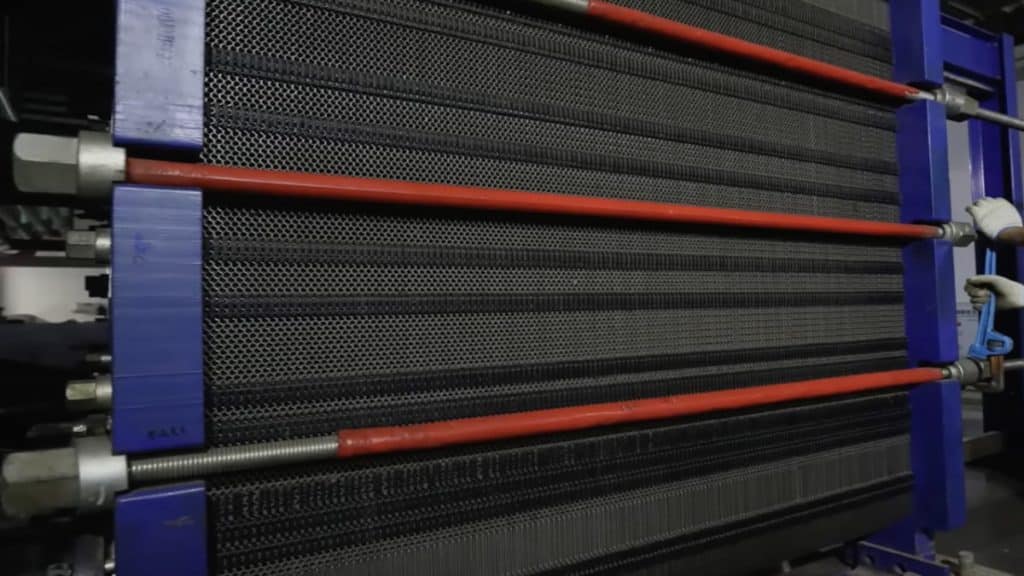
Gasketed Plate Heat Exchangers (GPHE) are the standard for large commercial applications, allowing for disassembly and cleaning. However, Brazed Plate Heat Exchangers (BPHE) are gaining traction in compact chillers and heat pumps due to their sealed, robust nature.
Comparison: Which Fits Your HVAC Project?
| Feature | Gasketed Plate (GPHE) | Brazed Plate (BPHE) | Shell & Tube |
|---|---|---|---|
| Thermal Efficiency | Very High | High | Moderate |
| Footprint | Compact | Ultra-Compact | Large |
| Maintenance | Easy (Open & Clean) | Chemical CIP only | Mechanical Cleaning |
| Pressure Limits | Medium (up to 25 bar) | High (up to 40+ bar) | Very High |
| Best Application | Free Cooling, District Energy | Heat Pumps, Chillers | Steam, dirty fluids |
Selection Tip: In HVAC, a “close temperature approach” (e.g., 1°C difference) is often required for efficient Free Cooling. Only properly sized Plate Heat Exchangers can achieve this economically.
The Impact of Fouling on HVAC Performance
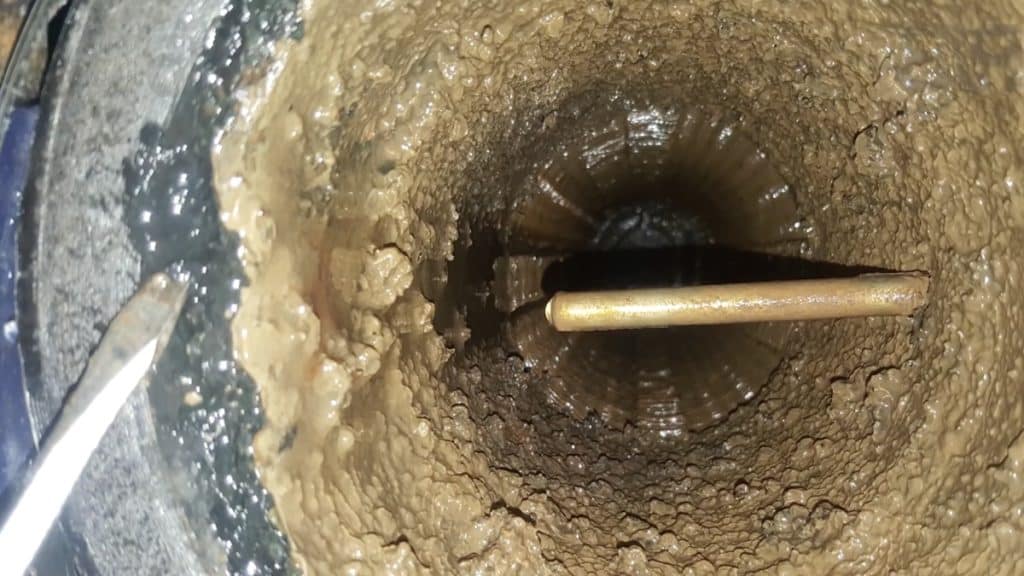
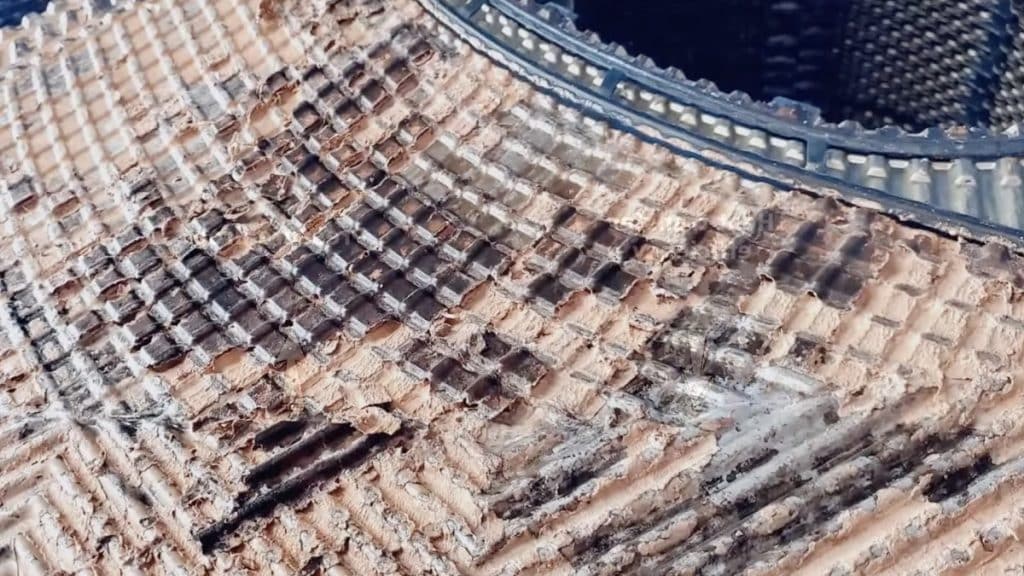
HVAC systems often utilize cooling towers, which are open to the atmosphere. This introduces debris, biological growth, and sediment into the water loop. When this water enters a heat exchanger, it can lead to fouling — a buildup of insulating layers on the plate surfaces.
Fouling has two devastating effects:
- Reduced Heat Transfer: The chiller must work harder to achieve the same cooling effect.
- Increased Pressure Drop: The pumps consume more energy to push fluid through narrowed channels.
To mitigate this, regular maintenance is non-negotiable. For Gasketed PHEs, this involves opening the pack and cleaning the plates. If you are operating older units, carrying a stock of replacement gaskets and plates is a proactive strategy to prevent extended downtime.
The Future: Heat Recovery and Decarbonization
As the world moves toward net-zero buildings, the role of the heat exchanger expands. Modern systems now incorporate Heat Recovery Ventilators (HRV) and waste heat recovery from data centers to warm office spaces.
Furthermore, the integration of Geothermal Heat Pumps relies heavily on robust titanium or stainless steel exchangers to harvest stable thermal energy from the ground, independent of fluctuating air temperatures.
Why Choose Heating Formula?
At Heating Formula, we understand that an HVAC system is only as efficient as its components. Whether you need a new selection for a commercial tower or spare parts to refurbish an existing cooling network, our engineering team ensures your thermal management is optimized for both performance and longevity.
Frequently Asked Questions
What is the ideal temperature approach for an HVAC heat exchanger?
For Free Cooling applications, a temperature approach of 1°C to 2°C is typically targeted to maximize the number of hours the system can operate without mechanical chilling.
Can I use a brazed heat exchanger for cooling tower water?
While possible, it is risky due to fouling. Brazed units cannot be opened for cleaning. If used, strict water filtration and a rigorous chemical cleaning (CIP) schedule are required.
How do I know if my heat exchanger is undersized?
Symptoms include high pressure drop across the unit and the inability to reach target outlet temperatures at full load. You can check your parameters using our online calculator.