Engineering Highly Efficient Thermal Energy Systems for Industrial Plants
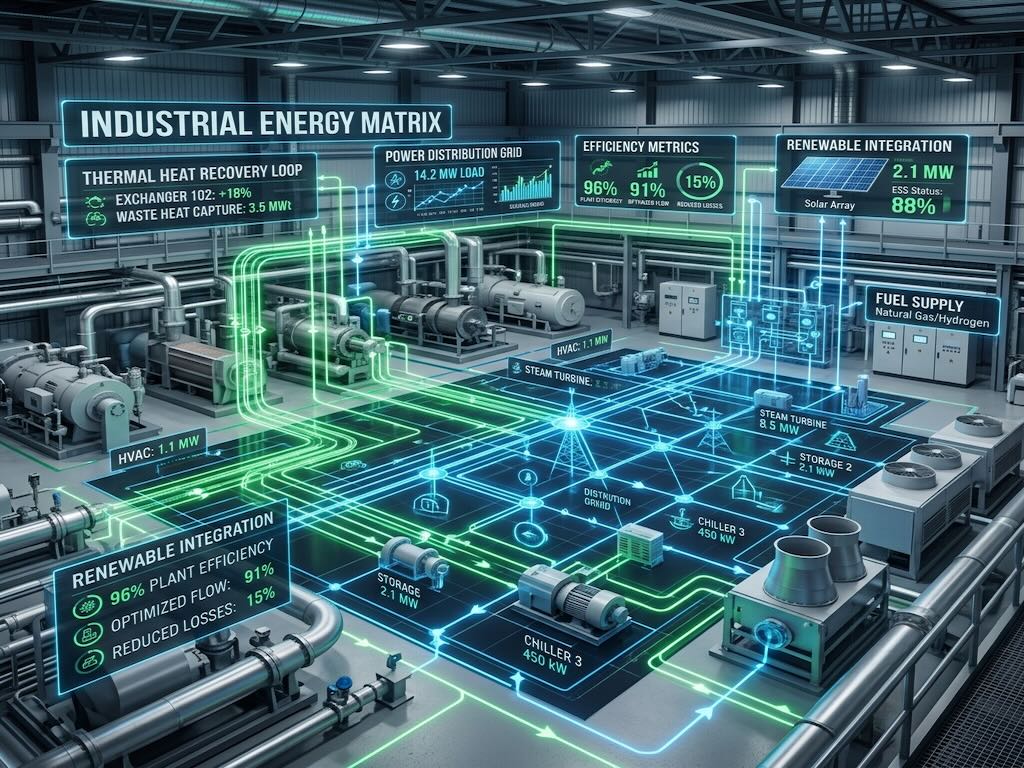
In heavy industry, the efficient generation, distribution, and recovery of heat is paramount. Thermal energy systems form the metabolic core of manufacturing plants, refineries, and large-scale commercial facilities. From massive steam boilers to complex networks of shell-and-tube heat exchangers, designing an optimized thermal network requires deep thermodynamic expertise to prevent catastrophic energy waste and ensure reliable process temperatures.
What are Thermal Energy Systems?
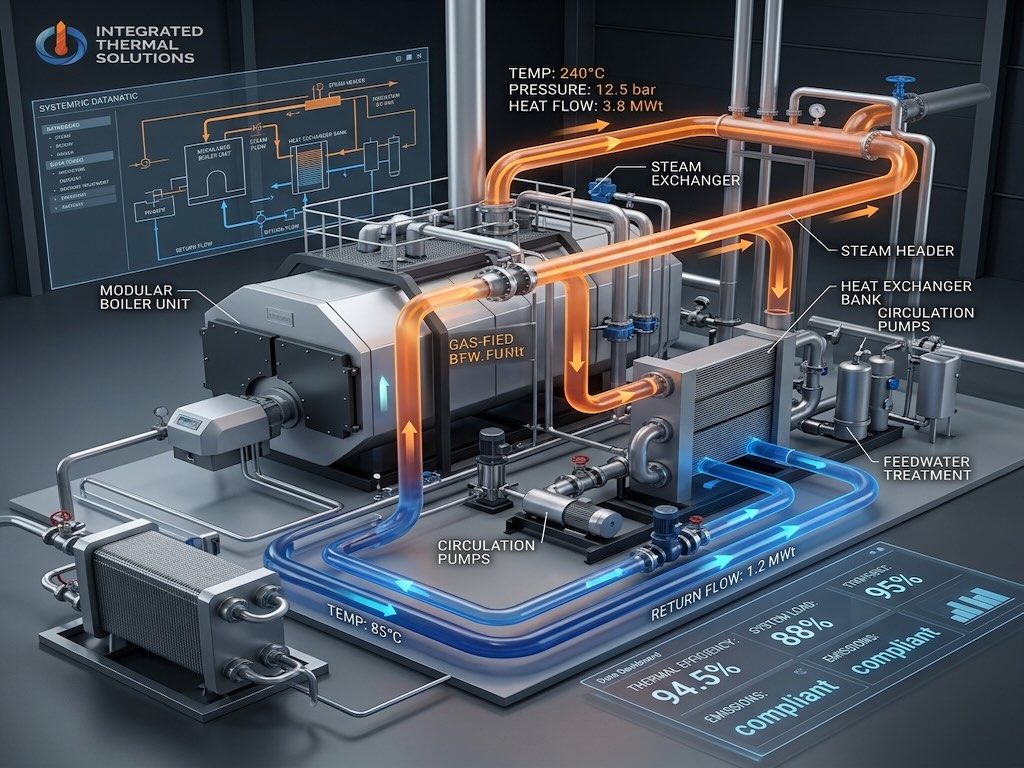
Thermal energy systems are interconnected networks of mechanical equipment designed to generate, transfer, store, and utilize heat. In industrial applications, these systems typically consist of steam or hot water boilers, piping distribution networks, heat exchangers, and energy recovery units that maintain precise process temperatures.
Core Components of an Industrial Thermal Network
Designing a robust thermal system requires integrating several distinct technologies. Each component must be precisely sized to handle both peak loads and part-load conditions efficiently.
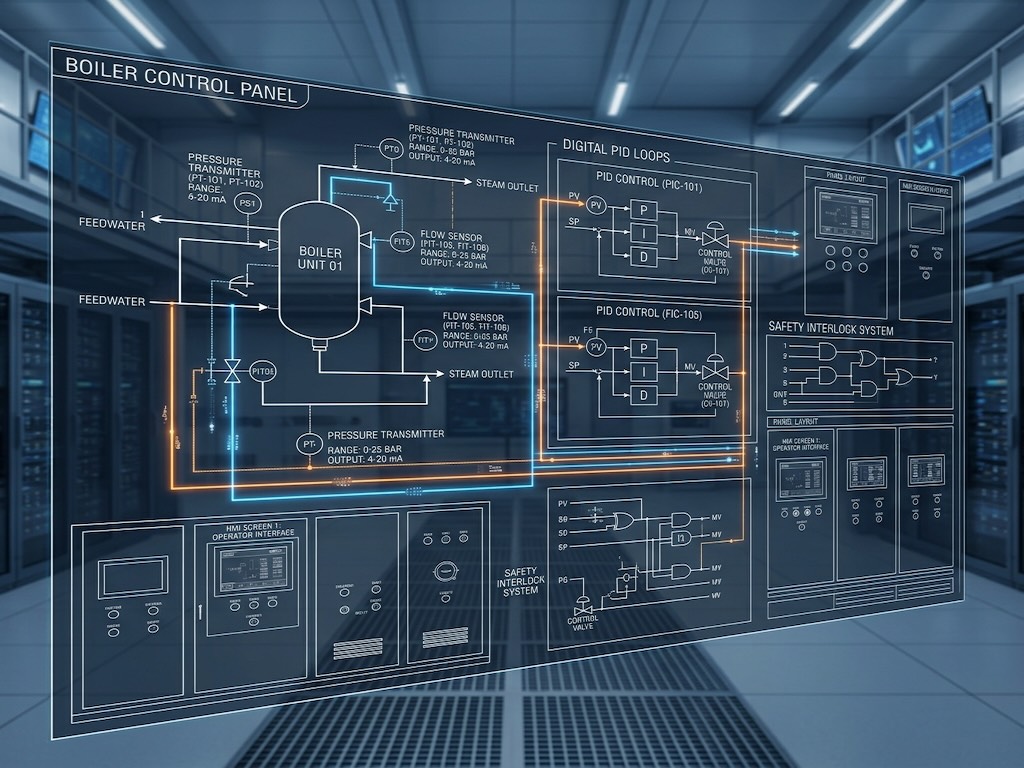
- The Heat Generator (Boilers): Whether using natural gas, biomass, or electricity, the boiler is the primary energy source. Accurate sizing is critical; engineers often use a boiler sizing calculator to determine exact kW requirements based on building volume and insulation.
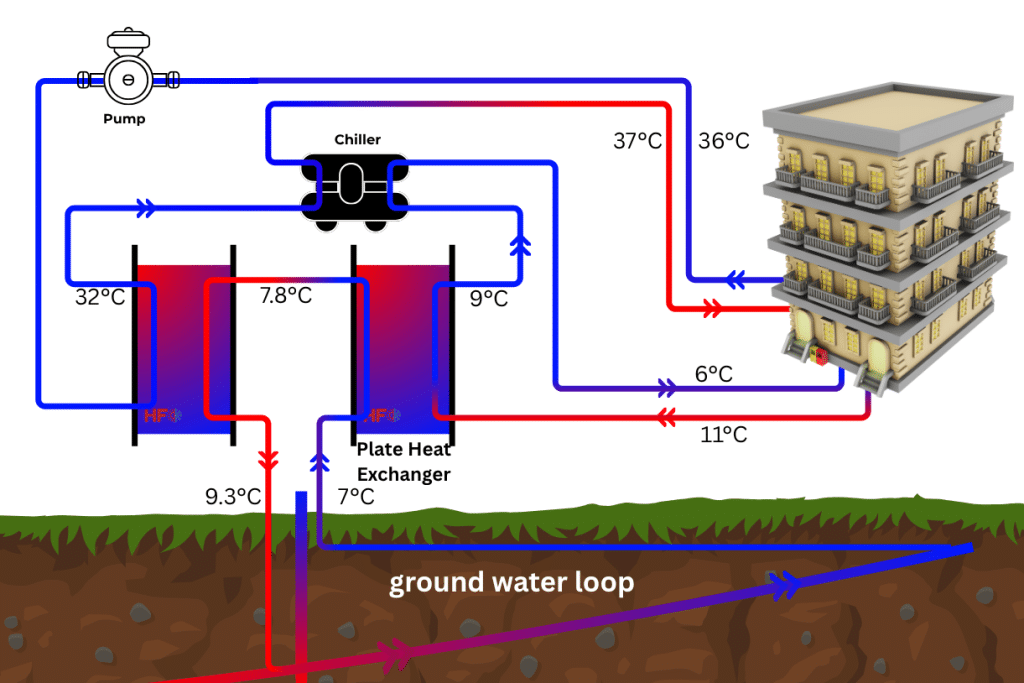
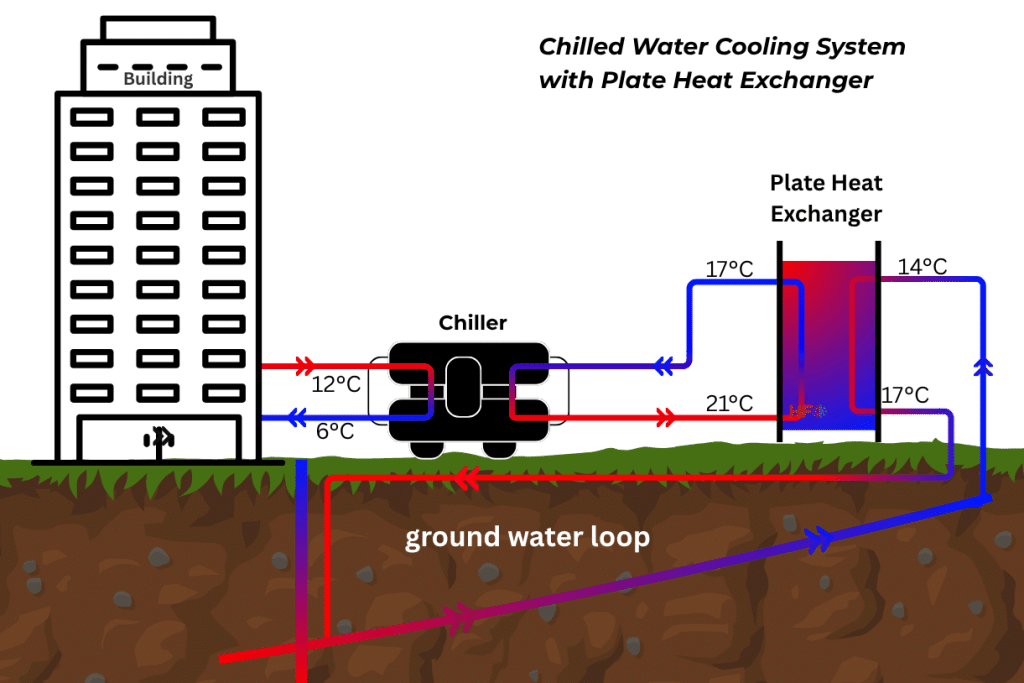
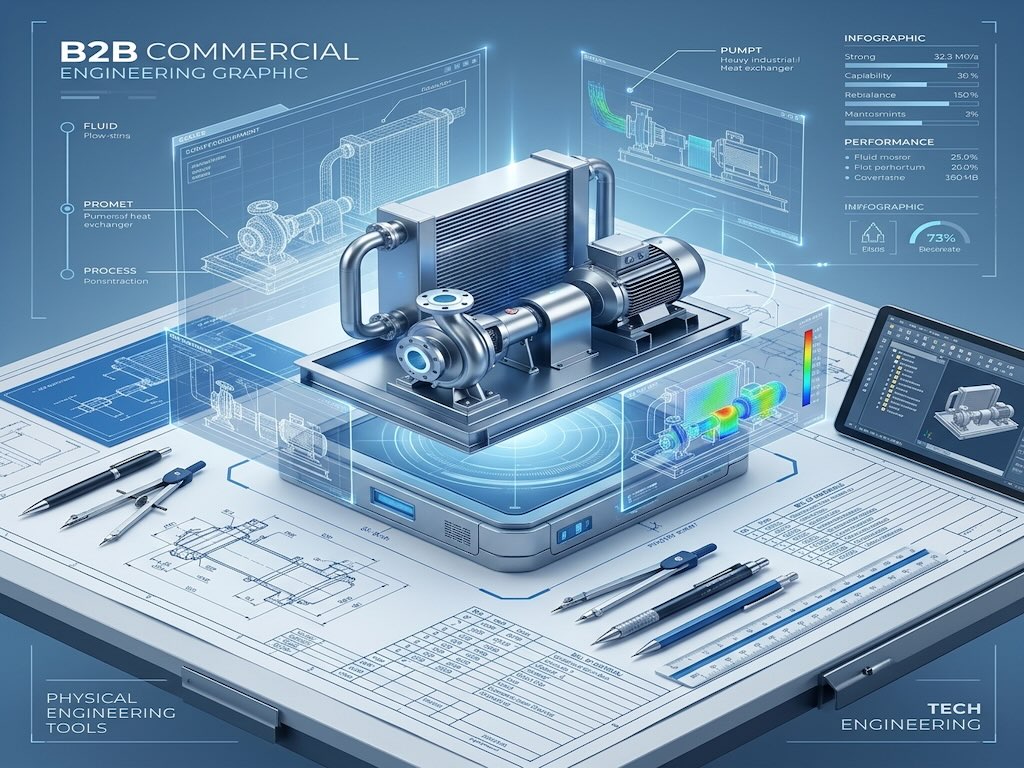
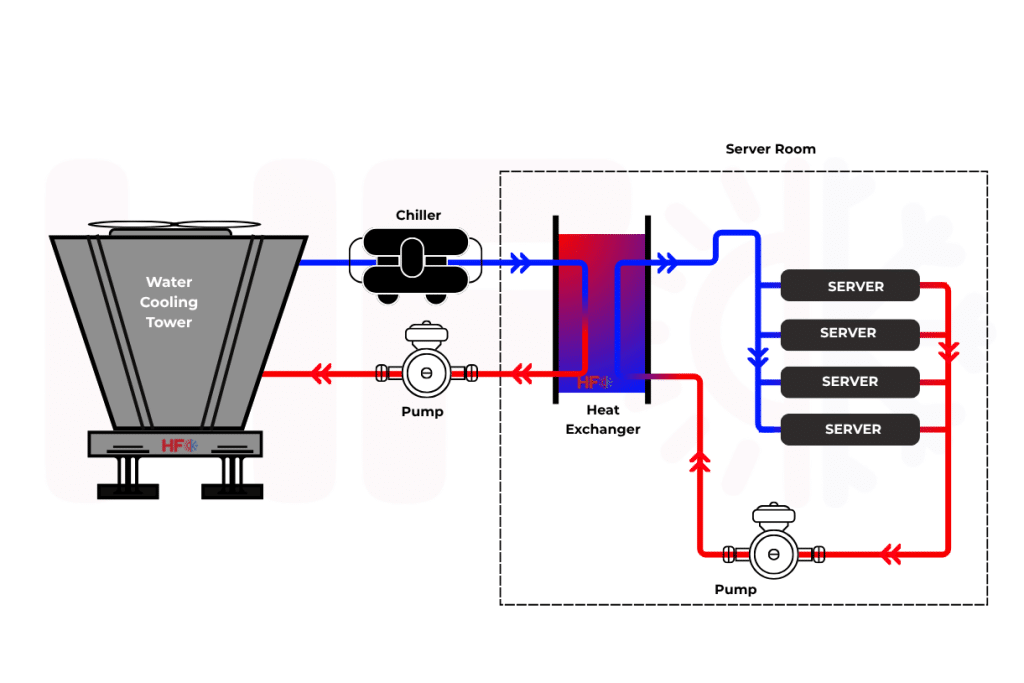
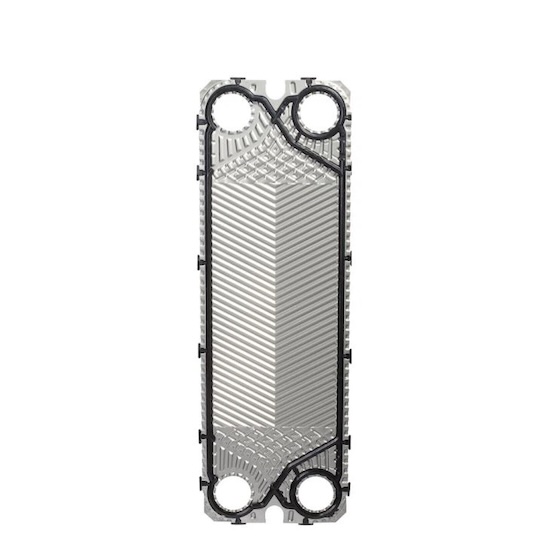
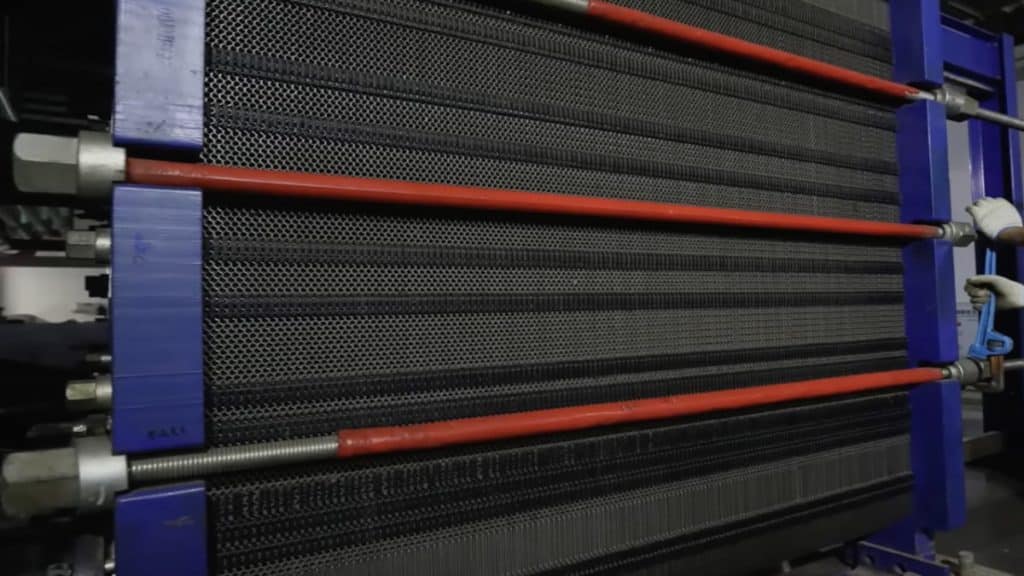
- Heat Exchangers: These devices transfer heat from the primary generation loop to the secondary process loop without mixing fluids. Proper heat exchanger design is essential for minimizing pressure drop while maximizing thermal transfer.
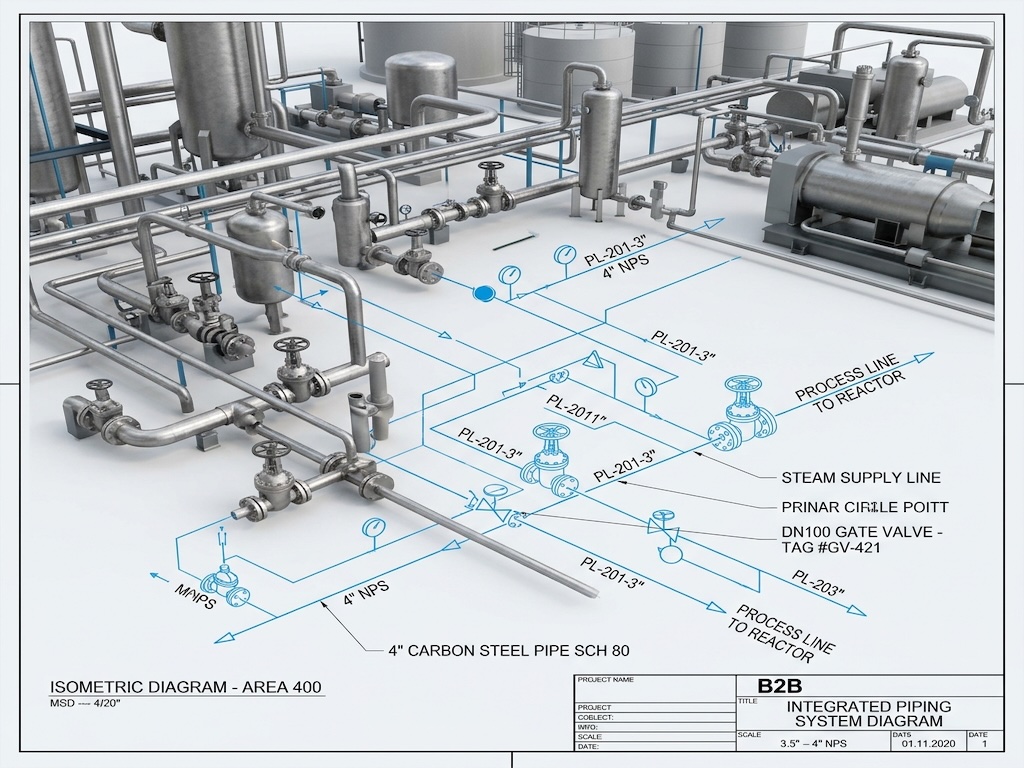
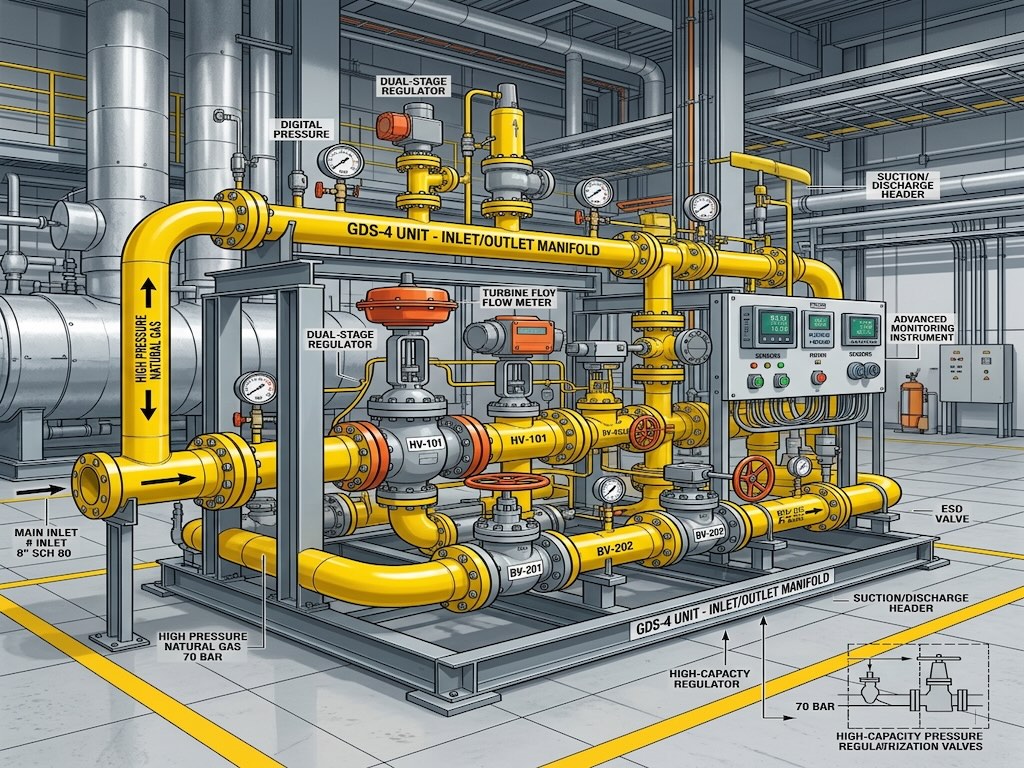
- The Distribution Network: High-pressure piping, insulated to prevent thermal loss, carries steam or thermal oil to the process equipment.
- Condensate Recovery: Capturing hot condensate and returning it to the boiler feedwater tank saves massive amounts of fuel and water treatment chemicals.
- Waste Heat Recovery Units (WHRU): Extracting heat from exhaust flues to pre-heat combustion air or feedwater, dramatically boosting overall system efficiency.
Comparing Heat Transfer Fluids
Choosing the right medium to transport heat is one of the most important decisions in thermal engineering. The choice depends heavily on the required process temperature and system pressure limits.
| Heat Transfer Fluid | Typical Temperature Range | Key Advantages | Primary Drawbacks |
|---|---|---|---|
| Water (Hydronic) | Up to 120°C (Pressurized) | High specific heat, cheap, non-toxic | Requires pressure at high temps; freezing risk |
| Steam | 120°C to 300°C+ | Massive latent heat transfer, self-propelling | Requires high-pressure vessels and strict safety codes |
| Thermal Oil (Diathermic) | Up to 400°C | High temperature at atmospheric pressure | Flammable, degrades over time, requires specialized pumps |
Frequently Asked Questions
How do you calculate thermal energy requirements?
Thermal energy requirements are calculated using the specific heat capacity formula: Q = m × c × ΔT. You must determine the mass flow rate of the fluid (m), its specific heat (c), and the required temperature difference (ΔT) to find the total required wattage (Q).
What causes thermal systems to lose efficiency?
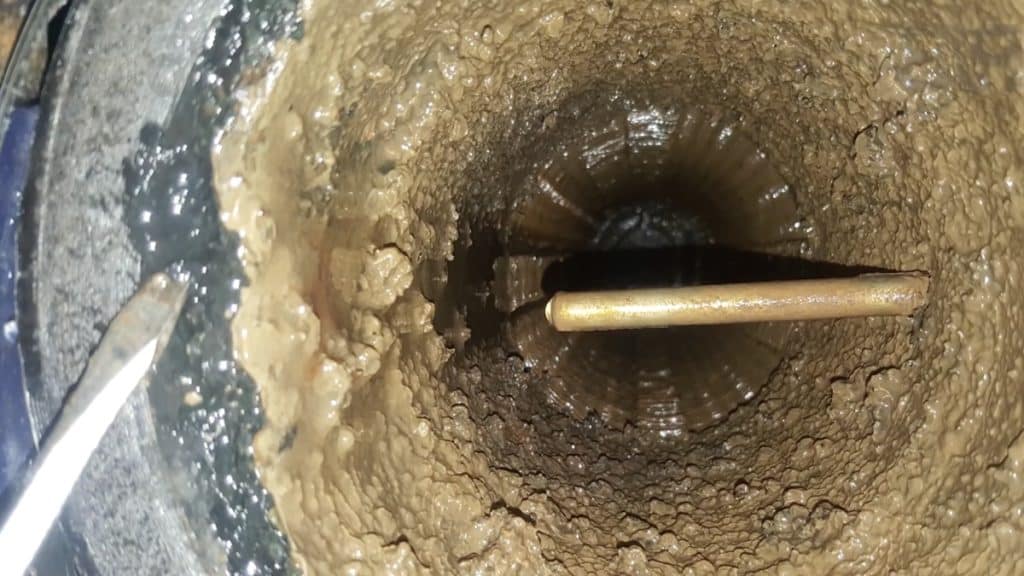
Fouling in heat exchangers and poor pipe insulation are the primary causes of efficiency loss. Scale buildup on heat exchanger tubes acts as an insulator, forcing the boiler to burn more fuel to achieve the same process temperature.
Is thermal oil better than steam?
Thermal oil is better when you need very high temperatures without high pressure. However, steam is superior when massive amounts of energy must be transferred quickly due to its high latent heat of vaporization.
How does an economizer work on a boiler?
An economizer is a heat exchanger placed in the boiler’s exhaust stack. It captures waste heat from the exiting flue gases and uses it to pre-heat the incoming cold boiler feedwater, instantly improving efficiency by 5-10%.
Optimize Your Thermal Network
A poorly designed thermal system bleeds money every hour it operates. At Heating Formula, our engineering consultants specialize in thermodynamic modeling, boiler sizing, and complex heat recovery integration to ensure your plant runs at peak profitability.