
HTRI: The Gold Standard for Heat Exchanger Thermal Rating
A heat exchanger that looks correct on paper but fails to transfer the required energy in operation is one of the costliest mistakes in industrial plant commissioning. HTRI (Heat Transfer Research, Inc.) is the only software in the world backed by decades of proprietary experimental data on real industrial heat exchangers — giving our engineers the confidence to design for actual performance, not just theoretical ideals. It sits at the core of our static equipment design services and operates in direct coordination with our broader engineering design and consultancy workflow.
What is HTRI Software?
HTRI Xchanger Suite is the industry-leading thermal rating and design software for all types of industrial heat exchangers. Unlike general-purpose simulators, HTRI’s calculation methods are built directly from experimental measurements on full-scale industrial equipment, delivering the most accurate predictions of heat transfer coefficients, pressure drops, and fouling behavior available in any commercial software.
When a process simulation in ASPEN HYSYS specifies that a heat exchanger must transfer 10 MW of heat, HTRI is the tool that determines exactly how many tubes, what diameter, what length, and which baffle cut configuration will physically achieve that duty in the real world — accounting for fouling, flow-induced vibration, and pressure drop constraints.
Heat Exchanger Types HTRI Covers
HTRI Xchanger Suite is not limited to shell and tube exchangers. It provides rigorous thermal rating for virtually every heat exchanger type used in heavy industry.
- Shell & Tube Heat Exchangers (STHE): Full TEMA-standard rating covering E, F, G, H, J, K, and X shell types with multi-pass configurations.
- Air-Cooled Heat Exchangers (Air Coolers): Thermal and mechanical rating of forced and induced draft air coolers, including fin efficiency and air flow distribution.
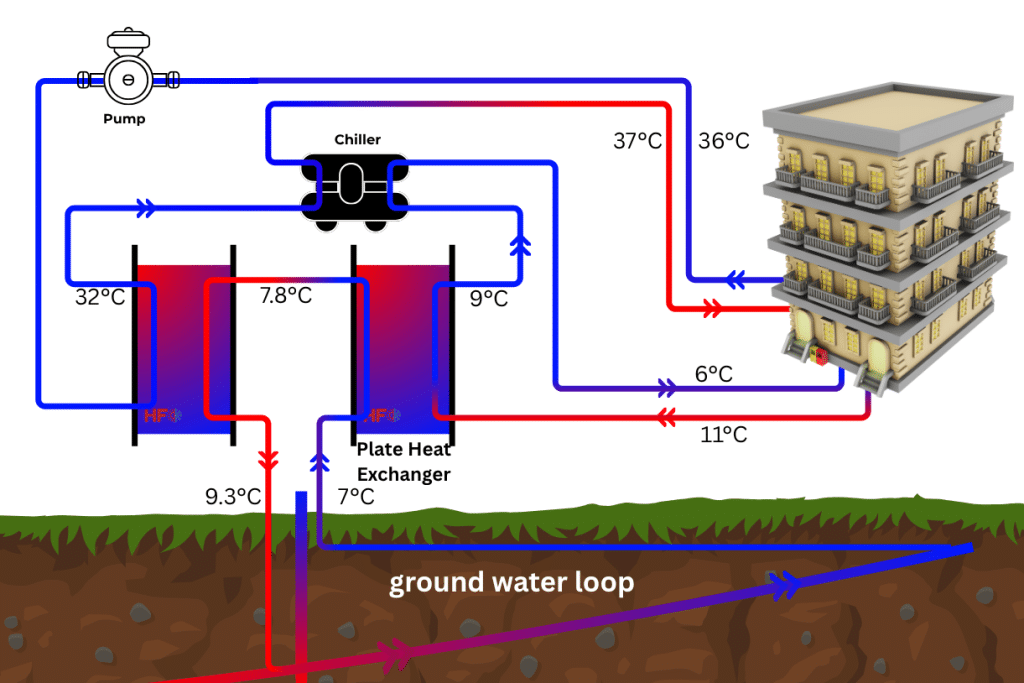
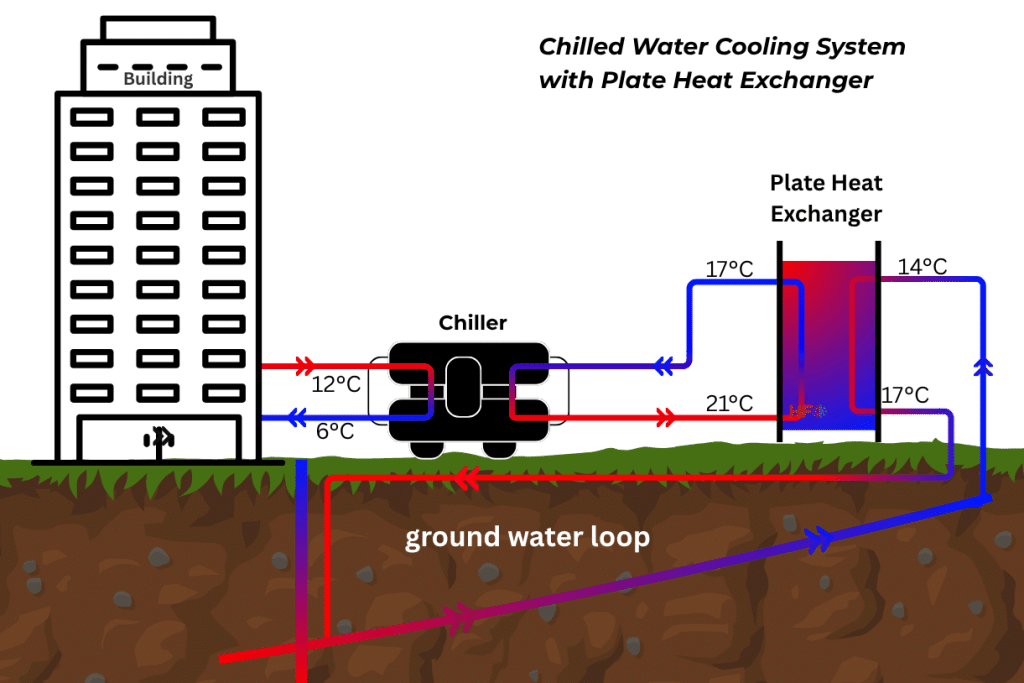
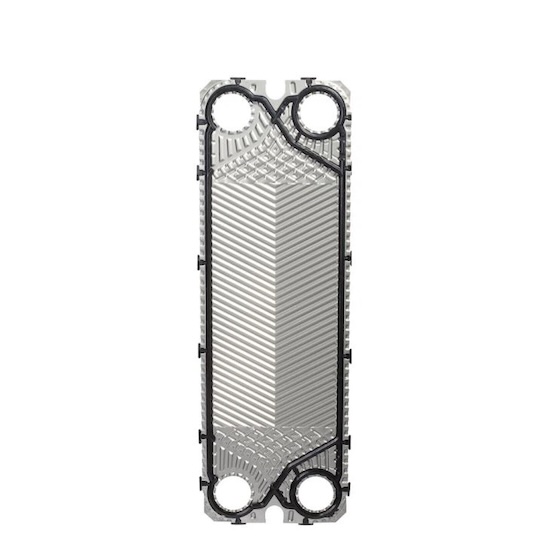
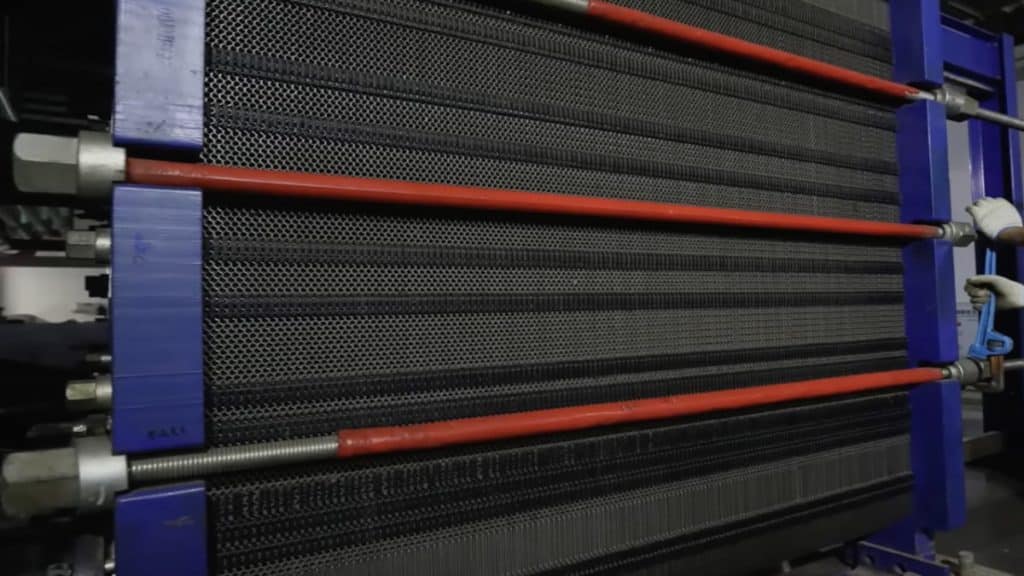
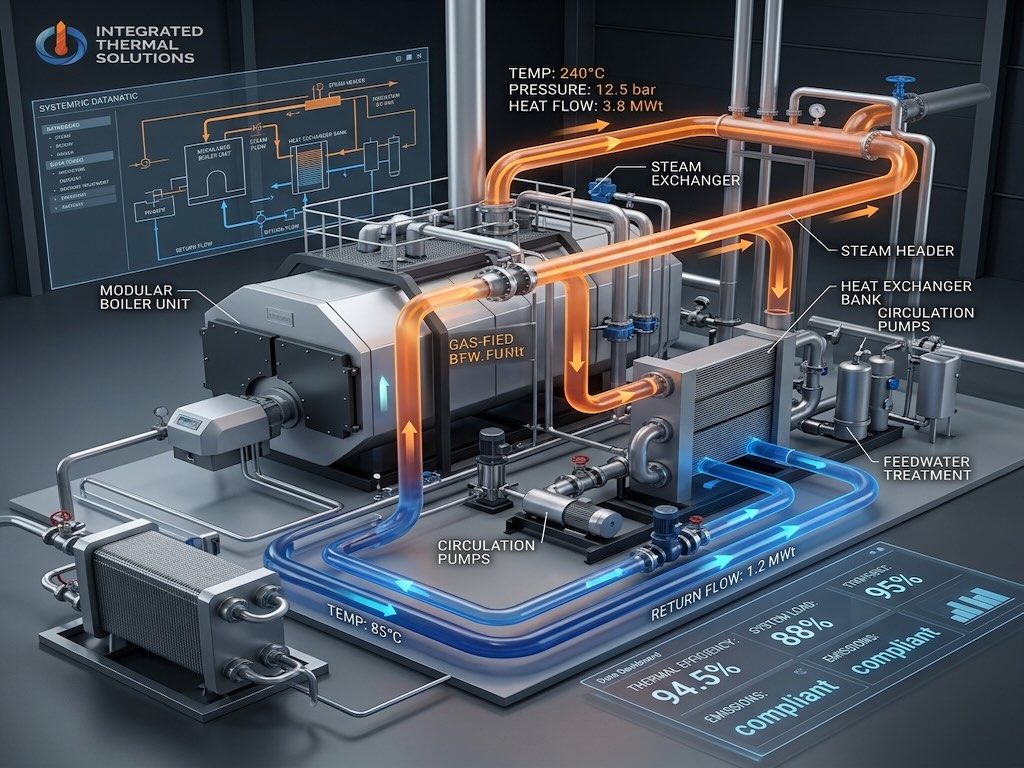
- Plate Heat Exchangers: Rating and selection of gasketed and brazed plate exchangers for high-efficiency liquid-to-liquid duties.
- Fired Heaters: Radiant and convection section design for direct-fired process heaters and reformers.
- Condensers & Reboilers: Rigorous two-phase modeling for partial condensers, total condensers, and kettle reboilers with accurate vapor-liquid equilibrium integration.
HTRI vs. Simple Heat Exchanger Calculations
| Design Factor | Simple Hand Calculations | HTRI Xchanger Suite |
|---|---|---|
| Heat Transfer Coefficient | Generic LMTD with assumed overall U-value | Rigorous shell-side and tube-side film coefficients from experimental data |
| Fouling Prediction | TEMA table values applied uniformly | Service-specific fouling models calibrated from real plant measurements |
| Flow-Induced Vibration | Not checked | Full Tubular Exchanger Manufacturers Association (TEMA) vibration analysis |
| Two-Phase Flow | Simplified correlations, high uncertainty | Flow regime-specific correlations validated against industrial data |
| Oversizing Risk | High — engineers add arbitrary safety margins | Low — precise area calculations minimize unnecessary excess area |
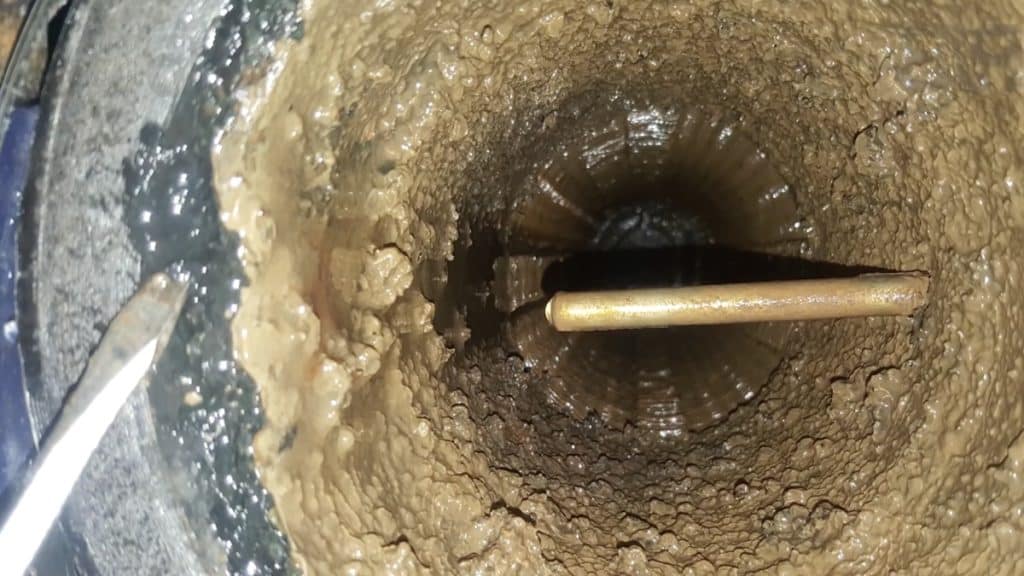
Engineering Warning: A chronically fouling heat exchanger is almost always a design error, not an operating problem. If the fouling resistance assumed during design was too low, the exchanger will underperform within months of startup. HTRI’s fouling models eliminate this guesswork.
How HTRI Integrates with Our Full Engineering Workflow
HTRI does not operate in isolation — it is the precision bridge between process simulation and mechanical fabrication. Here is how it connects to the broader engineering chain in our process design workflow:
- Process duty received from HYSYS — heat load, inlet/outlet temperatures, flowrates, and compositions extracted from the simulation model.
- HTRI thermal rating performed — tube count, diameter, length, shell diameter, and baffle spacing optimized to meet the duty within allowable pressure drop.
- Flow-induced vibration checked — HTRI’s vibration analysis flags any tube bundle configurations at risk of tube-to-baffle impact or acoustic resonance.
- HTRI output feeds PV Elite — the confirmed geometry (shell ID, tube count, tube length, nozzle sizes) is entered into PV Elite for full ASME mechanical design.
- Datasheet issued for procurement — the verified thermal and mechanical datasheet enters our technical bid evaluation process for vendor selection.
Frequently Asked Questions
-
What does HTRI stand for?
HTRI stands for Heat Transfer Research, Inc. — a nonprofit research consortium founded in 1962, whose members include the world’s leading oil companies, chemical producers, and engineering firms. The research data underpinning HTRI software represents over 60 years of industrial heat exchanger measurements.
-
Why is HTRI more accurate than manual calculations?
HTRI’s calculation methods are developed and continuously refined from experimental measurements on full-scale industrial heat exchangers under real process conditions — not idealized laboratory setups. This gives its fouling, two-phase flow, and heat transfer correlations a level of real-world accuracy that no hand calculation or generic simulator can match.
-
What is flow-induced vibration in heat exchangers?
Flow-induced vibration (FIV) occurs when shell-side fluid velocity causes individual heat exchanger tubes to oscillate. If not caught at the design stage using HTRI’s vibration analysis, FIV leads to tube-to-baffle wear, tube failures, and catastrophic leaks in as little as a few months of operation.
-
Can HTRI design air coolers?
Yes. HTRI’s ACE (Air Cooled Exchanger) module performs complete thermal rating of forced and induced draft air coolers, including fin geometry optimization, air velocity distribution, and fan power calculations.
Precision Thermal Engineering for Every Heat Exchanger
Whether you need a new shell and tube heat exchanger designed from scratch, a failing unit re-rated to understand its true capacity, or a fouling root-cause analysis, our HTRI-certified engineering team delivers the most accurate thermal analysis available. Explore our full static equipment design and analysis services to see how HTRI fits into our complete mechanical design offering.