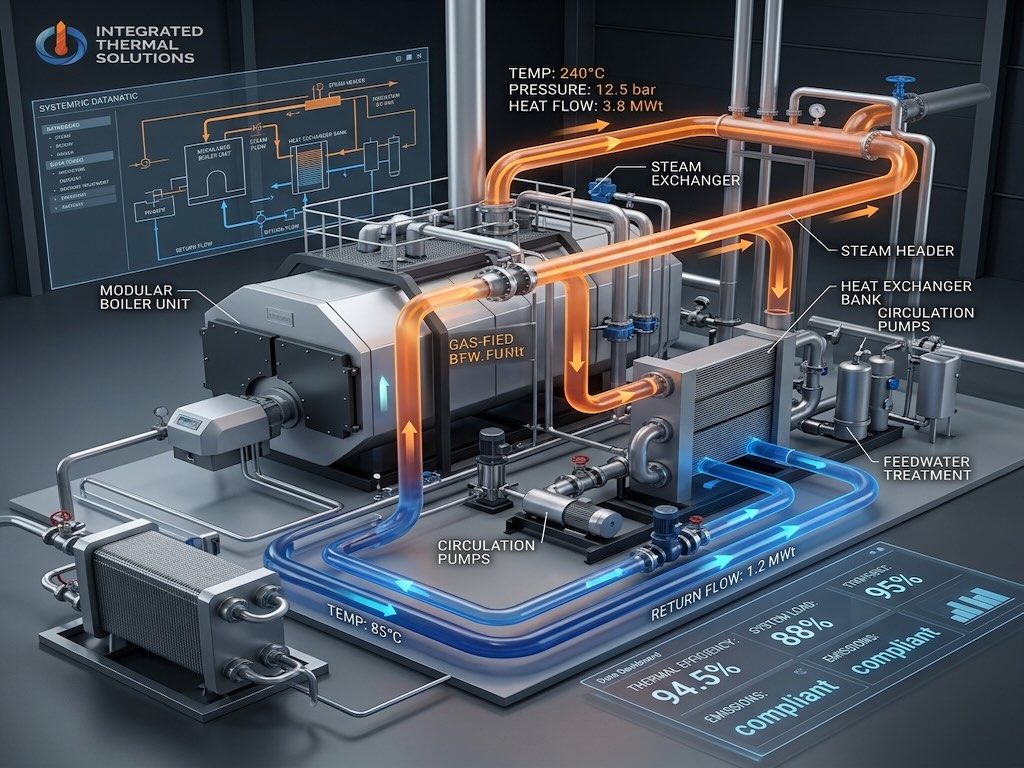
Excellence in Mechanical Design and Engineering for Industrial Equipment
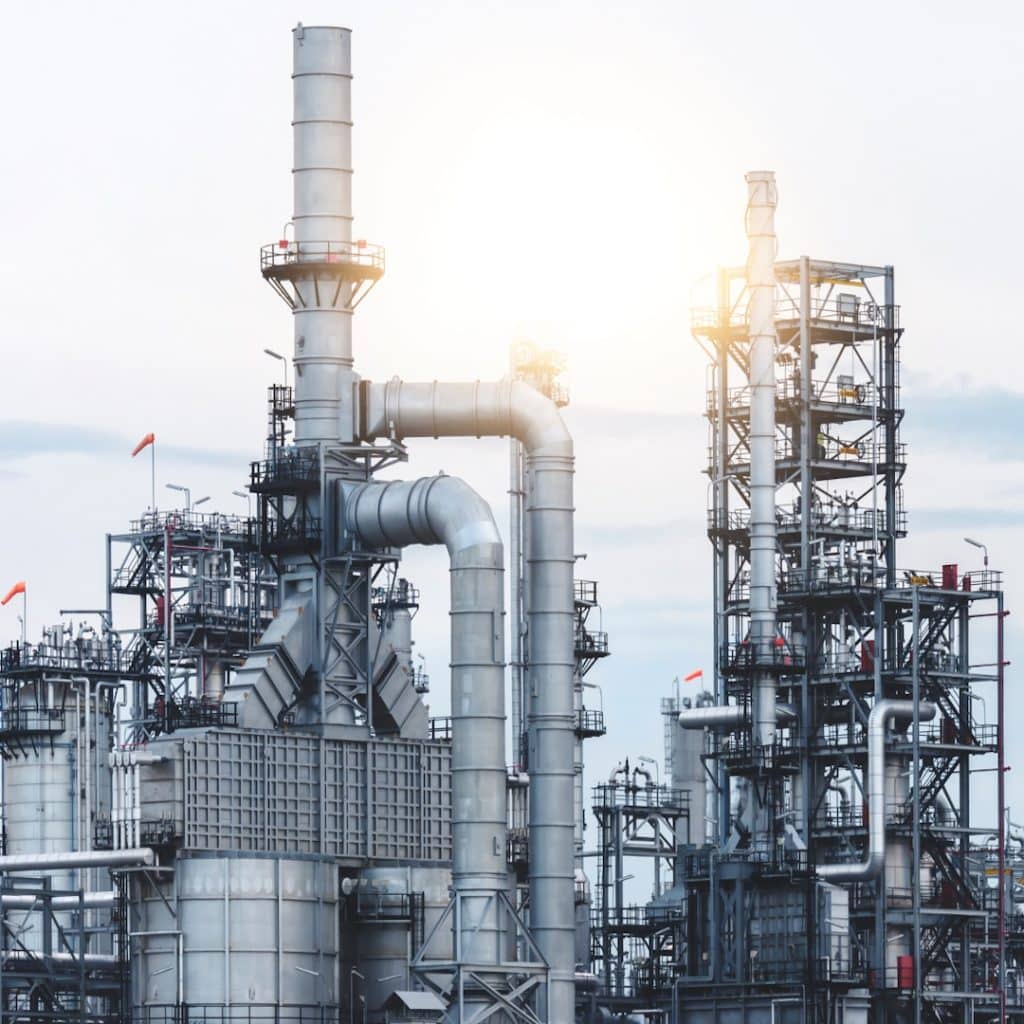
In the heavy industrial sector, the leap from a conceptual process flow to a tangible, functioning facility relies entirely on rigorous mechanical design and engineering. Whether you are constructing a towering distillation column or a compact modular skid, mechanical engineering ensures that the physical equipment can withstand extreme pressures, corrosive fluids, and thermal expansion without catastrophic failure.
What is Mechanical Design and Engineering?
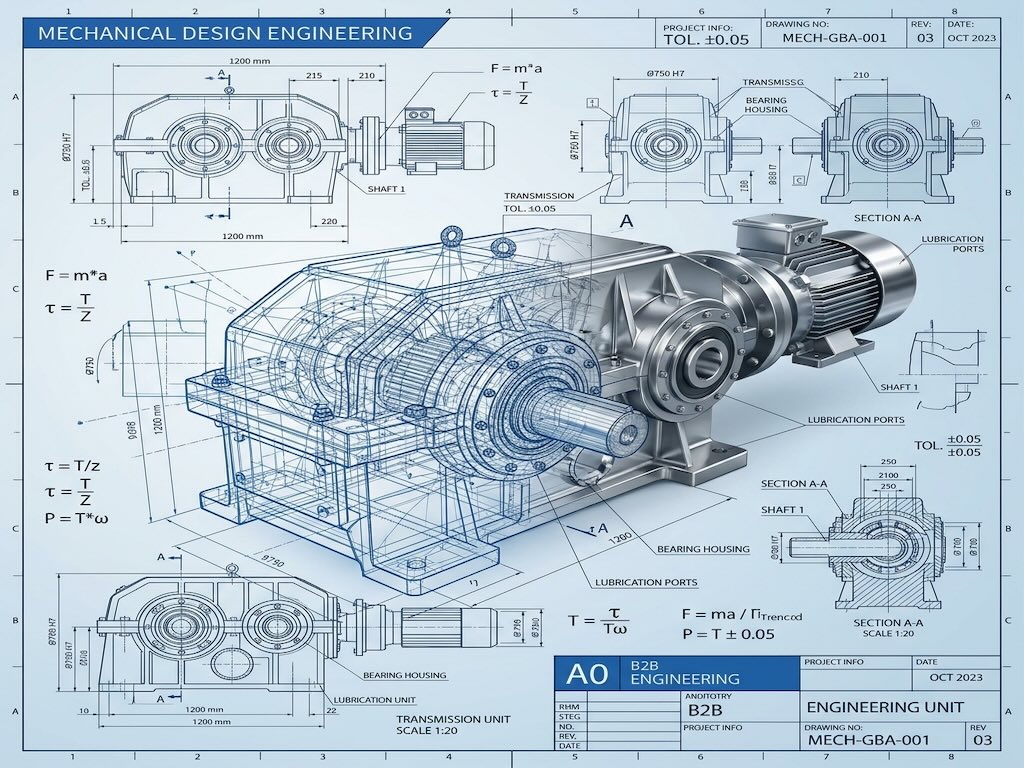
Mechanical design and engineering in an industrial context is the discipline of translating process requirements into physical, manufacturable equipment. It involves calculating material thickness for pressure containment, performing finite element analysis (FEA) for structural integrity, and producing highly detailed 3D CAD models and fabrication drawings for manufacturing.
Core Competencies of Industrial Mechanical Design
A successful engineering project requires a multidisciplinary approach, but mechanical design is the cornerstone of equipment safety and longevity. Here are the primary focus areas when engineering industrial components:
- Pressure Vessel Design (ASME): Calculating exact shell and head thicknesses to contain high-pressure gases and liquids safely using PV Elite or Compress software.
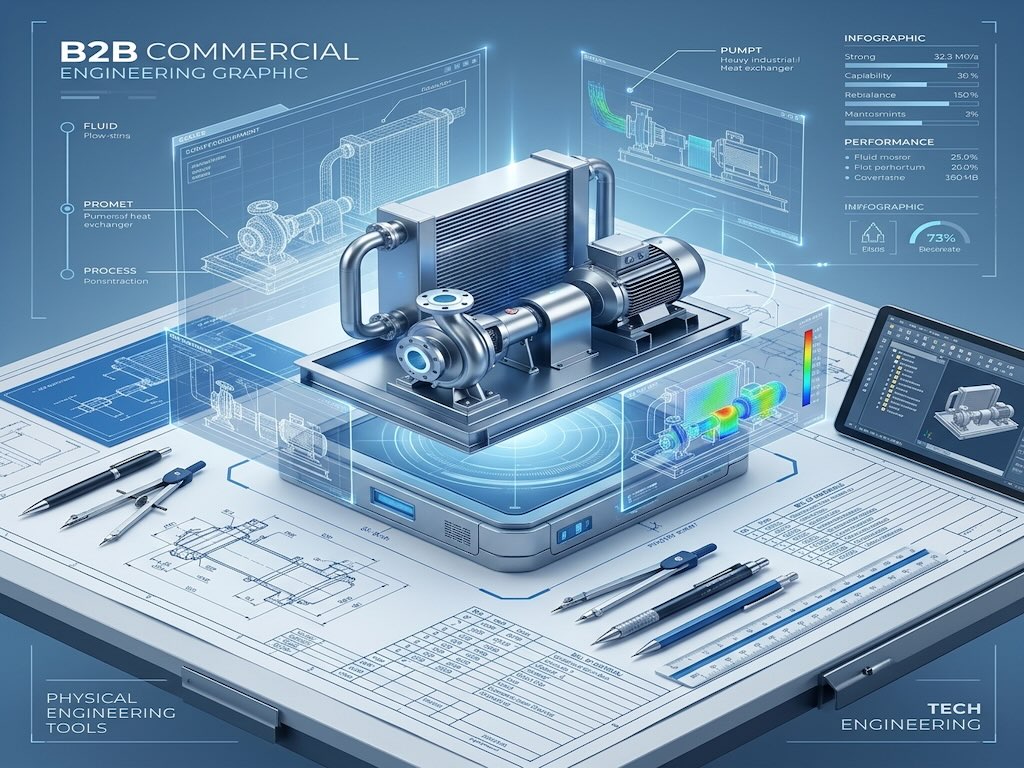
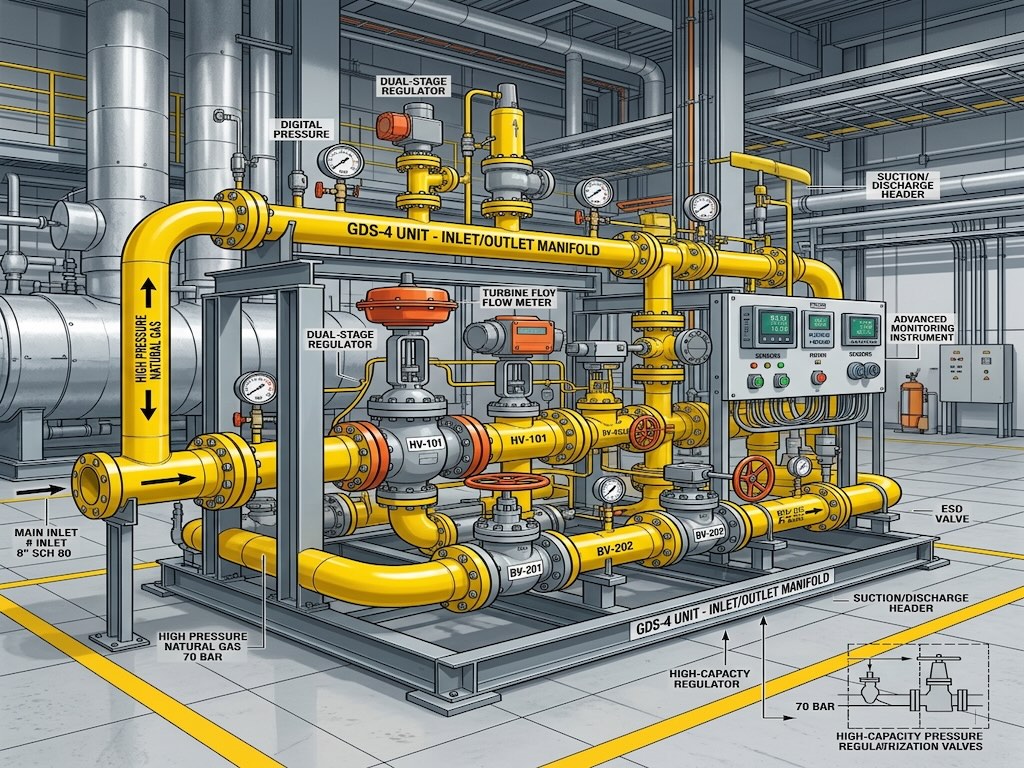
- Modular Skid Packaging: Utilizing 3D modular skid design to arrange pumps, heat exchangers, and piping onto a single transportable steel frame, drastically reducing field installation time.
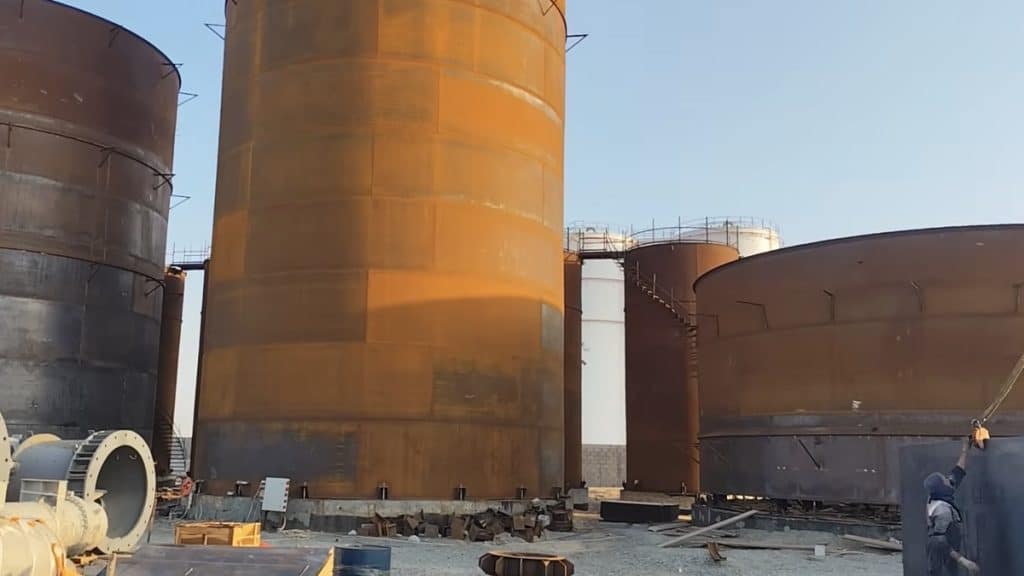
- Tall Tower Engineering: Designing columns and towers requires complex calculations to account for wind loads, seismic activity, and the massive weight of internal liquid trays.
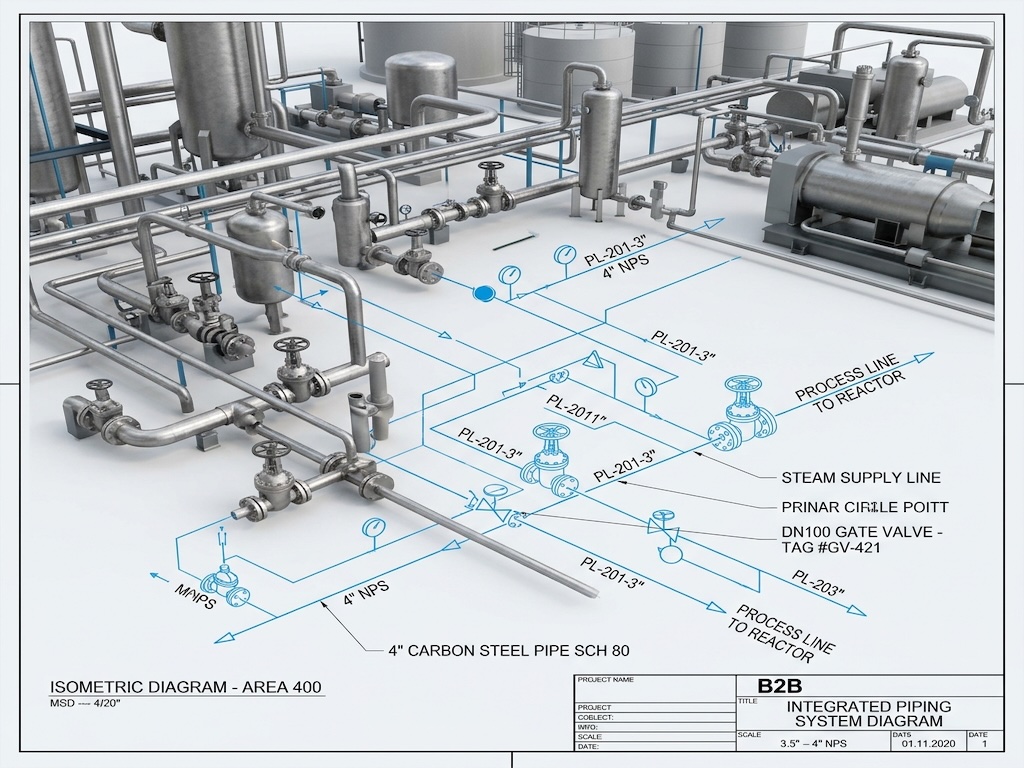
- Piping Stress Analysis: Using software like CAESAR II to ensure that thermal expansion and vibration do not crack pipes or destroy pump nozzles.
- Material Selection: Determining the correct metallurgy (e.g., Carbon Steel vs. Duplex Stainless Steel) to prevent corrosion based on the specific chemical process.
2D Drafting vs. 3D Mechanical Modeling
Modern engineering relies heavily on digital tools. While older facilities may still use 2D drawings, 3D modeling is now the industry standard for reducing errors.
| Feature | 2D AutoCAD Drafting | 3D CAD Modeling (e.g., SolidWorks, Inventor) |
|---|---|---|
| Visualization | Requires high technical skill to interpret flat views. | Instantly intuitive; stakeholders can “walk through” the model. |
| Clash Detection | Manual and highly prone to human error. | Automated; software instantly flags if a pipe hits a steel beam. |
| Bill of Materials | Must be counted manually from drawings. | Automatically generated directly from the model data. |
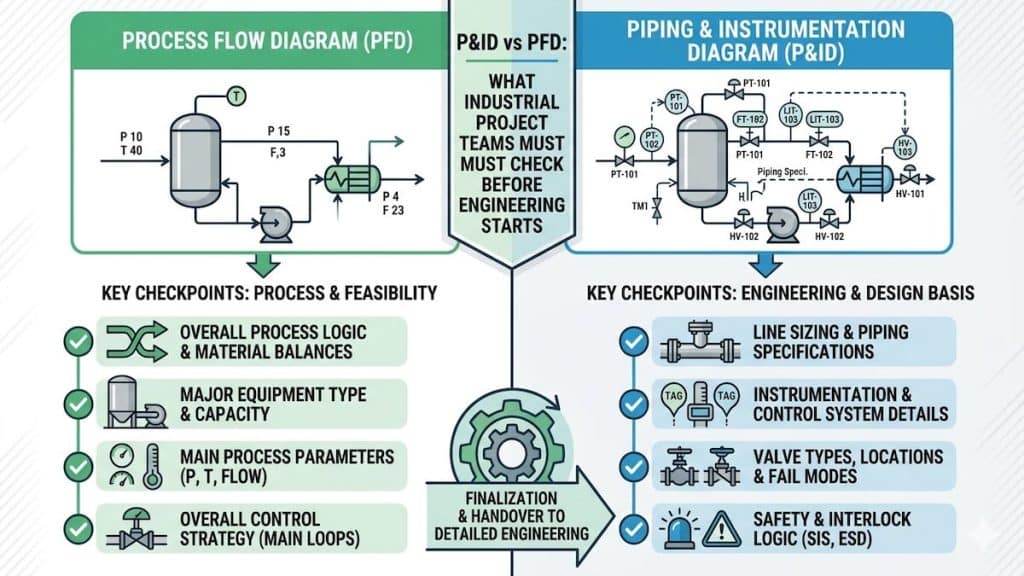
| Best Use Case | Simple P&IDs and electrical schematics. | Complex piping layouts, equipment design, and modular skids. |
Frequently Asked Questions
Why is piping stress analysis necessary?
Pipes expand significantly when heated by process fluids. Piping stress analysis calculates this thermal expansion to ensure that pipes do not buckle, tear away from supports, or exert destructive forces on connected equipment like pumps and turbines.
What does a mechanical design engineer do on a plant project?
They convert the process engineer’s flow data into physical equipment specs. They size the vessels, select the pumps, route the piping, and generate the final blueprints that the fabrication shop uses to build the plant.
What is Finite Element Analysis (FEA)?
FEA is a computerized method for predicting how a part reacts to real-world forces like heat, vibration, and pressure. It breaks down a complex 3D model into thousands of small elements to simulate where structural failure is most likely to occur.
Why are modular skids becoming more popular than stick-building?
Modular skids are built in a controlled factory environment rather than a messy construction site. This allows for higher welding quality, easier testing, and vastly reduces the expensive labor time required at the final installation location.
Expert Mechanical Engineering Solutions
From complex pressure vessel calculations to full 3D plant layouts, robust mechanical design and engineering is non-negotiable for industrial safety and longevity. Heating Formula provides elite engineering services to ensure your equipment is designed to the highest international codes.