If your heat exchangers are operating in high-chloride, acidic, or elevated-temperature environments and SS316 is no longer performing — but titanium feels like overkill on cost — SMO254 may be exactly the material you have been looking for.
SMO254 (UNS S31254) is a super-austenitic stainless steel with exceptional corrosion resistance in chloride-rich environments. Heating Formula supplies SMO254 heat exchanger plates to Russia from Turkey in OEM and certified equivalent grades.
What is SMO254 and how does it differ from standard stainless steel?
SMO254 contains 6% molybdenum and 0.2% nitrogen — significantly more than SS316 (2% Mo). This gives it a PREN (Pitting Resistance Equivalent Number) above 42, compared to approximately 24 for SS316. In practical terms, SMO254 can operate in chloride environments where SS316 would suffer pitting corrosion within months.
Key characteristics of SMO254:
- PREN > 42 — outstanding resistance to pitting and crevice corrosion
- High tensile strength — allows use of thinner plates without sacrificing performance
- Resistance to stress corrosion cracking
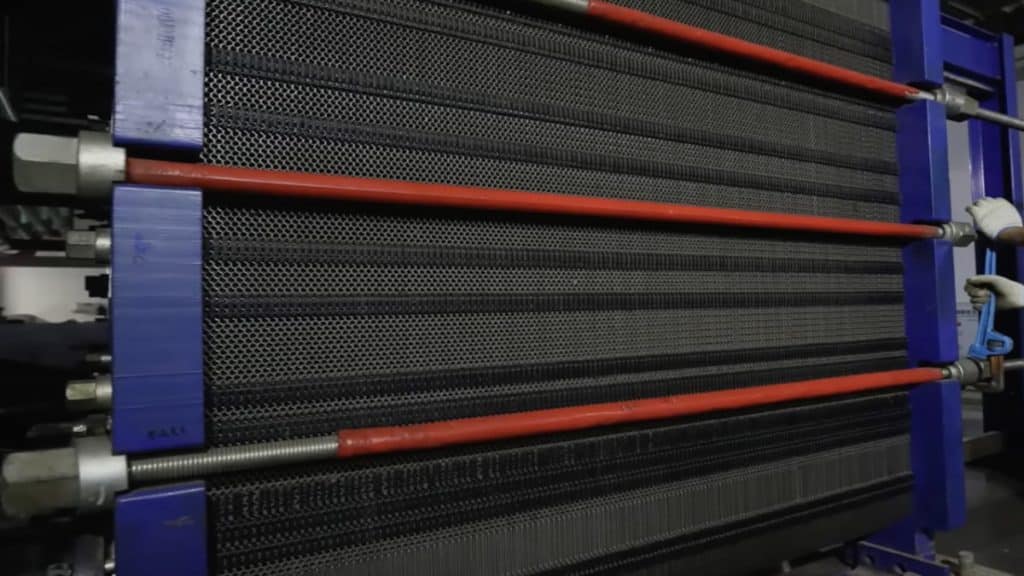
- Compatible with most standard plate heat exchanger frame systems on the market
Where SMO254 is used in industry
Chemical industry
Production of acetic acid, chlorides, solvents, and fluoropolymers — exactly the environments where SMO254 delivers the best performance-to-cost ratio.
Pulp and paper manufacturing
Bleaching agents and sulphite liquors create an extremely aggressive chloride environment. SMO254 significantly extends the service life of heat exchange equipment in these applications.
Desalination plants
In reverse osmosis and evaporative desalination systems, SMO254 is a standard material for seawater pre-heaters, offering a cost-effective alternative to titanium.
FGD systems (flue gas desulphurisation)
Aggressive chloride-laden slurries require materials with high PREN. SMO254 is widely used here as a more economical alternative to Hastelloy alloys.
SMO254 vs other materials: when to choose which
| Operating condition | Recommended material |
|---|---|
| Water, HVAC, mild chemistry | SS316 |
| Seawater, high chloride concentration | Titanium or SMO254 |
| Medium chloride concentration, acids | SMO254 |
| Mixed acids, reducing environments | Hastelloy C-276 |
Frequently asked questions
How is SMO254 referenced in equipment specifications?
SMO254 is also known as UNS S31254, 1.4547 (European designation), and Avesta 254 SMO (trade name). Please check which designation your documentation uses when placing an order.
Can SS316 plates be replaced with SMO254 without modifying the frame?
In most cases yes, provided the plate geometry is maintained. Our engineers will verify compatibility based on your specification before confirming the order.
What is the lead time for SMO254 delivery to Russia?
Typically 3–5 weeks from order confirmation. For urgent requirements, contact us to check current stock availability.
SMO254 is a strategically important material for plants operating in aggressive chloride environments. If you want to extend your heat exchanger service intervals and reduce maintenance costs, contact us for a tailored material recommendation. We supply from Turkey to Russia with full material certification and competitive lead times.
🔧 Get expert material advice
📦 Browse our specialty alloy plate range
🧮 Heat exchanger calculator
Request SMO254 plates
Provide your heat exchanger model and required quantity — we’ll respond with a full proposal including material certificates.
Select Brand
What Do You Need?
Select the type of spare parts required.
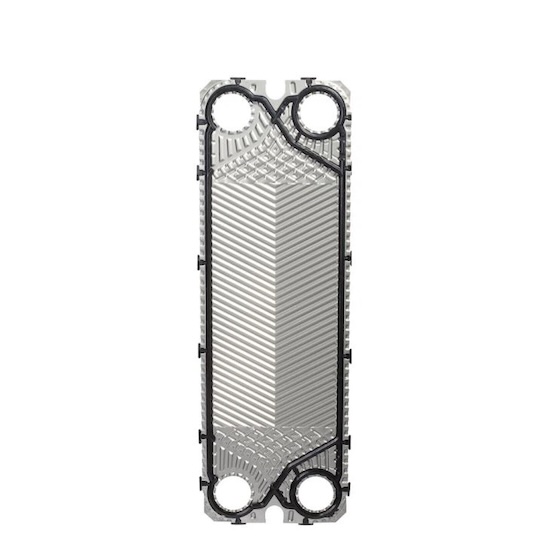 Plates Only
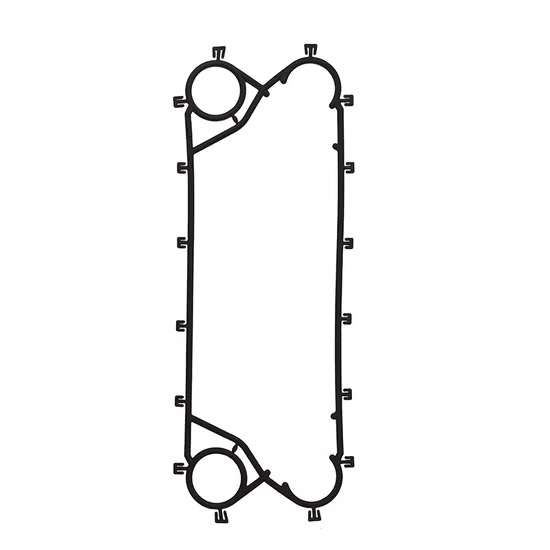 Gaskets Only
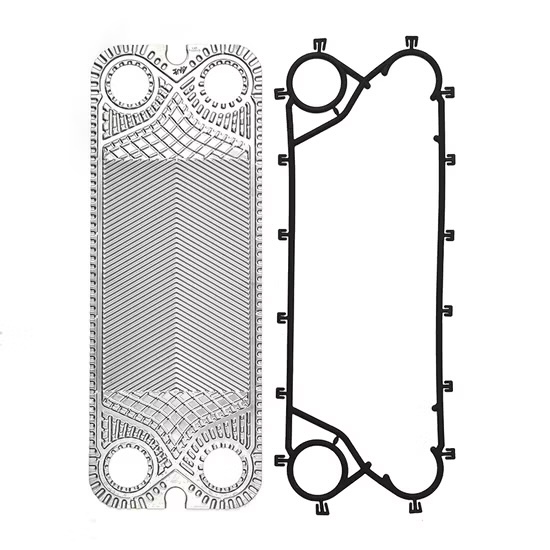 Plates & Gaskets
Specifications
Enter quantities and select material.
Plates
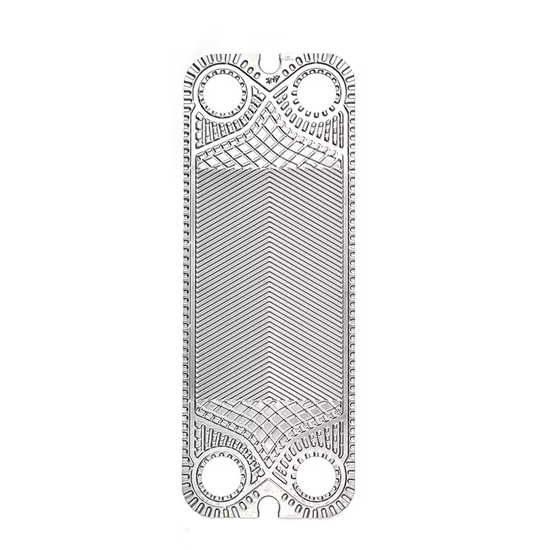 Flow Plate
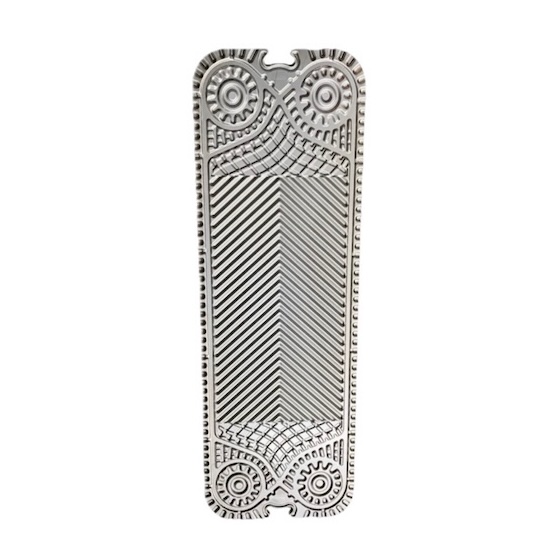 End Plate
Plate Material
Gaskets
Flow Gasket
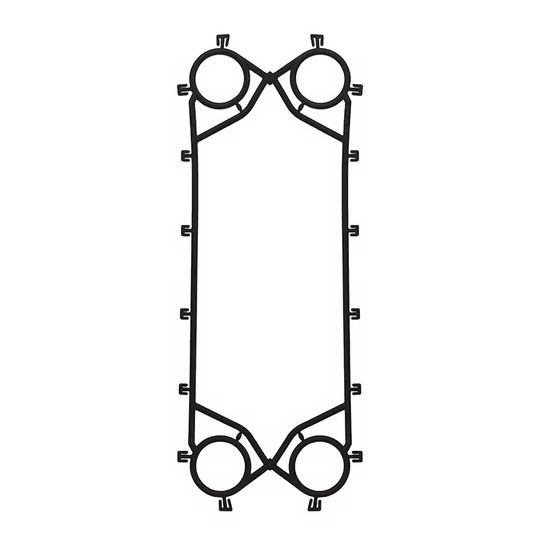 End Gasket
Gasket Material
Your Details
We'll contact you with a quotation. Fields marked * are required.
Review Your Selection ▼
Inquiry Sent!
Thank you. We will review your inquiry and get back to you shortly.