The Definitive Guide to Industrial Process Engineering and Plant Design
In the world of manufacturing, refining, and chemical production, industrial process engineering is the invisible force that turns raw materials into valuable products safely and profitably. It bridges the gap between laboratory chemistry and full-scale commercial manufacturing. From initial heat and mass balance calculations to advanced 3D modeling and static equipment design, mastering industrial process engineering is the key to minimizing downtime and maximizing yield.
What is Industrial Process Engineering?
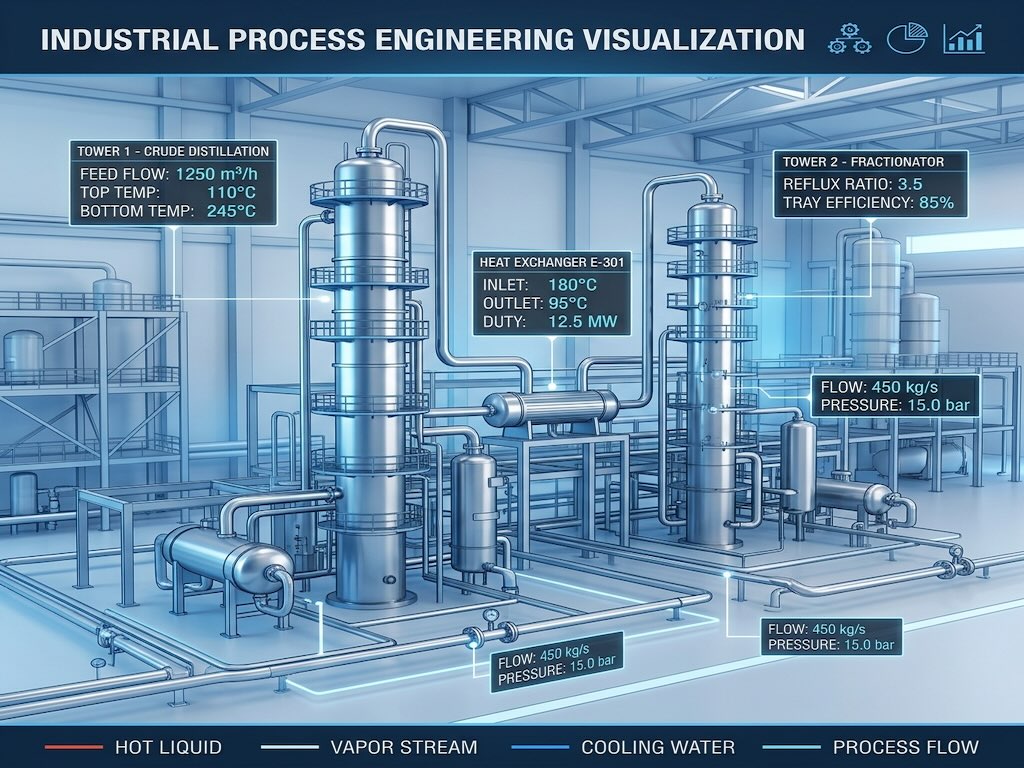
Industrial process engineering is the systematic design, operation, and optimization of physical and chemical processes. It involves calculating mass and energy balances, selecting appropriate static and rotating equipment, and ensuring the entire plant operates safely, efficiently, and in compliance with environmental regulations.
The 5 Core Stages of Process Plant Design
Successful industrial process engineering projects follow a rigorous, phased approach. Skipping steps often leads to catastrophic budget overruns or safety failures. Here is how a professional engineering consultancy handles plant design:
- Feasibility Study & Concept Design: Determining if the chemical process is commercially viable. This phase establishes the initial mass and heat balance equations.
- Process Design Simulation: Using advanced software (like HYSYS or Aspen) to model the thermodynamic behavior of the fluids and gases under various pressure and temperature conditions. See more on process design engineering.
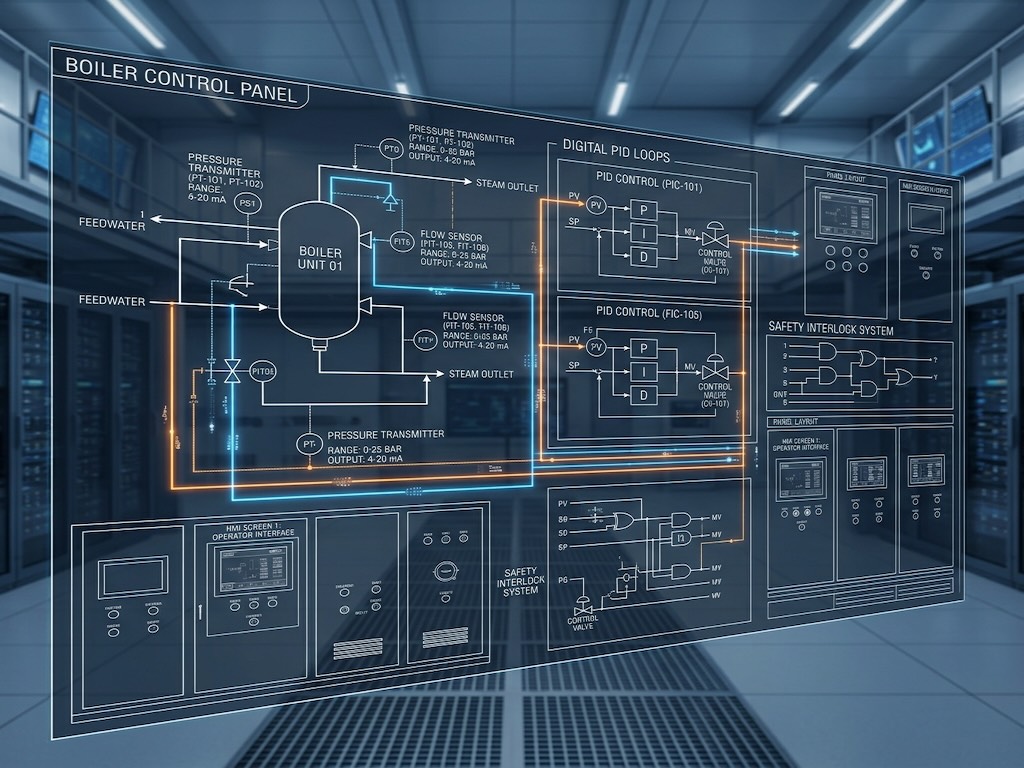
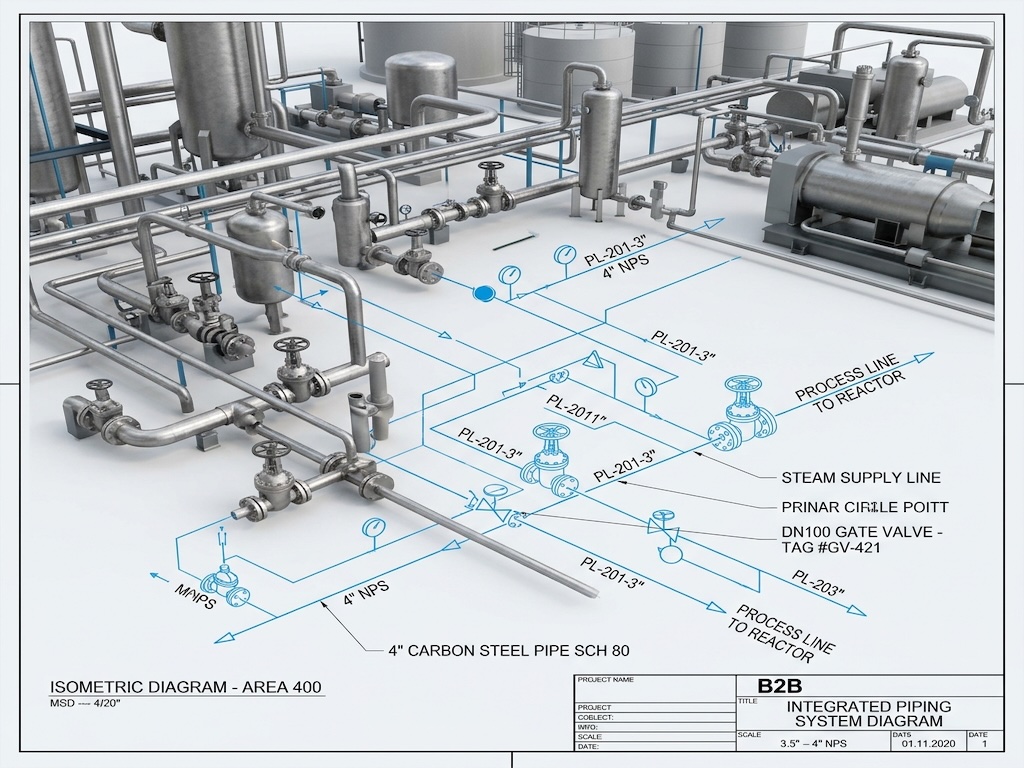
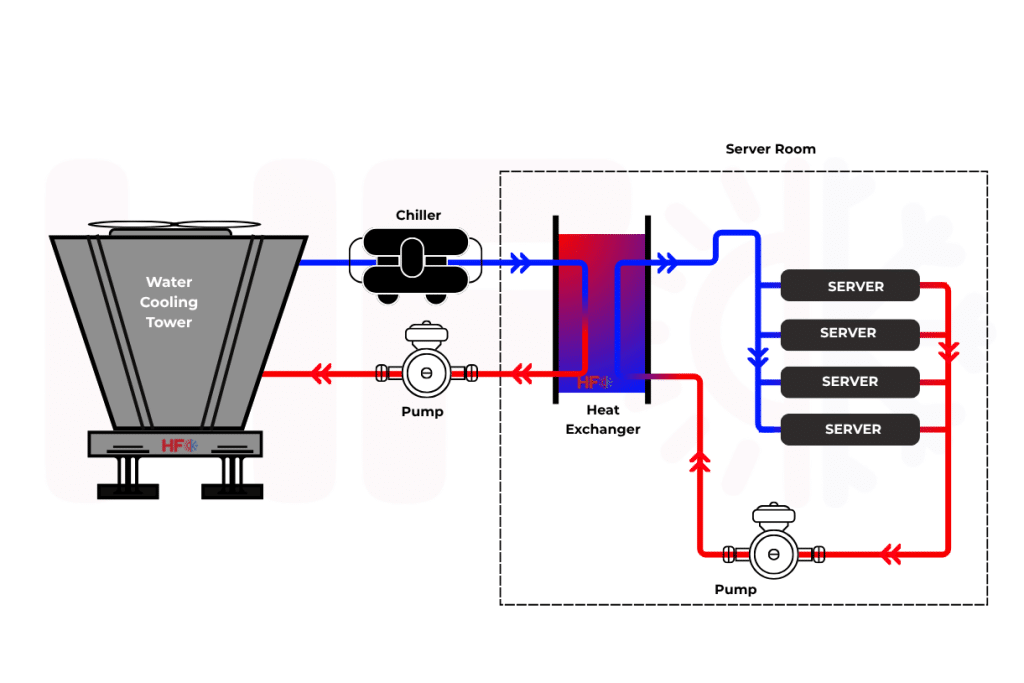
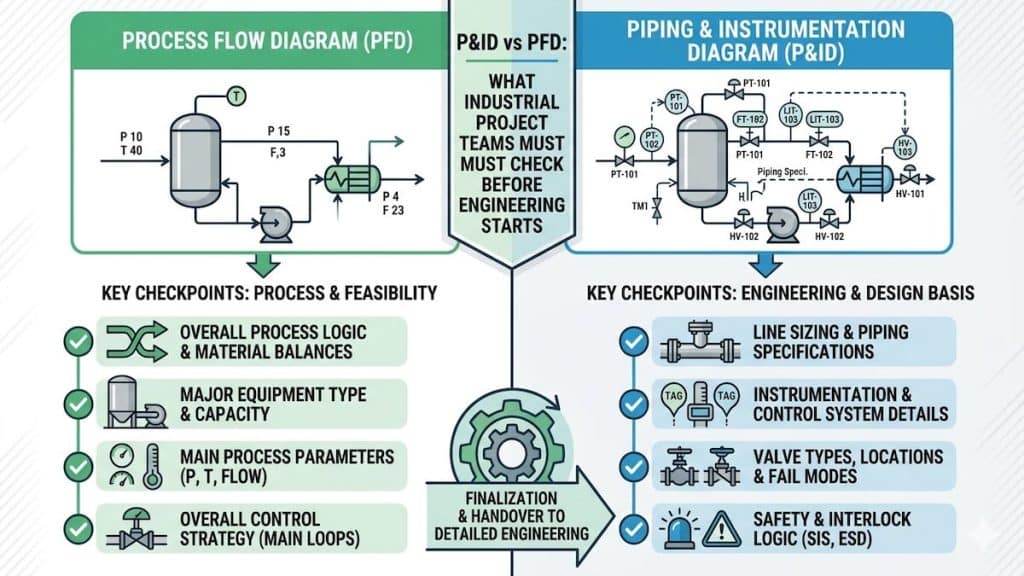
- PFD and P&ID Development: Translating the simulation data into definitive Process Flow Diagrams and Piping and Instrumentation Diagrams.
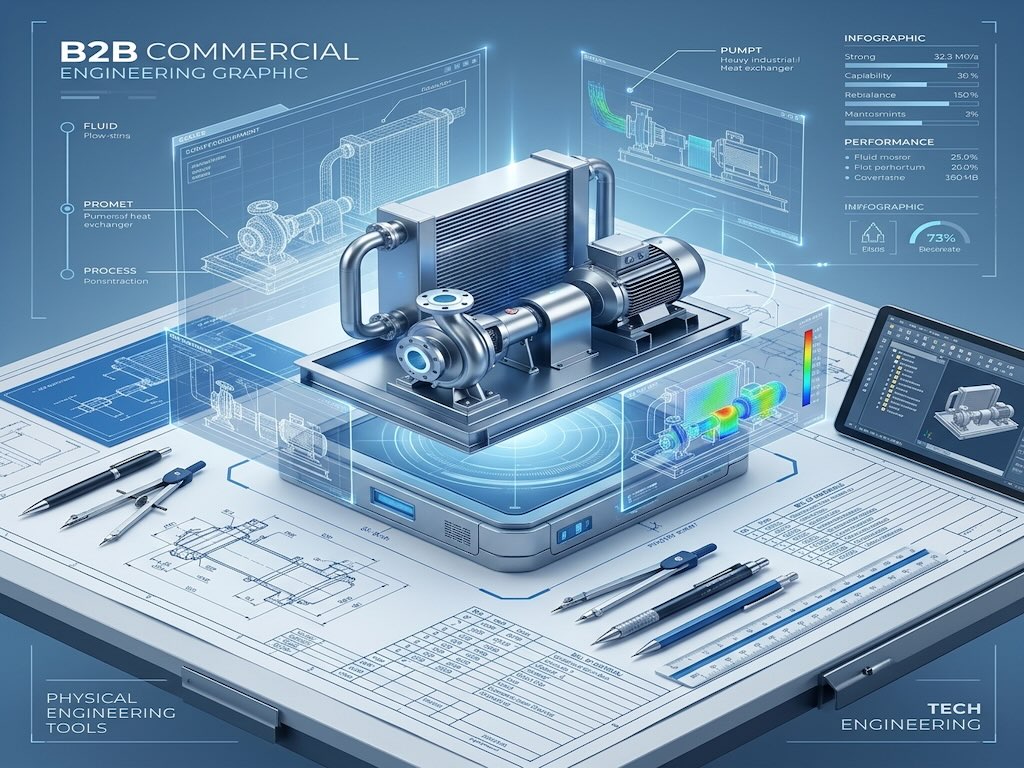
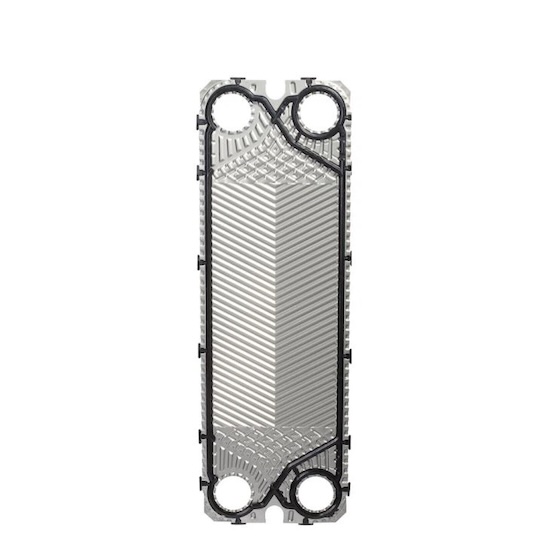
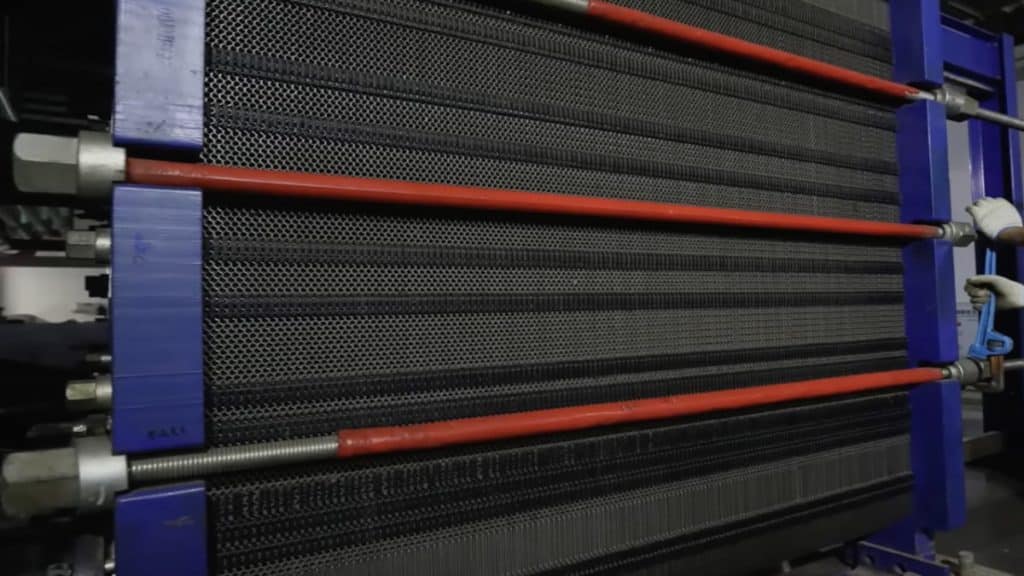
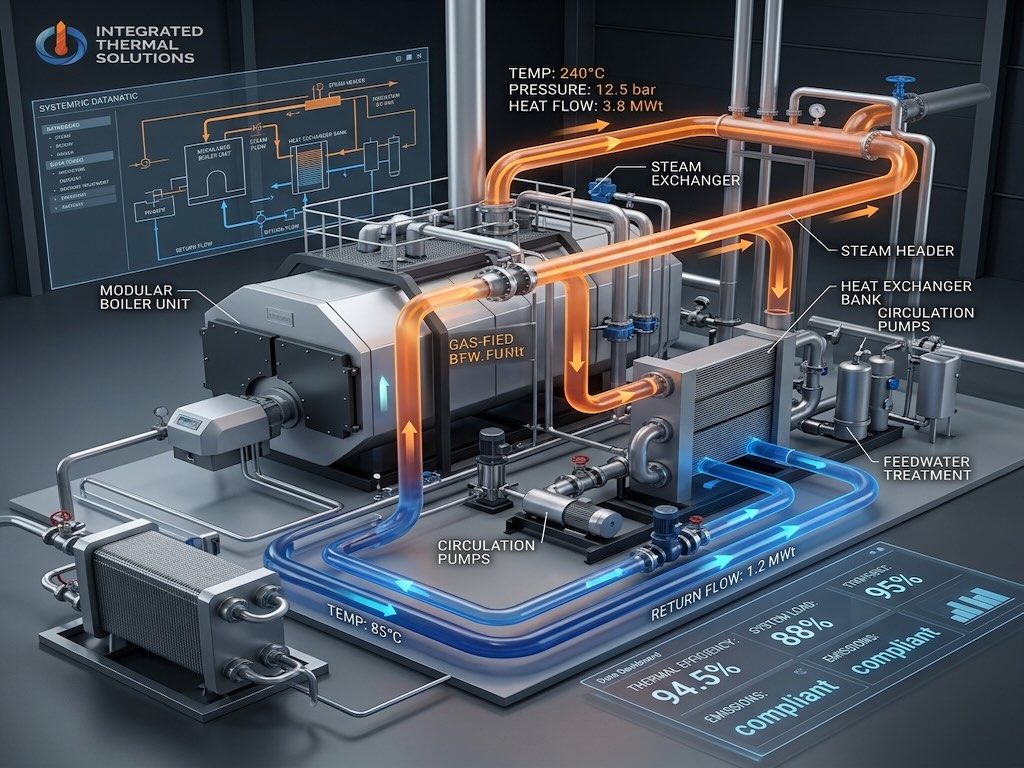
- Static Equipment Design: Precisely sizing the vessels, columns, and heat exchangers required. Engineers often use a heat exchanger calculator to establish initial thermal duties.
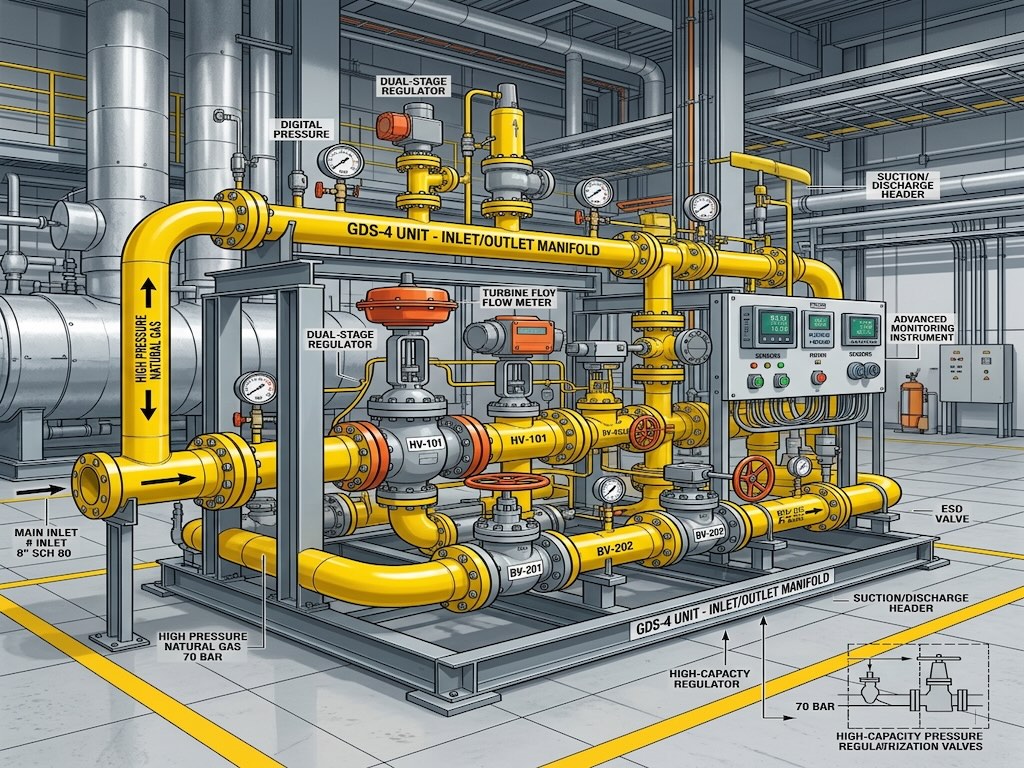
- Detailed Engineering & Procurement: Finalizing the 3D piping layout, structural steel design, and issuing accurate Bill of Materials (BOM) for purchasing.
Process Simulation vs. Detailed Engineering
Understanding the difference between the conceptual simulation phase and the detailed mechanical engineering phase is vital for project managers in the B2B industrial sector.
| Metric | Process Design Simulation | Detailed Mechanical Engineering |
|---|---|---|
| Focus Area | Thermodynamics, Phase Changes, Heat/Mass Balance | Material Thickness, Stress Analysis, Welding Codes |
| Key Output | Process Flow Diagrams (PFDs) and Data Sheets | Fabrication Drawings and Isometrics |
| Software Used | Aspen HYSYS, PRO/II, ChemCAD | PV Elite, HTRI, AutoCAD 3D, CAESAR II |
| Primary Goal | Prove the chemistry and physics work | Prove the equipment will not fail under pressure |
Frequently Asked Questions
Why is process design simulation important?
Process design simulation predicts how a plant will behave before it is built. It allows engineers to test \”what-if\” scenarios, optimize energy consumption, and size equipment accurately, saving millions in potential rework costs.
What is static equipment in process engineering?
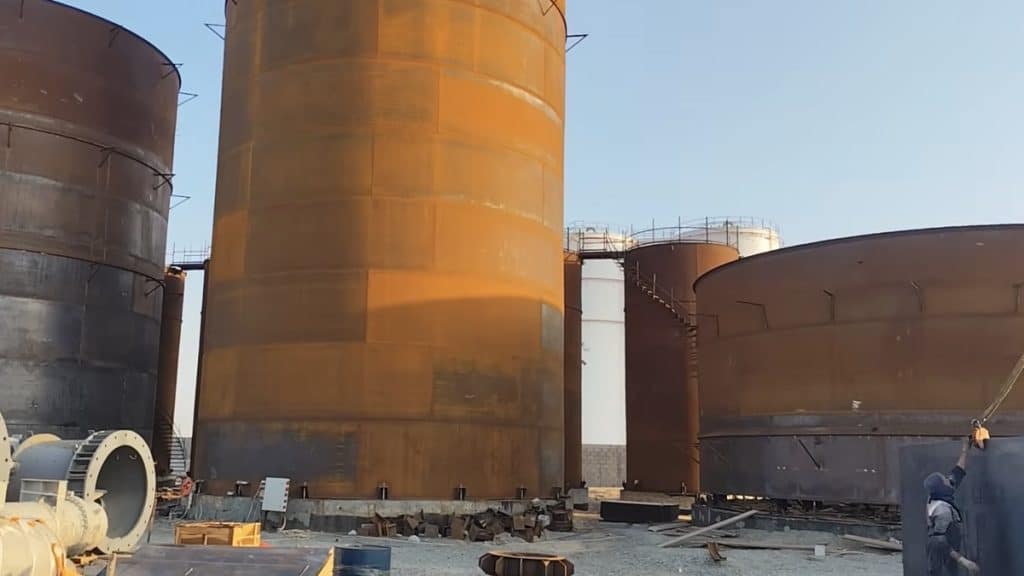
Static equipment refers to plant components with no moving parts. This includes pressure vessels, distillation columns, storage tanks, and shell-and-tube heat exchangers.
How do you size a heat exchanger for an industrial process?
Heat exchangers are sized by calculating the required thermal duty, the Log Mean Temperature Difference (LMTD), and the overall heat transfer coefficient. Professional engineers use HTRI software alongside preliminary online calculators to finalize designs.
What is mass and heat balance?
A mass and heat balance applies the law of conservation of mass and energy to a process. It ensures that all material and energy entering a system exactly equals the material and energy exiting or accumulating within it.
Can a consultancy help optimize an existing plant?
Yes, process engineering consultancies frequently perform debottlenecking studies. They analyze existing operations to identify flow restrictions and recommend targeted upgrades to increase overall production capacity.
Partner with Process Engineering Experts
Building a new plant or upgrading an existing facility requires precision engineering at every stage. From conceptual PFDs to detailed static equipment design, relying on experienced consultants mitigates risk and ensures operational success.