Why Are Heat Exchangers Essential for Industrial Efficiency? 10 Key Benefits Explained
In the complex world of process engineering, where every degree of temperature impacts the bottom line, heat exchangers are often the unsung heroes of the plant floor. From petrochemical refineries to food processing lines, these devices quietly orchestrate the movement of thermal energy, serving as the backbone of modern industrial efficiency. But what exactly makes them so indispensable?
Whether you are operating a high-pressure Shell & Tube unit or a compact Gasketed Plate Heat Exchanger (GPHE), the principles remain the same: maximizing energy recovery and minimizing waste. Let’s break down the top 10 reasons why forward-thinking industries rely on advanced heat exchange technology to stay competitive in 2025.
1. How Do Heat Exchangers Boost Energy Efficiency?
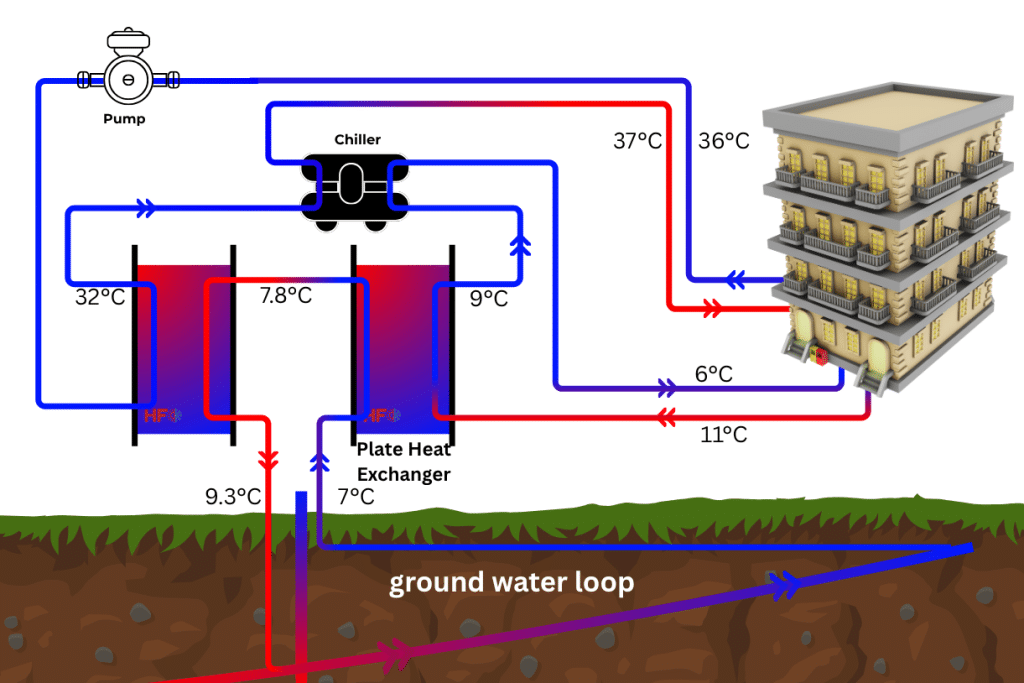
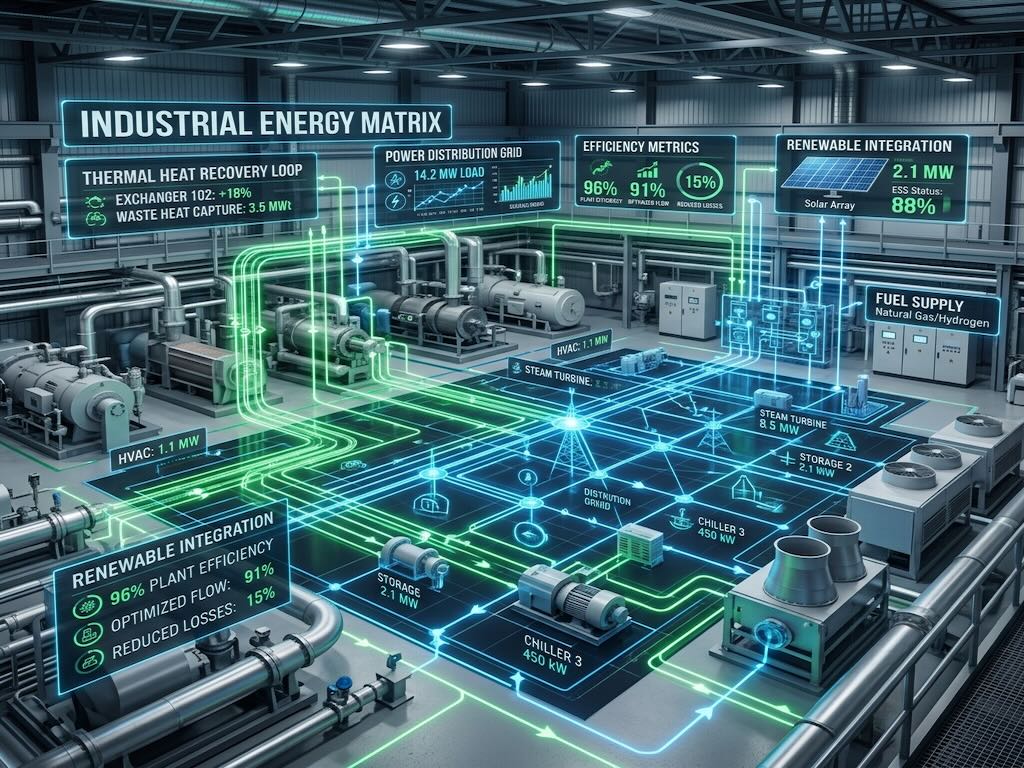
The most immediate impact of a heat exchanger is on your energy bill. Imagine the sheer amount of thermal energy that vanishes into thin air—or down the drain—in a typical manufacturing cycle. Heat exchangers capture this “waste” heat from process fluids and recycle it. For instance, hot effluent from a reactor can be used to pre-heat incoming feed water.
This process, known as heat recovery, can slash fuel consumption by up to 40%. By integrating a high-efficiency unit, you aren’t just buying equipment; you are investing in a system that pays for itself. If you are unsure about the potential savings, try our Heat Exchanger Calculator to simulate your thermal requirements.
2. Why Is Temperature Control Critical in Manufacturing?
Precision is non-negotiable in industries like pharmaceuticals and specialty chemicals. A deviation of just a few degrees can ruin a batch or create safety hazards. Heat exchangers act as the ultimate thermostat, providing precise temperature regulation.
Modern plate heat exchangers, with their high turbulence and thin plates, offer rapid response times to temperature changes. This capability ensures that products like chocolate remain liquid without burning, or that chemical reactions proceed at the exact required rate. It’s this reliability that makes them vital for process control.
3. Can Heat Exchangers Reduce Environmental Harm?
Sustainability is no longer a buzzword; it’s a regulatory requirement. By recycling heat, facilities significantly reduce their reliance on fossil fuels for boilers and heaters. This directly translates to lower Scope 1 and Scope 2 greenhouse gas emissions.
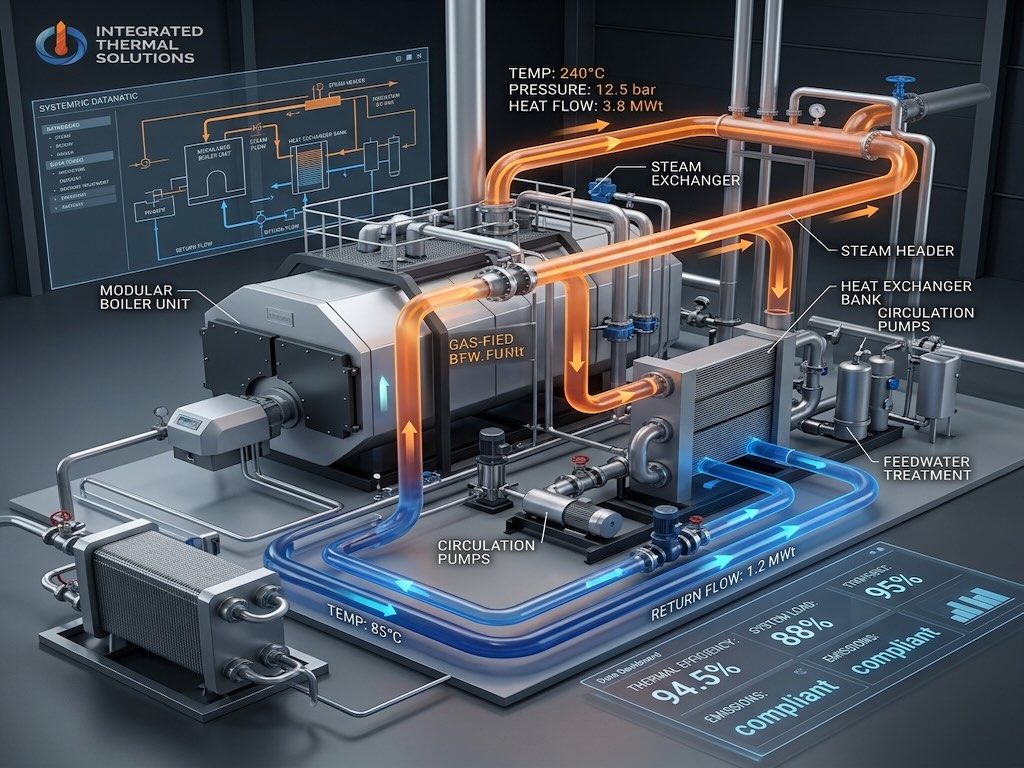
For example, a thermal transfer shell and tube heat exchanger in a power plant can condense exhaust steam to recover water and heat, closing the loop and reducing the plant’s overall carbon footprint. It aligns perfectly with global initiatives for greener manufacturing.
4. Do Heat Exchangers Save Space and Money?
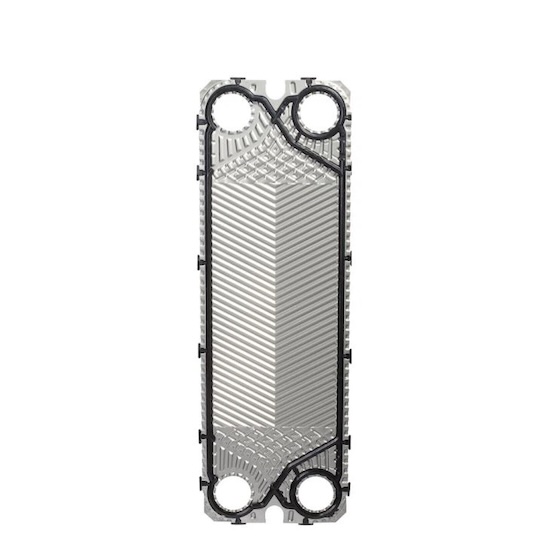
Real estate on a factory floor is expensive. While traditional coil tanks are bulky, modern heat exchangers are engineered for compactness. This is particularly true for Plate Heat Exchangers (PHEs), which offer a large surface area in a small footprint.
A PHE can often perform the same duty as a shell and tube unit five times its size. This compact design reduces installation costs, piping complexity, and structural support requirements. For tight spaces, such as on offshore oil rigs or skid-mounted systems, this benefit is invaluable.
5. How Do Heat Exchangers Extend Equipment Life?
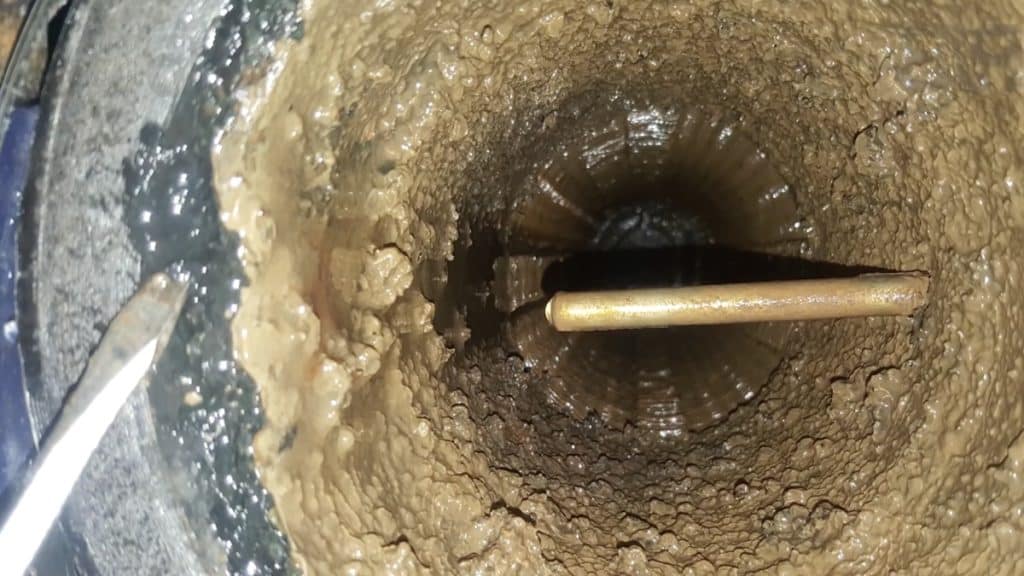
Thermal shock is a silent equipment killer. Rapid fluctuations in temperature can cause metal fatigue and cracking in piping and vessels. Heat exchangers mitigate this by maintaining steady, controlled temperature gradients.
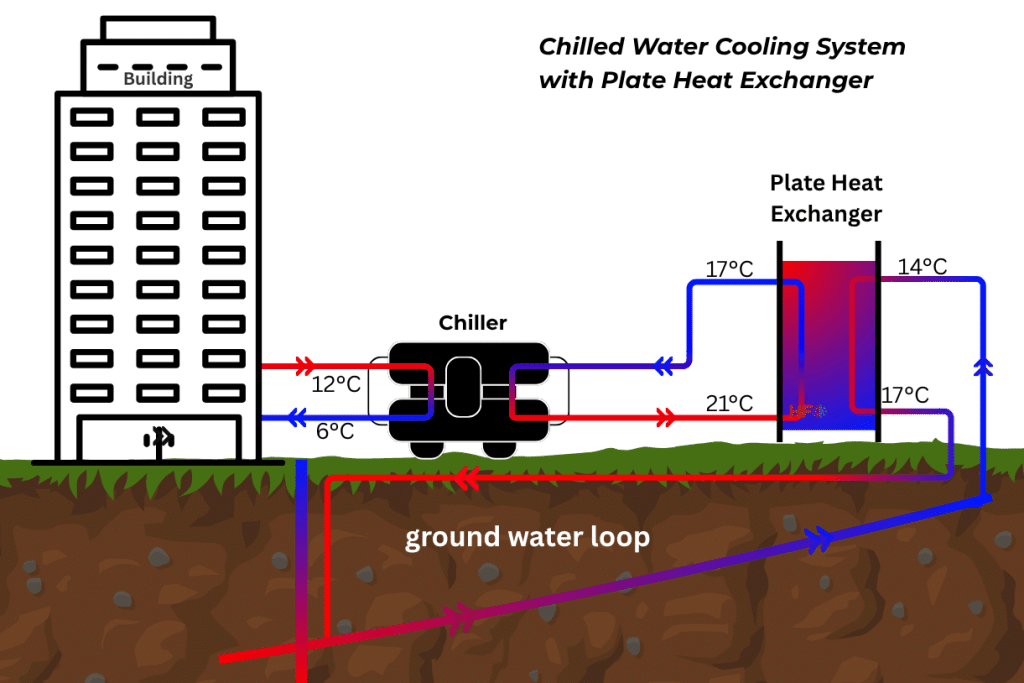
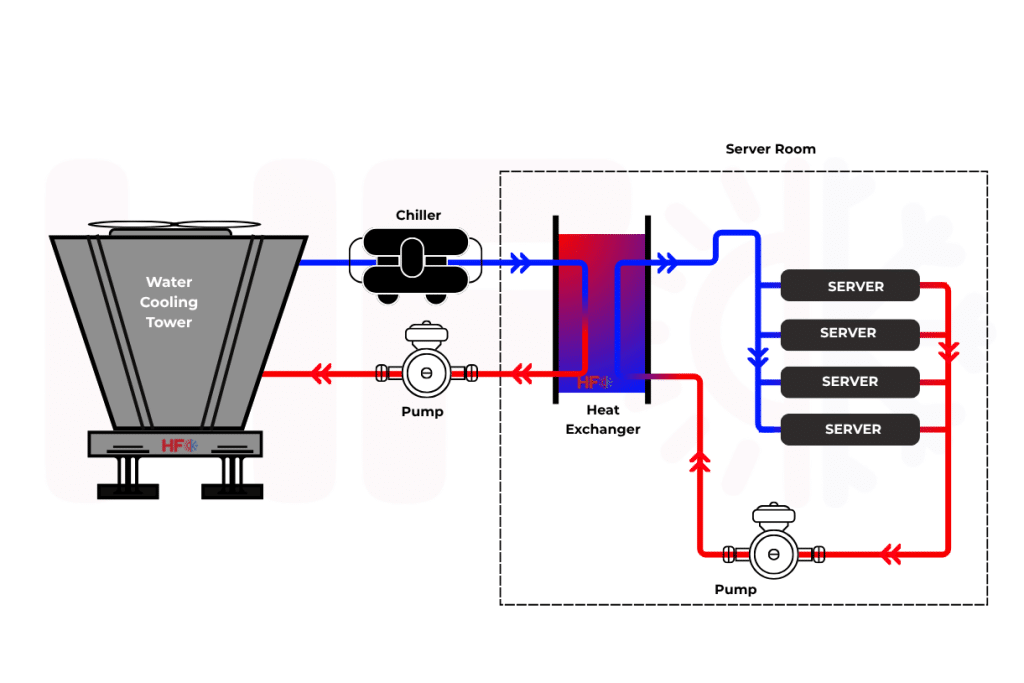
Furthermore, by using a secondary loop with a heat exchanger, you can isolate expensive equipment from fouling or corrosive fluids. For example, a “closed-loop” cooling system uses a heat exchanger to keep dirty river water away from sensitive machine jackets, drastically reducing corrosion and maintenance needs.
6. Are Heat Exchangers Versatile Across Industries?
From pasteurizing milk to cooling hydraulic oil, the versatility of heat exchangers is unmatched. Different designs cater to specific needs. A Shell and Tube Heat Exchanger is the workhorse for high-pressure and high-temperature applications, while a Brazed Plate unit is perfect for compact refrigeration duties.
| Feature | Plate Heat Exchanger (PHE) | Shell & Tube Heat Exchanger |
|---|---|---|
| Heat Transfer Efficiency | Very High (Turbulent Flow) | Moderate |
| Space Footprint | Compact | Large |
| Maintenance | Easy to open & clean | Complex (requires bundle pulling) |
| Pressure/Temp Limits | Low to Moderate | Very High |
7. What Makes Heat Exchangers Cost-Effective?
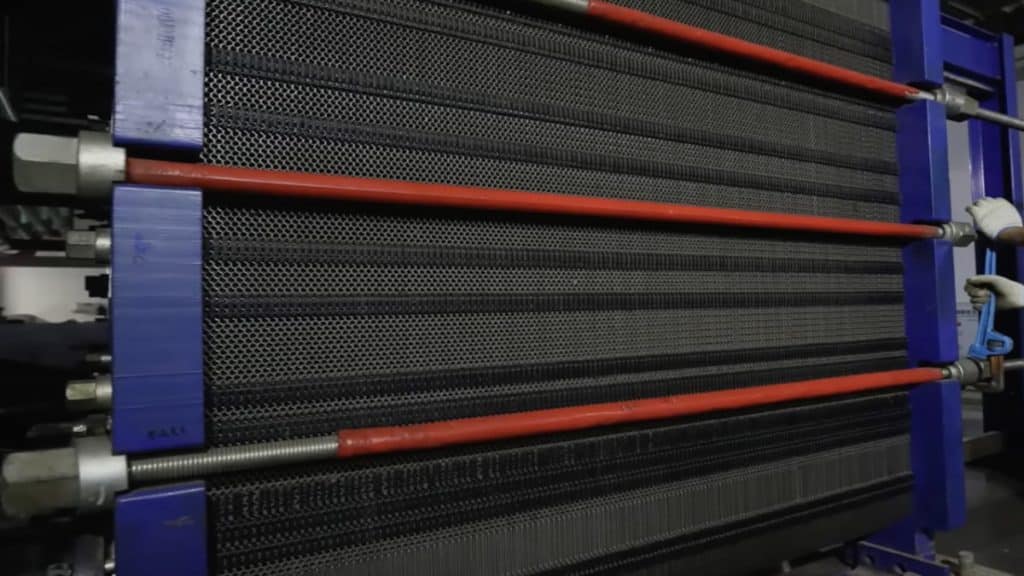
When analyzing OPEX (Operating Expenditure), heat exchangers stand out. Their lack of moving parts means they have lower maintenance costs compared to chillers or compressors. Routine maintenance often involves simple cleaning or gasket replacement.
Proper sizing and selection are key to this cost-effectiveness. An oversized unit wastes capital, while an undersized one drives up pumping costs. Getting the design right initially is the secret to long-term savings.
8. How Do Heat Exchangers Prevent Contamination?
In food and pharmaceutical production, cross-contamination is a disaster scenario. Heat exchangers are designed to keep the heating medium and the product completely separate. In gasketed plate exchangers, vented double-gasket systems ensure that if a leak occurs, the fluid drains externally rather than mixing.
This design feature allows you to use non-potable water or glycol to cool potable products safely, provided the right materials—like FDA-approved gaskets and stainless steel or titanium plates—are selected.
9. Do Heat Exchangers Improve Workplace Safety?
Handling hazardous fluids at extreme temperatures poses significant risks. Enclosed heat exchanger designs minimize the risk of leaks and exposure. Unlike open cooling towers or direct steam injection, heat exchangers contain the fluids within pressure-rated vessels.
Industries dealing with volatile hydrocarbons or acids rely on the robust construction of these units to prevent catastrophic failures. Regular inspection of plates and gaskets is part of a standard safety protocol to maintain this integrity.
10. Can Heat Exchangers Recycle Waste Heat Quickly?
Speed is essential in modern production lines. Heat exchangers are designed for rapid thermal transfer. A brazed plate model, for instance, can cool wort in a brewery almost instantly after boiling, allowing for immediate fermentation. This “quick recovery” capability means shorter batch times and higher throughput for your facility.
Where Can You Find Reliable Heat Exchanger Solutions?
When it comes to quality, Heating Formula stands out. We supply heat exchangers tailored to rigorous industrial standards—from thermal transfer shell and tube models to custom-sized gaskets for major brands.
Our products are built to last, ensuring your operations stay efficient, safe, and profitable. Whether you need a new installation or spare parts for an existing unit, we have the engineering expertise to support you.
Conclusion
Heat exchangers are the backbone of modern industry. They cut costs, protect equipment, and help the planet—all while fitting into tight spaces and adapting to countless tasks. Whether you need high-pressure systems or affordable replacement plates, understanding these benefits can transform your operations.
Final Tip: Always partner with trusted suppliers like Heating Formula for durable, compatible parts. From gasket compatibility checks to energy-saving designs, we’ve got your heat exchange needs covered.