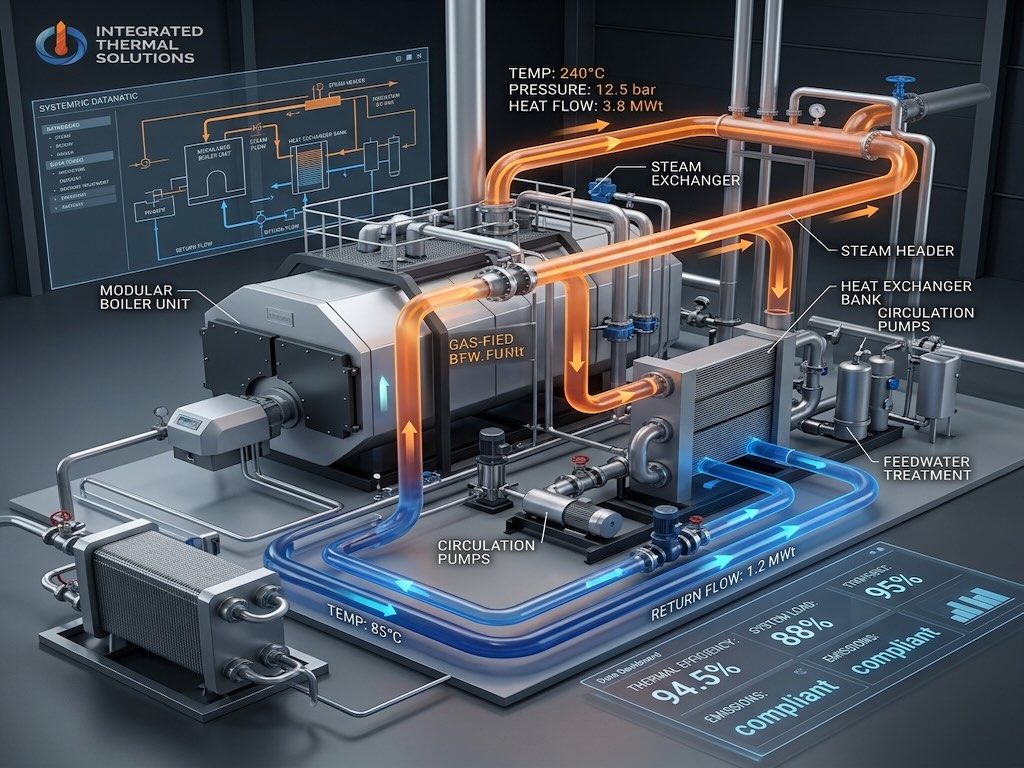
Why Are Shell and Tube Heat Exchangers Essential for the Hydrogen Economy?
Shell and tube heat exchangers are important for hydrogen projects because they can handle demanding thermal duties, high pressures, wide temperature ranges, and industrial operating conditions when they are designed with the correct materials, codes, pressure drop limits, and inspection requirements.
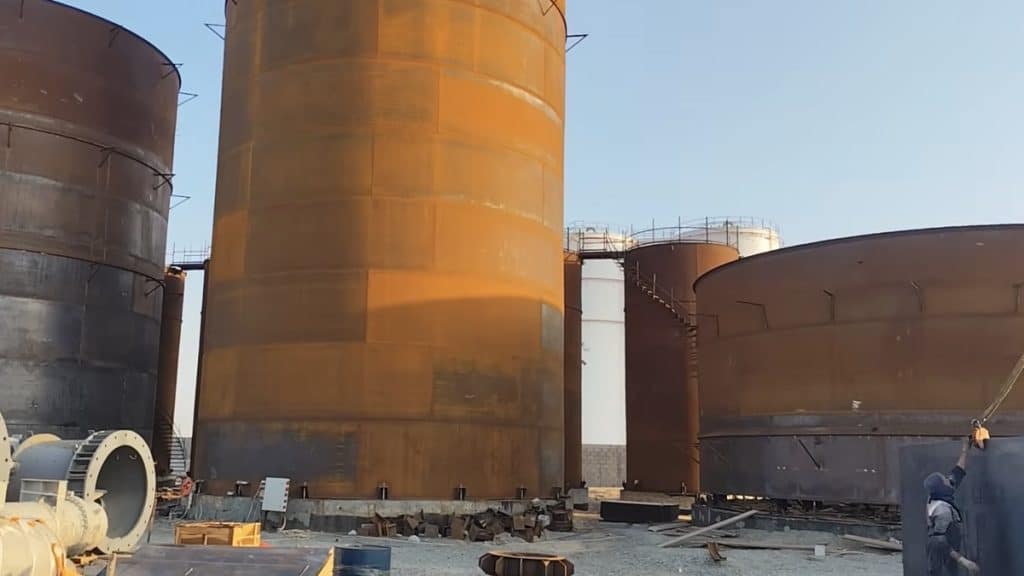
Hydrogen is becoming more important in refining, chemicals, ammonia, methanol, fuel cells, energy storage, green steel, power-to-gas projects, and low-carbon industrial systems. But hydrogen projects are not simple. They involve high pressure, low temperature, compression heat, cryogenic service, material compatibility challenges, leak control, safety reviews, and careful equipment selection.
In this environment, the shell and tube heat exchanger remains one of the most useful heat transfer solutions. It is not always the most compact option, and it is not the only heat exchanger type used in hydrogen systems. However, for many high-pressure, high-temperature, corrosive, dirty, or mechanically demanding services, shell and tube heat exchangers offer a strong combination of robustness, maintainability, inspection access, and design flexibility.
This updated guide explains why shell and tube heat exchangers matter in hydrogen projects, where they are used, what engineers must check before selection, and what procurement teams should verify before purchasing equipment.
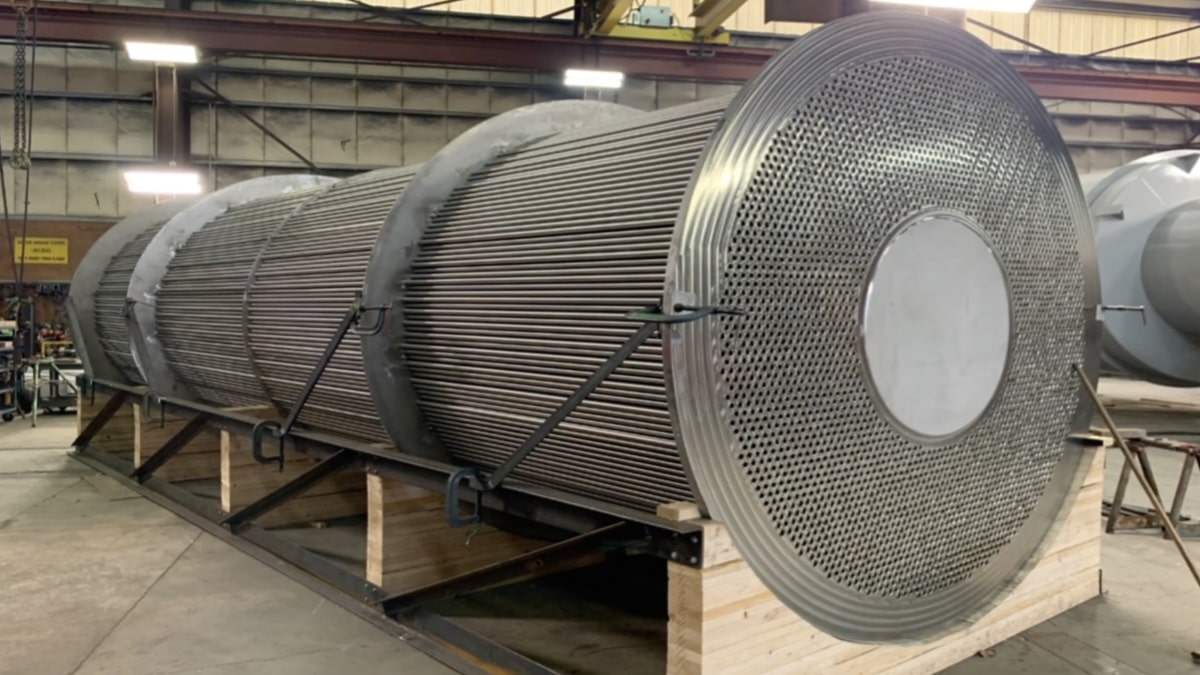
Simple Definition: What Is a Shell and Tube Heat Exchanger?
A shell and tube heat exchanger is a heat transfer device where one fluid flows through tubes and another fluid flows around those tubes inside a shell. Heat transfers through the tube walls without mixing the two fluids.
The design can be adjusted by changing tube material, tube diameter, tube length, tube layout, baffle spacing, shell diameter, number of passes, nozzle sizes, and mechanical construction. This flexibility makes shell and tube heat exchangers suitable for many industrial services, including hydrogen production, compression, cooling, preheating, condensation, vaporization, and waste heat recovery.
Heating Formula supports industrial clients with shell and tube heat exchanger selection, thermal design review, static equipment engineering, piping coordination, procurement support, and vendor document review.
Quick Answer: Why Are They Important for Hydrogen?
Shell and tube heat exchangers are important for hydrogen because they can be engineered for high pressure, high temperature, cryogenic service, hydrogen-compatible materials, large duties, inspection access, and industrial maintenance requirements.
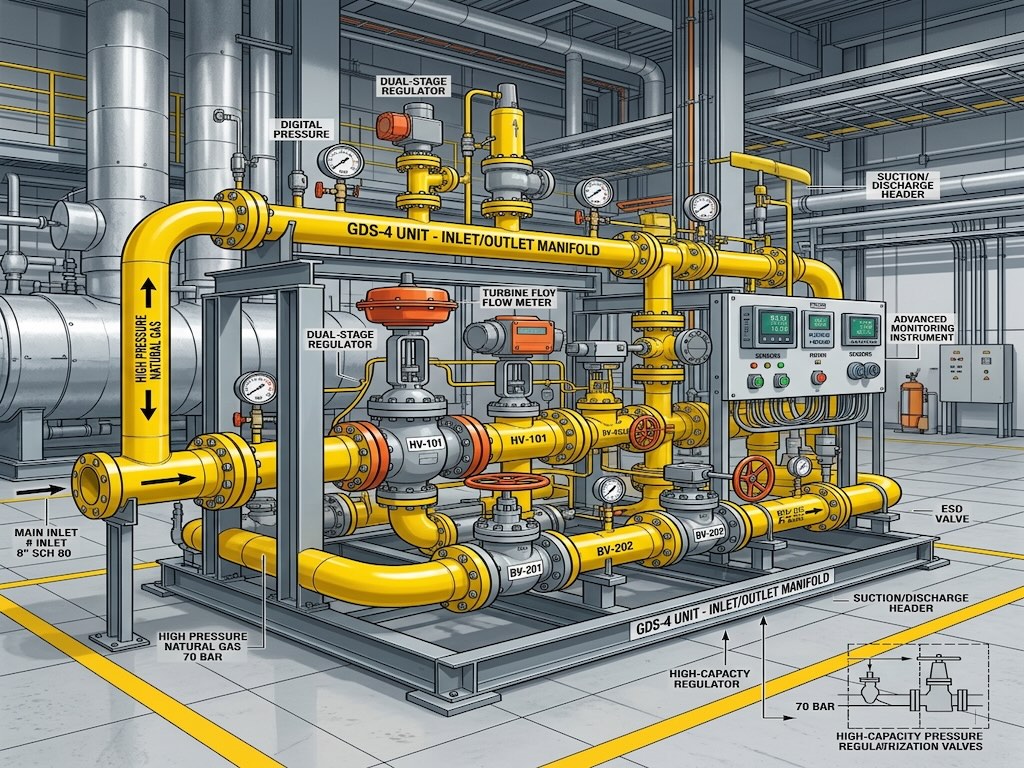
Hydrogen systems often require heat exchangers in electrolyzers, reformers, ammonia cracking units, hydrogen purification systems, compressors, pre-coolers, intercoolers, liquefaction units, fuel cell systems, pipeline stations, and storage facilities. In each case, the heat exchanger must be selected according to the real operating conditions, not only the required heat duty.
For example, a hydrogen compressor intercooler must manage compression heat while respecting pressure drop and materials. A cryogenic hydrogen exchanger must handle very low temperatures and thermal contraction. A hydrogen preheater must consider metal temperature, hydrogen compatibility, and code requirements. These are engineering decisions, not catalogue selections.
Where Shell and Tube Heat Exchangers Are Used in Hydrogen Projects
| Hydrogen Application | Possible Heat Exchanger Duty | Main Engineering Checks |
|---|---|---|
| Electrolysis plant | Cooling of electrolyzer loops, water treatment loops, gas cooling, heat recovery | Water quality, temperature control, pressure drop, corrosion, maintenance access |
| Hydrogen compression | Intercooling and aftercooling between compressor stages | High pressure, vibration, thermal duty, gas-side pressure drop, material compatibility |
| Steam methane reforming / blue hydrogen | Feed preheating, process gas cooling, waste heat recovery | High temperature, fouling, metallurgy, thermal stress, inspection requirements |
| Ammonia cracking | Preheating ammonia, cooling cracked gas, heat recovery | High temperature, material selection, hydrogen/nitrogen service, process safety |
| Hydrogen liquefaction | Cryogenic cooling and thermal integration | Low temperature materials, thermal contraction, cleanliness, leakage control |
| Fuel cell and power systems | Cooling loops, water-glycol systems, heat recovery | Compactness, water quality, control stability, redundancy |
| Hydrogen storage and loading | Pre-cooling, temperature control during filling, pressure management | Pressure rating, temperature control, safety valves, instrumentation |
What Makes Hydrogen Service Difficult?
Hydrogen has special engineering challenges. It is a small molecule, it can leak through very small paths, it can influence material behavior, and it is often handled under high pressure or extreme temperature conditions. Hydrogen equipment must be reviewed carefully for material compatibility, design code, pressure containment, sealing, welding, testing, instrumentation, and safety systems.
For heat exchangers, this means the design team must check more than heat transfer area. They must also review hydrogen embrittlement risk, pressure drop, vibration, leakage possibility, inspection access, gasket or seal selection, tube-to-tubesheet joint design, welding quality, NDT requirements, and operating cases.
1. Hydrogen Embrittlement and Material Compatibility
Hydrogen can affect metals under certain conditions, especially when stress, pressure, temperature, material grade, manufacturing history, and environment create susceptibility. This is why material selection cannot be guessed. Engineers should evaluate hydrogen compatibility using project standards, material data, service experience, and applicable codes.
Austenitic stainless steels, aluminum alloys, nickel alloys, and other materials may be considered depending on service, but no material should be selected only by name. The final choice should consider pressure, temperature, hydrogen purity, impurities, cyclic loading, welding, toughness, and inspection requirements.
2. High Pressure and Leakage Risk
Hydrogen compression, storage, and transfer systems may operate at high pressure. High-pressure service affects wall thickness, flange rating, tube-to-tubesheet design, nozzle reinforcement, pressure testing, gasket selection, and safety valve sizing. Small leakage paths that may be acceptable in ordinary utility systems can become unacceptable in hydrogen service.
For this reason, shell and tube heat exchangers in hydrogen service should be reviewed with mechanical design, piping, instrumentation, and safety teams before procurement.
3. Cryogenic and Low-Temperature Service
Liquid hydrogen and some hydrogen-related processes involve very low temperatures. Low-temperature service can change material toughness, create thermal contraction, and increase stress during start-up and shutdown. For cryogenic applications, material selection, welding procedures, thermal cycling, expansion allowance, and insulation must be reviewed carefully.
4. Compression Heat and Temperature Control
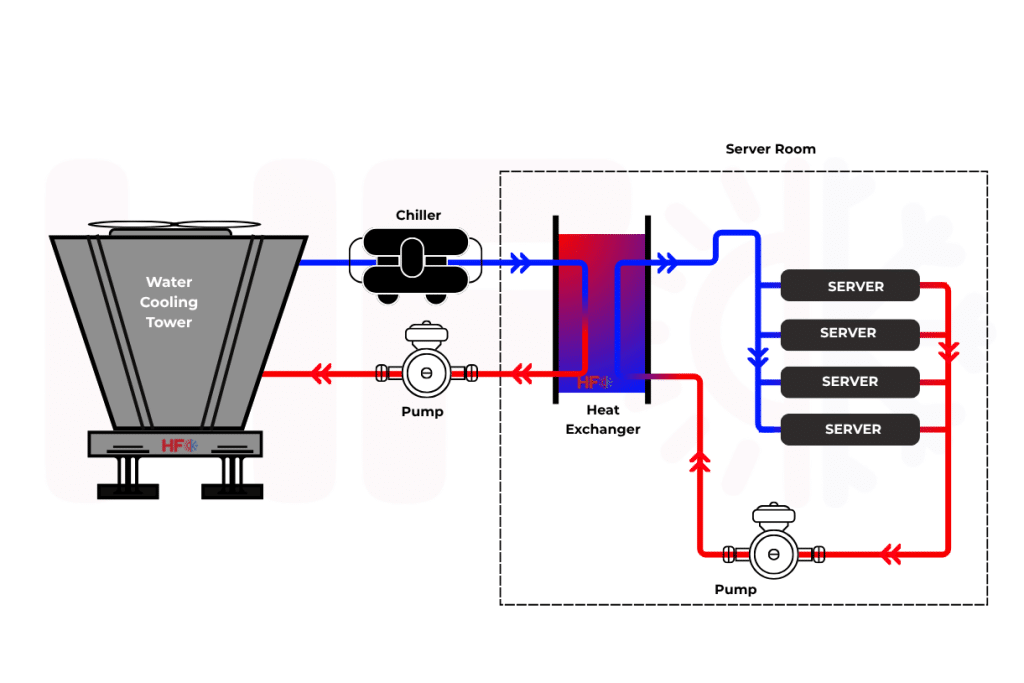
Hydrogen compression generates heat. Intercoolers and aftercoolers help reduce gas temperature, protect downstream equipment, improve compressor efficiency, and stabilize operation. Shell and tube heat exchangers are often considered for these services because they can be designed for pressure, vibration, inspection, and maintenance requirements.
Shell and Tube vs Plate Heat Exchangers in Hydrogen Projects
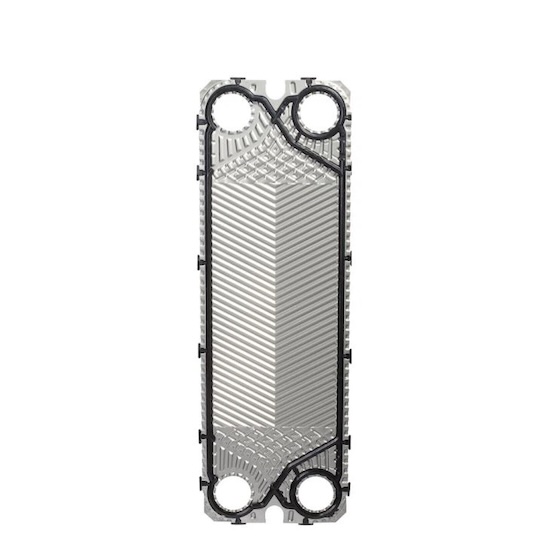
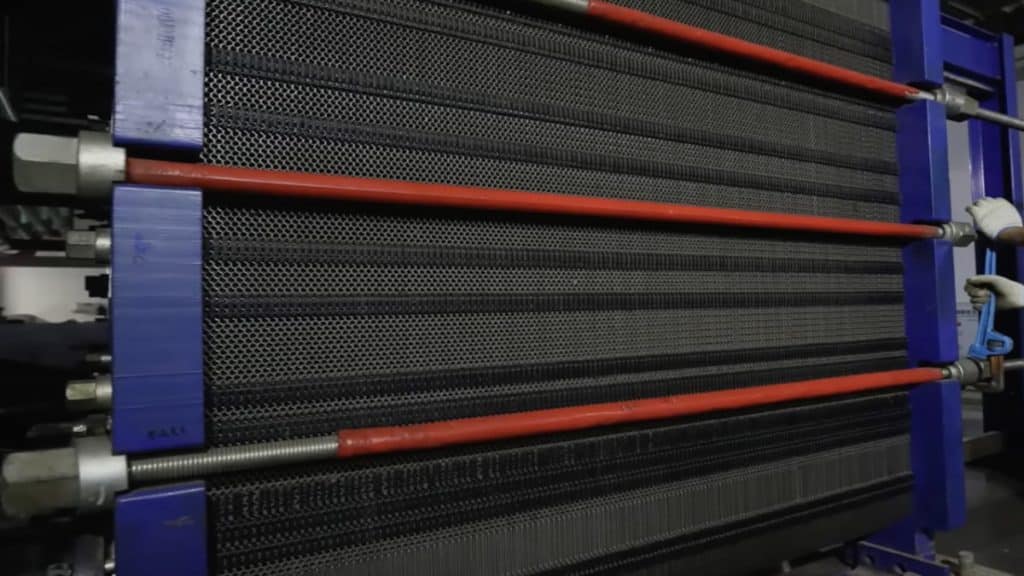
Both shell and tube heat exchangers and plate heat exchangers can be useful in hydrogen-related plants, but they serve different roles. The best choice depends on pressure, temperature, fluids, contamination risk, maintenance philosophy, footprint, and safety requirements.
| Selection Factor | Shell and Tube Heat Exchanger | Gasketed Plate Heat Exchanger |
|---|---|---|
| High pressure | Often preferred for demanding pressure service | Limited by frame, gasket, and plate design |
| High temperature | Strong option depending on metallurgy and code | Limited by gasket material and plate design |
| Compactness | Larger footprint | Very compact for liquid-to-liquid duties |
| Maintenance | Tube bundle access and mechanical cleaning possible depending on design | Easy plate opening and gasket replacement in suitable services |
| Hydrogen gas service | Often more suitable for pressure and containment requirements | Usually more suitable for utility loops than direct hydrogen gas service |
| Cooling water / glycol loops | Useful for large or dirty duties | Excellent for compact, efficient liquid-to-liquid cooling |
In many hydrogen plants, the two technologies may work together. Shell and tube heat exchangers may serve high-pressure or high-temperature process duties, while gasketed plate heat exchangers may be used for cooling water, glycol loops, utility heat recovery, and compact liquid-to-liquid services.
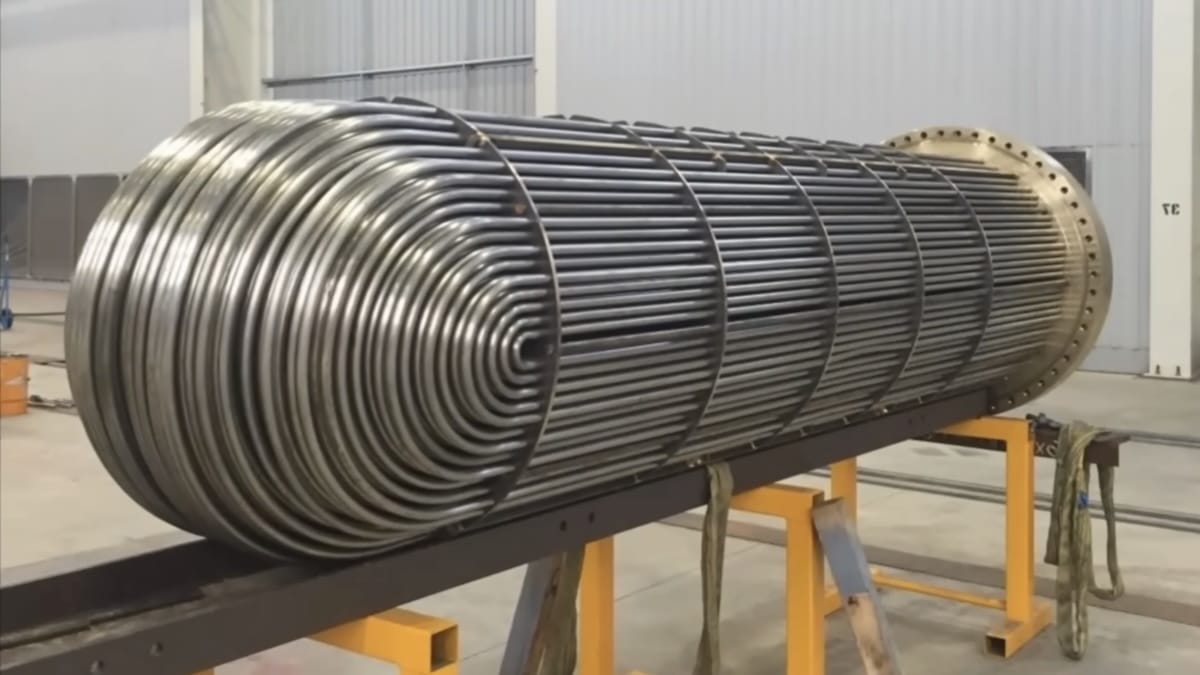
Key Engineering Checks Before Selecting a Shell and Tube Heat Exchanger for Hydrogen
1. Define All Operating Cases
Hydrogen heat exchangers should not be sized only for one normal operating case. Engineers should check start-up, shutdown, turndown, maximum flow, minimum flow, clean condition, fouled condition, emergency cooling, compressor trip, bypass operation, and future capacity expansion.
For each case, the datasheet should define fluid composition, flow rate, inlet temperature, outlet temperature, operating pressure, allowable pressure drop, design pressure, design temperature, and phase condition.
2. Check Material Compatibility
Material selection should consider hydrogen compatibility, pressure, temperature, impurities, corrosion, cyclic loading, welding, toughness, and availability. For hydrogen service, material review should involve process, mechanical, materials, and inspection teams.
Common material questions include: should the tubes be stainless steel, nickel alloy, aluminum alloy, or another material? Is carbon steel acceptable for the specific service? What is the chloride content of cooling water? Are there sulfur compounds, ammonia, oxygen, or moisture? Is low-temperature toughness required?
3. Control Pressure Drop
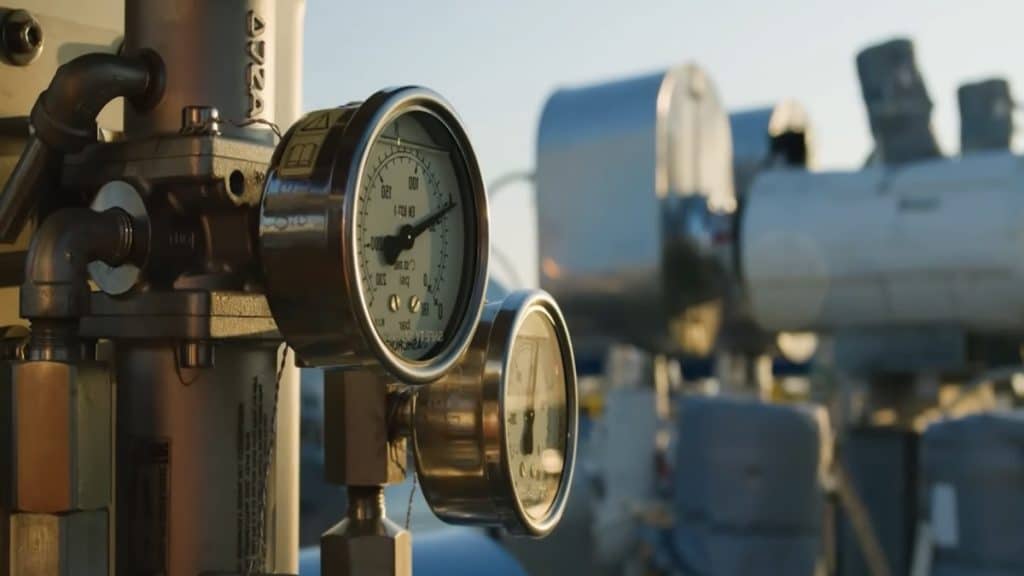
Pressure drop is critical in hydrogen systems. Excessive pressure drop can increase compressor power, reduce system efficiency, create operating instability, or affect downstream pressure requirements. The allowable pressure drop should be defined before the exchanger is quoted.
For compressor intercoolers and aftercoolers, gas-side pressure drop should be reviewed carefully. For cooling water or glycol side, pressure drop affects pump selection, energy cost, and flow stability.
4. Review Vibration and Flow-Induced Damage
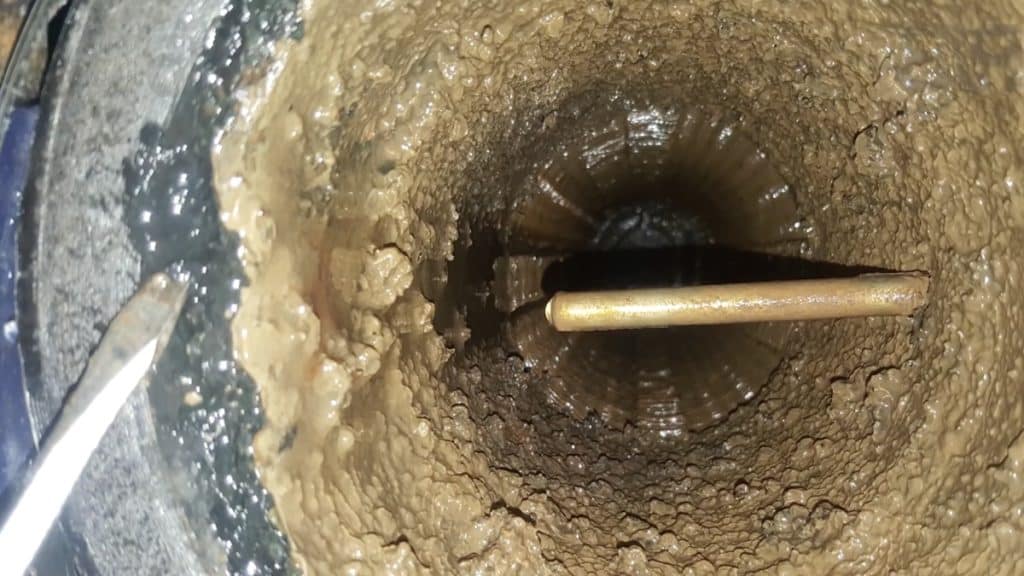
Shell and tube heat exchangers can experience vibration if tube layout, baffle spacing, flow velocity, and unsupported tube length are not properly checked. Gas service, high velocity, and certain flow patterns may increase risk. Vibration review is especially important when the exchanger is connected to compressors or high-flow gas systems.
5. Confirm Cleaning and Inspection Access
Hydrogen projects often require high reliability. Maintenance access must be considered before final layout. Engineers should check bundle pull space, channel cover access, tube cleaning method, isolation valves, drain and vent points, lifting access, and inspection requirements.
Procurement Checklist: What to Ask Vendors Before Buying
Procurement teams should not buy hydrogen-related heat exchangers based only on price, delivery time, and heat duty. A proper RFQ should include a complete technical datasheet and request clear vendor documentation.
- Thermal datasheet: duty, fluids, flow rates, temperatures, pressures, allowable pressure drop, fouling allowance, and operating cases.
- Mechanical design: design pressure, design temperature, code basis, corrosion allowance, nozzle schedule, flange rating, and test pressure.
- Materials: tubes, shell, tubesheet, baffles, gaskets, bolts, coatings, and welding consumables.
- Hydrogen compatibility: confirmation of material suitability for the defined hydrogen service and operating conditions.
- Inspection: NDT scope, hydrotest or pressure test, leak test, material certificates, welding documents, and inspection and test plan.
- Thermal design report: HTRI or equivalent rating/design calculation where required.
- Maintenance: bundle removal space, cleaning method, spare parts, tube plugging allowance, and recommended inspection interval.
- Vendor document review: GA drawing, nozzle orientation, weight, foundation loads, lifting points, calculations, and manufacturing schedule.
Heating Formula supports this process through procurement engineering support, vendor document review, heat exchanger selection, and technical bid evaluation.
Common Mistakes to Avoid in Hydrogen Heat Exchanger Projects
The most common mistake is treating a hydrogen heat exchanger as a normal heat transfer item instead of reviewing material compatibility, pressure containment, leakage risk, pressure drop, vibration, operating cases, and inspection requirements.
- Selecting equipment from heat duty only, without reviewing hydrogen service risks.
- Using incomplete fluid data, especially hydrogen purity, moisture, impurities, and pressure.
- Ignoring hydrogen embrittlement and material compatibility checks.
- Allowing excessive pressure drop on the hydrogen side.
- Skipping vibration review for gas coolers and compressor-related exchangers.
- Not defining start-up, shutdown, turndown, and future operating cases.
- Failing to coordinate nozzle loads and piping stress analysis.
- Comparing vendor offers without checking technical deviations.
- Not reviewing vendor drawings before fabrication starts.
How Shell and Tube Heat Exchangers Support Hydrogen Efficiency
Hydrogen production and handling can involve significant heating and cooling requirements. Heat exchangers can improve efficiency by recovering heat from hot process streams, cooling compressed hydrogen, preheating feed streams, reducing utility demand, and stabilizing process temperature.
In green hydrogen projects, heat exchangers may support electrolyzer cooling, water treatment loops, oxygen and hydrogen gas cooling, and heat recovery. In blue hydrogen and reforming projects, they may support feed preheating, process gas cooling, condensate recovery, and waste heat utilization. In ammonia cracking projects, they may support heat integration between hot cracked gas and incoming ammonia feed.
Good heat exchanger design can reduce energy consumption, improve temperature control, protect downstream equipment, and reduce lifecycle cost. Poor design can increase compressor power, utility load, maintenance frequency, and operational risk.
Recommended Engineering Workflow
For hydrogen-related shell and tube heat exchanger projects, a structured workflow helps reduce design errors and procurement risk.
- Define the service: hydrogen cooling, compression intercooling, preheating, cryogenic cooling, ammonia cracking, reforming, or utility heat recovery.
- Prepare the design basis: fluids, composition, pressure, temperature, flow rate, operating cases, impurities, and project standards.
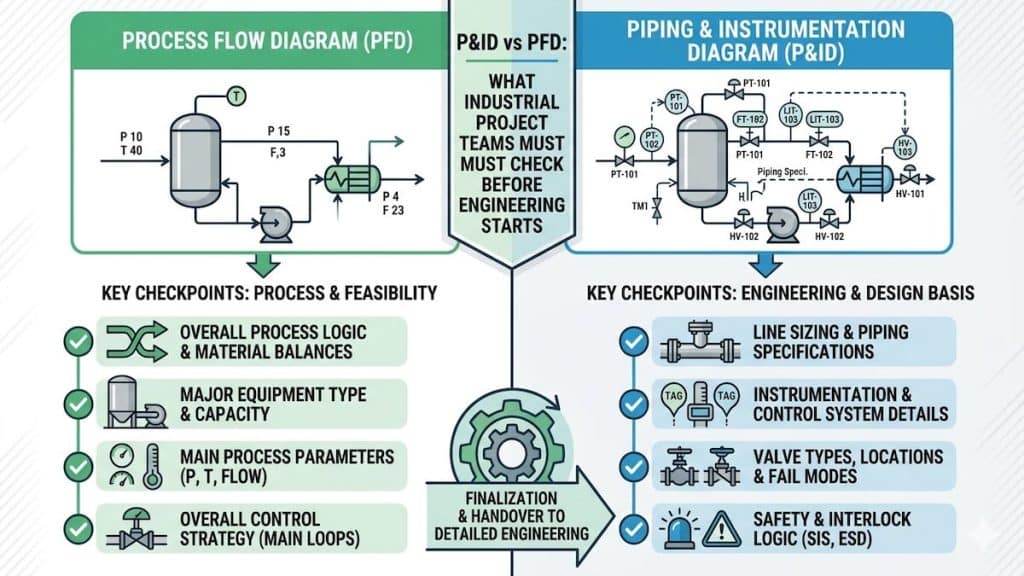
- Develop PFD and P&ID: confirm process connections, controls, bypasses, isolation, drains, vents, safety devices, and package limits.
- Perform thermal design: check duty, LMTD, flow regime, pressure drop, fouling allowance, and heat transfer area.
- Review mechanical design: design pressure, design temperature, code, thickness, nozzle loads, supports, and testing.
- Check material compatibility: confirm suitability for hydrogen service, cooling water quality, impurities, temperature, and pressure.
- Coordinate piping: review nozzle orientation, flexibility, stress analysis, thermal expansion, supports, and maintenance access.
- Prepare procurement documents: issue datasheets, RFQ, inspection requirements, documentation list, and technical bid evaluation criteria.
- Review vendor documents: check drawings, calculations, materials, welding, NDT, pressure test procedures, and deviations before fabrication.
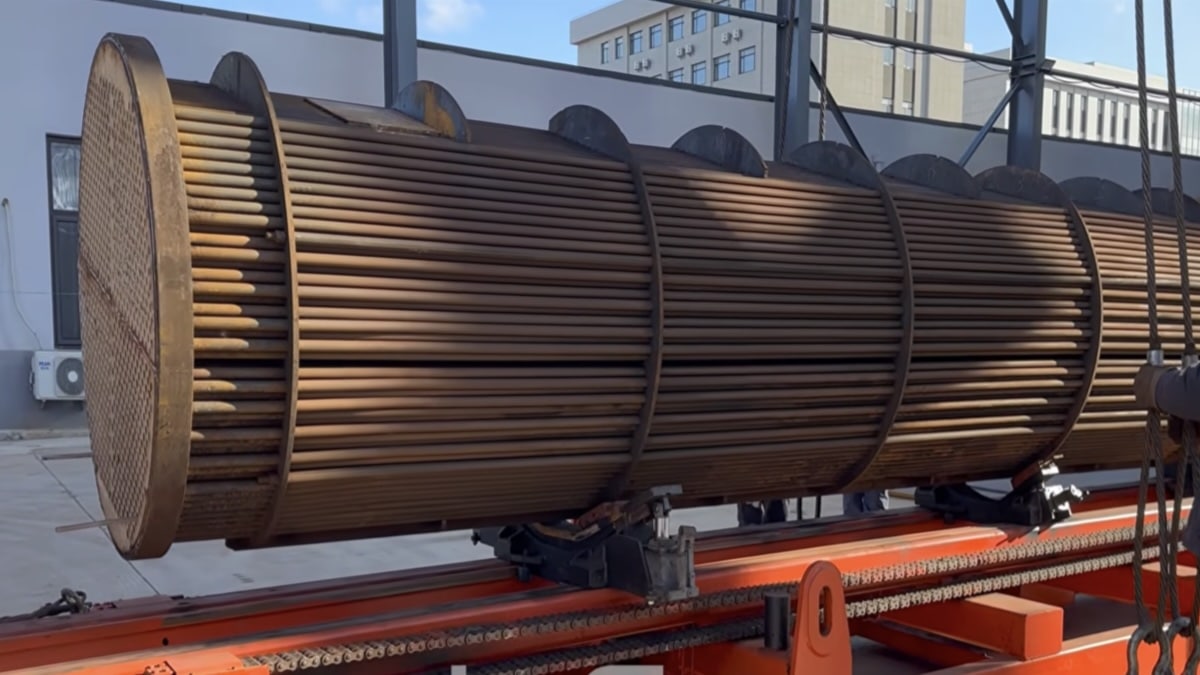
What Existing Plants Should Check Before Hydrogen Blending or Retrofit
Many existing plants are studying hydrogen blending, fuel switching, or hydrogen-related process upgrades. Before using existing shell and tube heat exchangers in hydrogen service, the plant should not assume that the equipment is suitable.
Engineers should review the original design code, material certificates, previous service history, corrosion records, pressure rating, temperature rating, tube material, tubesheet material, weld details, gasket type, testing records, and inspection history. If the exchanger was not designed for hydrogen service, a formal technical review is required before reuse.
In some cases, upgrading the exchanger may be possible. In other cases, replacement is safer and more economical. The correct decision depends on risk, duty, pressure, material condition, code compliance, and lifecycle cost.
FAQ
Are shell and tube heat exchangers suitable for hydrogen service?
Yes, shell and tube heat exchangers can be suitable for hydrogen service when they are designed with the correct materials, pressure rating, temperature rating, sealing method, inspection scope, and applicable design code. They should not be selected as standard equipment without hydrogen-specific review.
Why is material selection important in hydrogen heat exchangers?
Material selection is important because hydrogen can affect some metals under certain pressure, temperature, stress, and environmental conditions. Engineers must check hydrogen compatibility, toughness, corrosion resistance, welding, and inspection requirements before finalizing the material.
Can gasketed plate heat exchangers be used in hydrogen plants?
Yes, gasketed plate heat exchangers may be used in hydrogen plants for suitable liquid-to-liquid services such as cooling water, glycol loops, utility systems, and heat recovery. For direct high-pressure hydrogen gas service, shell and tube or other welded designs may be more suitable depending on project conditions.
What is the role of heat exchangers in hydrogen compression?
Hydrogen compression generates heat. Intercoolers and aftercoolers remove this heat, protect downstream equipment, improve compressor performance, and help maintain stable process conditions.
What should procurement check before buying a hydrogen heat exchanger?
Procurement should check the datasheet, design code, materials, hydrogen compatibility, pressure drop, thermal design report, NDT scope, pressure test, material certificates, vendor deviations, delivery scope, and maintenance requirements.
Is hydrogen embrittlement always a problem?
No. Hydrogen embrittlement risk depends on material, stress, pressure, temperature, environment, manufacturing condition, and operating conditions. It should be evaluated technically instead of assumed or ignored.
Can Heating Formula support hydrogen heat exchanger projects?
Yes. Heating Formula can support hydrogen-related projects with heat exchanger selection, thermal design review, static equipment design coordination, piping review, procurement engineering support, and vendor document review.
About Heating Formula
Heating Formula is an Istanbul-based engineering and industrial heat exchanger solutions provider serving Oil & Gas, HVAC, petrochemical, food & beverage, pharmaceutical, power generation, marine, mining, steel, ethanol, paper mill, hydrogen, and industrial process applications.
The company supports clients with process design and engineering consultancy, heat exchanger engineering, shell and tube heat exchanger selection, process simulation, static equipment design, piping design, 3D modular skid design, procurement support, vendor document review, and OEM-compatible gasketed plate heat exchanger solutions.
Conclusion
Shell and tube heat exchangers are essential for many hydrogen projects because they can be engineered for demanding pressure, temperature, material, inspection, and maintenance requirements.
Hydrogen systems need careful thermal design. The correct heat exchanger must handle real operating cases, material compatibility, pressure drop, vibration, start-up and shutdown, inspection, and safety requirements. A standard catalogue selection is not enough for critical hydrogen service.
For engineers and procurement teams, the best approach is to start with a complete design basis, develop accurate PFDs and P&IDs, define all operating cases, review materials, check pressure drop, compare vendor deviations, and review documentation before fabrication. Heating Formula can support these steps with heat exchanger selection, engineering review, procurement support, and vendor document review.
Further Reading
- U.S. DOE H-Mat Hydrogen Materials Compatibility Consortium: https://www.energy.gov/eere/fuelcells/h-mat-hydrogen-materials-consortium
- H2Tools Hydrogen Compatibility of Materials: https://h2tools.org/hydrogen-compatibility-materials
- IEA Global Hydrogen Review: https://www.iea.org/reports/global-hydrogen-review-2025
- ASME Codes and Standards: https://www.asme.org/codes-standards
- API Standards: https://www.api.org/products-and-services/standards
SEO Details
Meta title: Shell and Tube Heat Exchangers in the Hydrogen Economy
Meta description: Learn why shell and tube heat exchangers are important for hydrogen projects, including compression cooling, material compatibility, pressure drop, cryogenic service, procurement checks, and hydrogen-ready thermal design.
Suggested slug: shell-and-tube-heat-exchangers-hydrogen-economy
Main keyword: shell and tube heat exchanger
Supporting keywords: shell and tube heat exchangers, hydrogen heat exchanger, hydrogen economy, heat exchanger design, hydrogen embrittlement, hydrogen compression cooling, shell and tube heat exchanger selection, industrial heat exchanger solutions, thermal design, vendor document review
Recommended category: Industrial Applications
Suggested tags: shell and tube heat exchanger, hydrogen economy, hydrogen heat exchanger, hydrogen embrittlement, thermal design, heat exchanger selection, industrial heat exchangers, hydrogen compression, procurement engineering
Recommended internal links:
- https://heatingformula.com/en/shell-and-tube-heat-exchanger-selection/
- https://heatingformula.com/en/shell-and-tube-heat-exchangers-the-indispensable-workhorse-of-industrial-processes/
- https://heatingformula.com/en/services/design-and-consultancy/
- https://heatingformula.com/en/services/design-and-consultancy/static-equipment-design/
- https://heatingformula.com/en/services/design-and-consultancy/piping-design-analysis/
- https://heatingformula.com/en/services/design-and-consultancy/procurement-engineering-support/
- https://heatingformula.com/en/products/gphe-selection/
- https://heatingformula.com/en/products/gphe-spare-parts/