Why C-276 Hastelloy Reigns Supreme for Heat Exchangers in Turkey’s Industries
In the high-stakes arena of industrial process design, material selection is not merely a technical detail—it is the determinant of operational longevity. Since its groundbreaking introduction in the 1960s, Hastelloy C has evolved into the industry-standard C-276 Hastelloy. This superalloy has become the linchpin for engineers tackling the most aggressive corrosion challenges worldwide.
Turkey, with its burgeoning petrochemical, energy, and marine sectors, presents a unique set of environmental and operational challenges. From the saline-rich air of the Aegean coast to the sulfur-heavy streams of Anatolian refineries, standard materials often capitulate to premature failure. C-276 has established itself as the cornerstone for constructing exceptionally durable heat exchangers capable of withstanding these rigors. But what specific metallurgical properties elevate C-276 to this esteemed position?
The Metallurgy of Resilience: C-276 vs. Conventional Alloys
Unlike standard 316L stainless steel or even pure titanium, C-276 Hastelloy excels in “reducing” environments where other alloys dissolve. Its superiority stems from a precise chemistry: a high Nickel (Ni) base fortified with significant Molybdenum (Mo) and Chromium (Cr) content. This composition creates an impenetrable passive film that resists pitting and crevice corrosion.
Engineers often refer to the Pitting Resistance Equivalent Number (PREN) to gauge a material’s robustness. While 316L Stainless Steel hovers around a PREN of 25, C-276 boasts a PREN exceeding 60. This metric explains why a shell and tube heat exchanger in an Izmir chemical plant, constructed with C-276, can outlast standard alternatives by decades, effectively shielding your capital investment.
Material Comparison: The Cost of Durability
To assist in your project estimation, we have compiled a comparison of common heat exchanger materials used in Turkish industry:
| Material | Corrosion Resistance | Temp. Limit | Relative Cost | Ideal Application |
|---|---|---|---|---|
| 316L Stainless Steel | Moderate | ~300°C | Low | General water/oil cooling, HVAC. |
| Titanium (Gr. 1) | High (Oxidizing) | ~600°C | Medium-High | Seawater cooling, Bleaching. |
| C-276 Hastelloy | Extreme (Reducing & Oxidizing) | ~1000°C | High | Sulfuric acid, Sour gas, Geothermal brine. |
Strategic Applications in Turkey’s Industrial Hubs
Turkey’s diverse industrial geography exposes equipment to a spectrum of corrosive agents. C-276 is not a one-size-fits-all solution, but a targeted weapon against specific threats:
- Petrochemical Complexes (Aliağa & Kocaeli): In processes involving wet chlorine gas or hypochlorites, C-276 prevents stress corrosion cracking (SCC), a common failure mode in stainless steels.
- Geothermal Power (Aegean Region): The aggressive brines found in Western Anatolia contain high levels of chlorides and non-condensable gases. Shell and tube heat exchangers utilizing C-276 tubes mitigate the risk of scaling and under-deposit corrosion.
- Marine & Shipbuilding (Tuzla & Yalova): For scrubber systems cleaning exhaust gases, C-276 resists the acidic condensate formed when sulfur oxides mix with seawater, ensuring compliance with IMO regulations.
Engineering Insight: In a recent case study at a Mersin refinery, switching to C-276 tube bundles for a sour water stripper reduced annual maintenance downtime by 40%, paying off the initial material premium within 18 months.
Selecting the Right Equipment Architecture
The benefits of C-276 can be leveraged across different heat exchanger designs, depending on your thermal duty:
1. Gasketed Plate Heat Exchangers (GPHE)
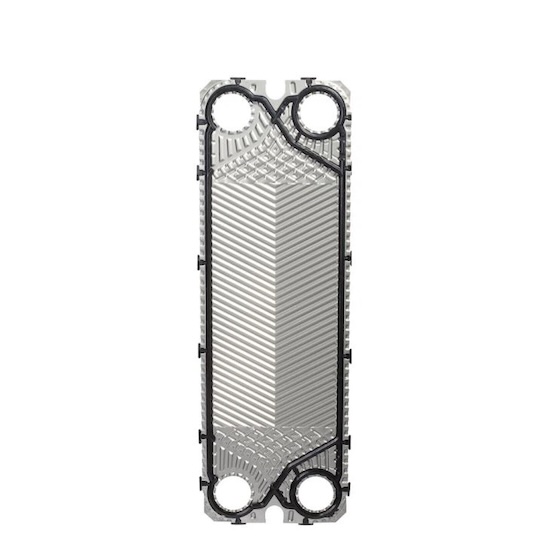
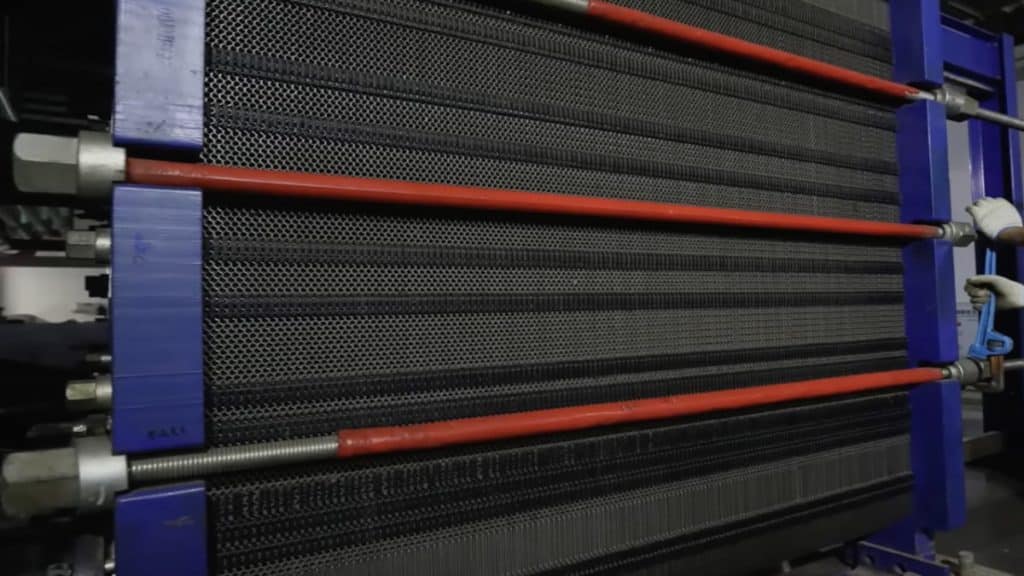
For applications requiring high thermal efficiency in a compact footprint, C-276 plates are ideal. They are frequently used in the chemical processing of acids where gaskets (like Viton or EPDM) are compatible. The corrugated plate design induces high turbulence, which also helps reduce fouling. Read our step-by-step guide to GPHE selection here.
2. Shell and Tube Heat Exchangers
When pressures exceed 30 bar or temperatures soar, shell and tube units are the standard. C-276 is often used for the tubeside (process fluid) while a less expensive carbon steel is used for the shellside (utility fluid), optimizing the cost-benefit ratio.
Not sure which type fits your process? Use our Advanced Heat Exchanger Calculator to get a preliminary sizing estimate.
Maintenance and Spare Parts Availability
Even the most robust alloys require support. A common logistical pitfall in Turkey is the lead time for “exotic” alloy spares. Unlike standard stainless steel, C-276 sheets and tubes are not always stocked by generalist metal traders.
At Heating Formula, we mitigate this risk by maintaining a strategic inventory of C-276 sheet material and tubes. Whether you need emergency replacement plates or a retubing service, our local support network ensures minimal disruption. We also provide compatible spare parts for major brands, ensuring your high-performance equipment remains online.
Why Partner with Heating Formula?
With over 15 years of dedicated service to the Turkish market, Heating Formula bridges the gap between global engineering standards and local operational realities. We don’t just sell equipment; we provide thermal consulting. From the textile hubs of Istanbul to the heavy industry of Iskenderun, our C-276 solutions are currently operational in some of the country’s most critical infrastructures.
Investing in C-276 Hastelloy is an investment in certainty. It transforms your heat exchanger from a maintenance liability into a reliable asset. Contact our engineering team today to discuss your specific corrosion challenges.
Frequently Asked Questions (FAQ)
-
What is the primary advantage of C-276 over 316L Stainless Steel?
The primary advantage is its exceptional resistance to pitting and crevice corrosion in aggressive environments, such as hot sulfuric acid and chlorides, where 316L would fail rapidly.
-
Can C-276 Hastelloy be used with seawater?
Yes, C-276 is virtually immune to crevice corrosion in seawater, making it an excellent choice for marine cooling systems and offshore applications.
-
Is C-276 suitable for high-temperature applications?
Absolutely. C-276 maintains its mechanical strength and corrosion resistance at temperatures up to 1000°C (1900°F), making it suitable for heat recovery and furnace applications.
-
Does Heating Formula stock C-276 replacement plates?
Yes, we maintain an inventory of C-276 plates and gaskets to ensure rapid response times for our clients in the chemical and petrochemical sectors.