The Smart Move: Why Closed-Loop Cooling with Plate Heat Exchangers is Your Competitive Edge
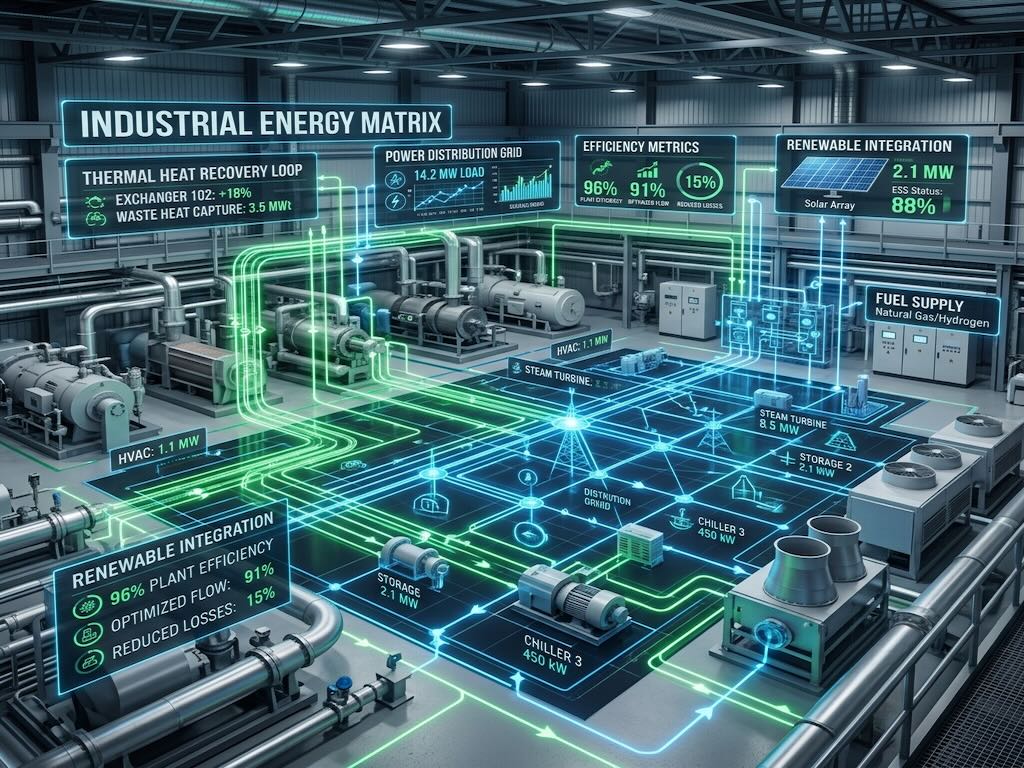
In the high-stakes world of modern industry, effective thermal management isn’t just about keeping things cool—it’s about survival. Overheating is the silent killer of productivity, leading to halted production lines, catastrophic equipment failure, and operational costs that eat into your bottom line. For industries in Turkey and beyond, from bustling manufacturing floors to critical power generation hubs, the quest for a superior cooling solution is over.
Closed-loop cooling has emerged as the gold standard for reliability and efficiency. But when you pair it with the game-changing technology of Gasketed Plate Heat Exchangers (GPHE), you don’t just solve a problem; you gain a competitive edge. This guide explores why this powerful combination is the upgrade your operation needs.
What is a Closed-Loop Cooling System?
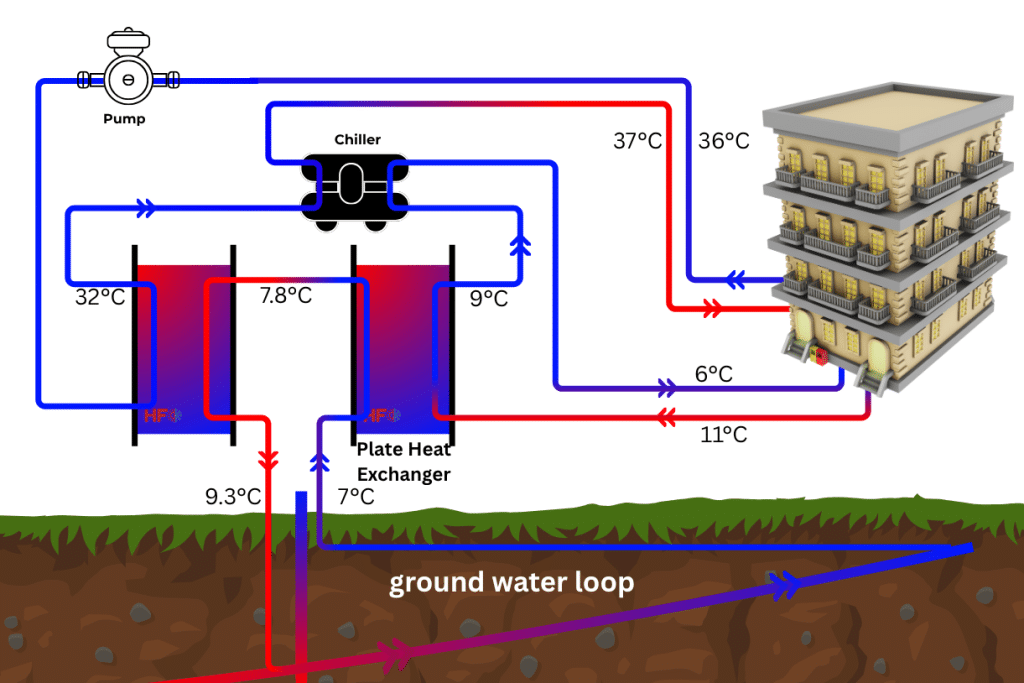
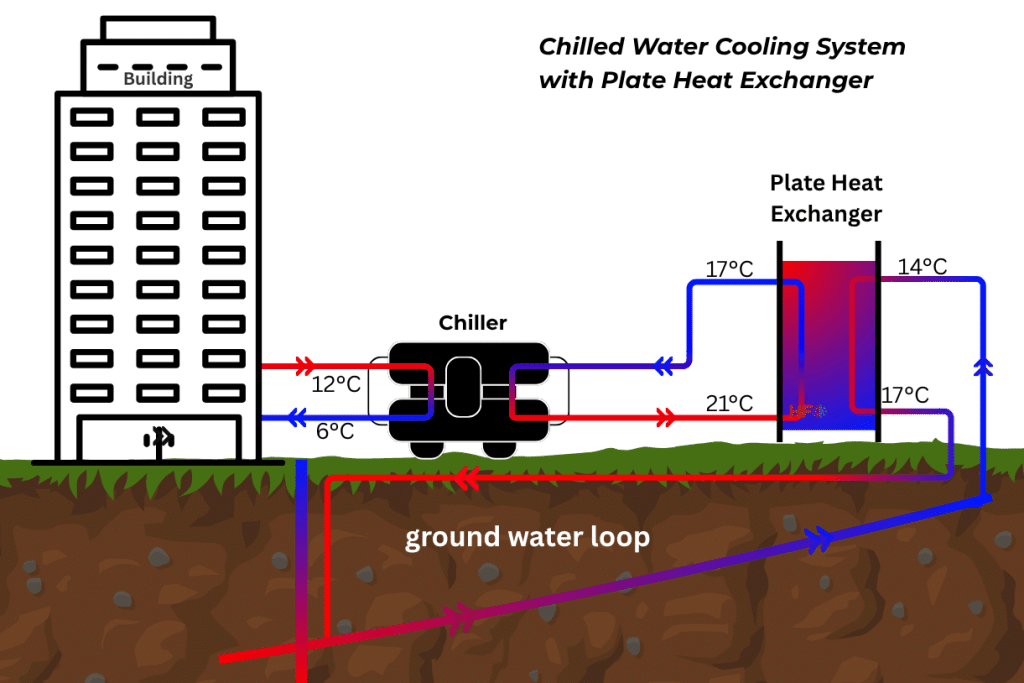
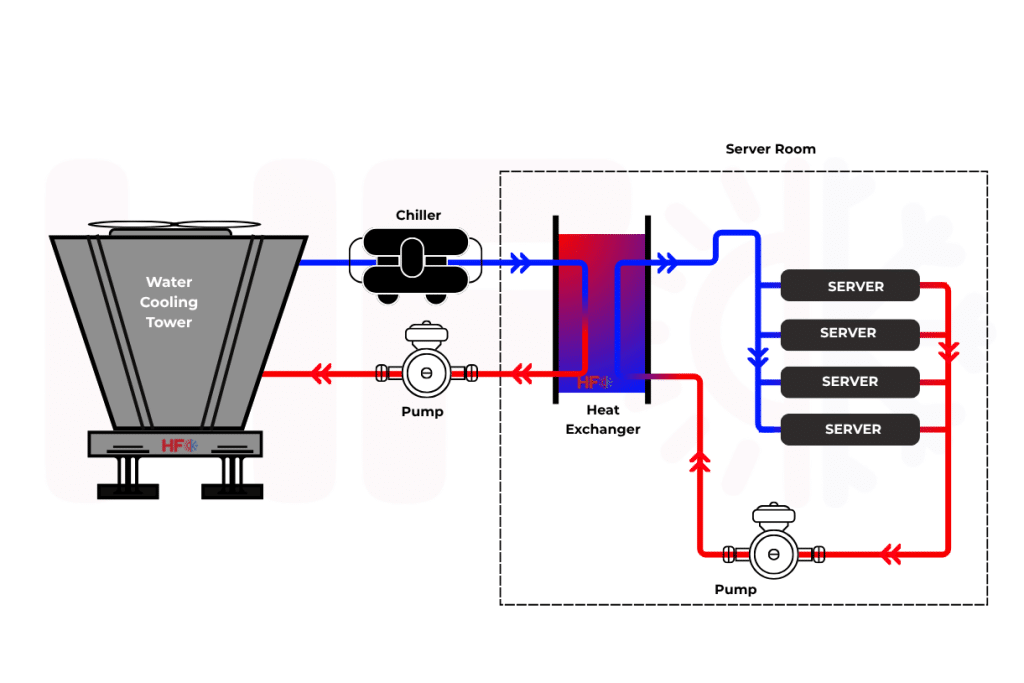
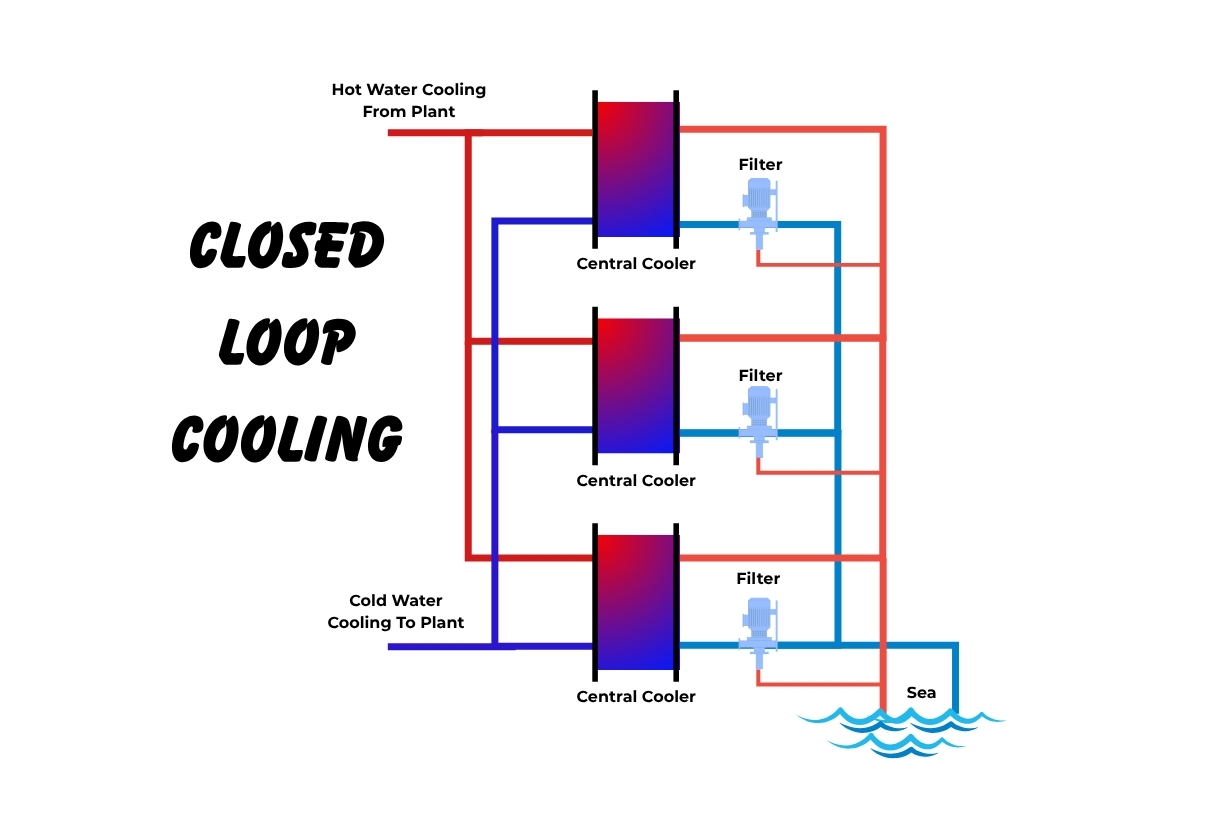
Think of the difference between drinking from a pristine, sealed water bottle versus a public fountain. A closed-loop cooling system works like the sealed bottle—or the radiator in your car. It circulates a clean, contained coolant (usually water or a glycol mixture) in a continuous loop to absorb heat from your machinery and transfer it away via a heat exchanger.
By contrast, traditional open-loop systems (like cooling towers) constantly pull in water from the environment. This exposes your system to the atmosphere, leading to evaporation, massive water loss, and the introduction of dust, debris, and biological growth.
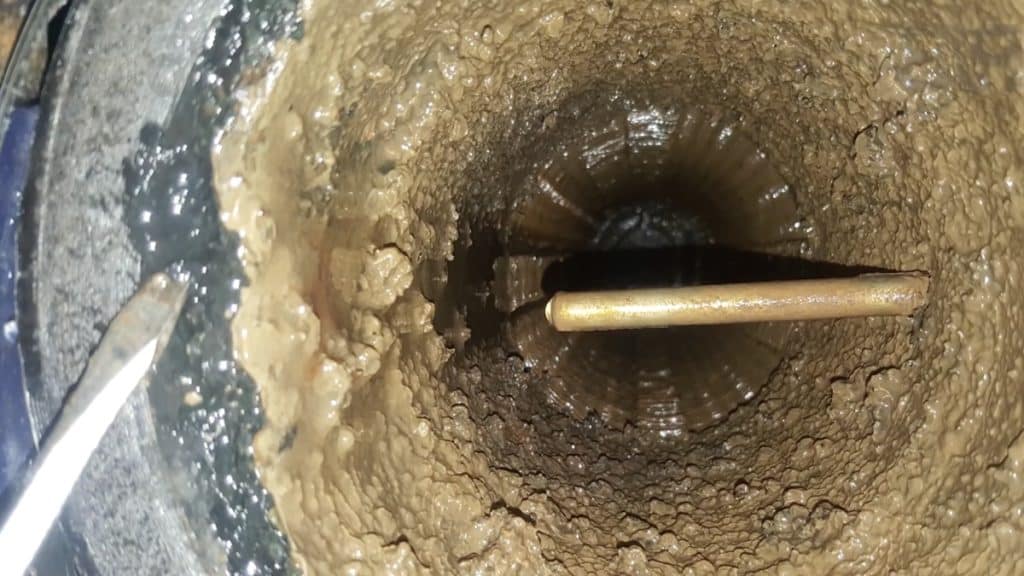
By isolating your valuable process equipment from the outside world, a closed-loop system prevents fouling and corrosion, ensuring your machinery lives longer and performs better.

Why are Plate Heat Exchangers the Heart of Modern Closed-Loop Systems?
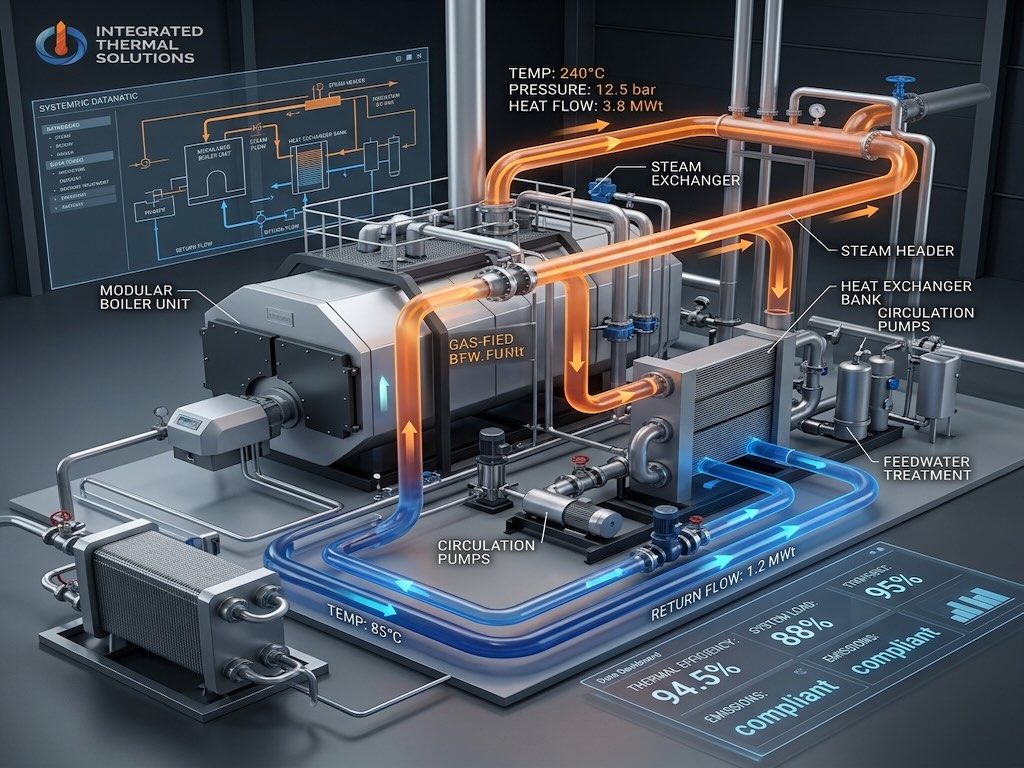
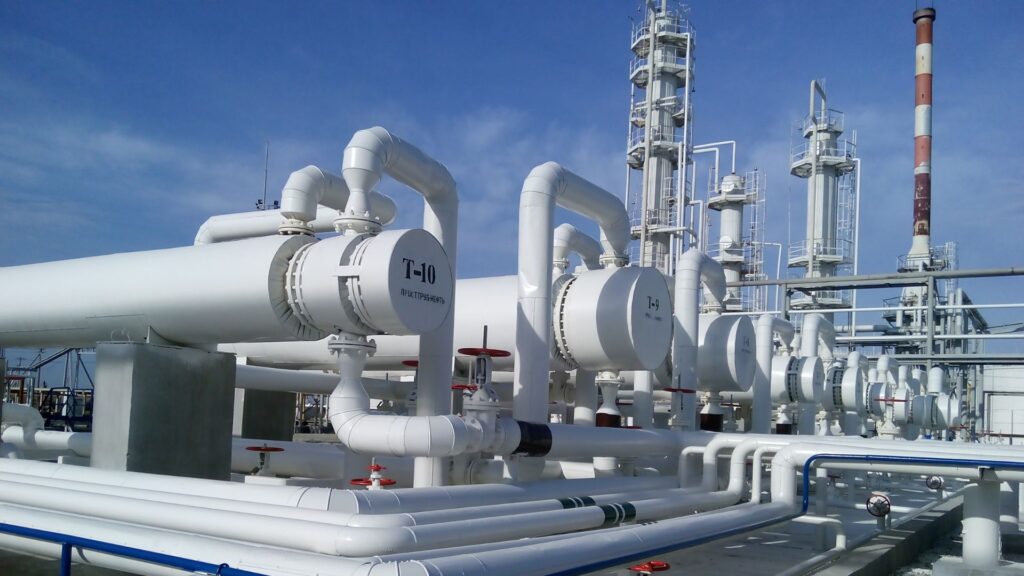
The engine of any closed-loop system is the heat exchanger. While older shell-and-tube models have had their day, Gasketed Plate Heat Exchangers (GPHEs) are the modern champion of efficiency.
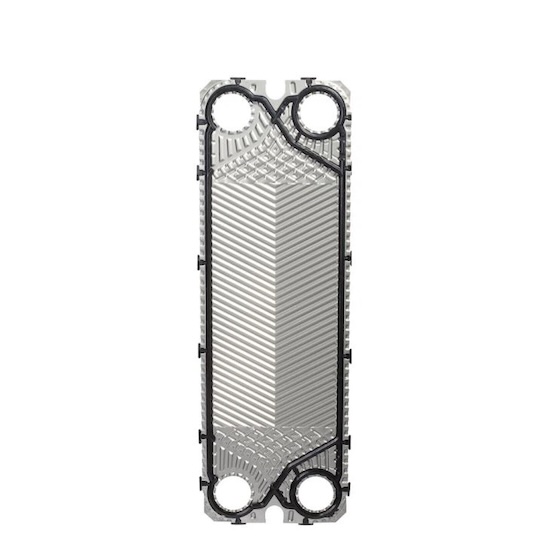
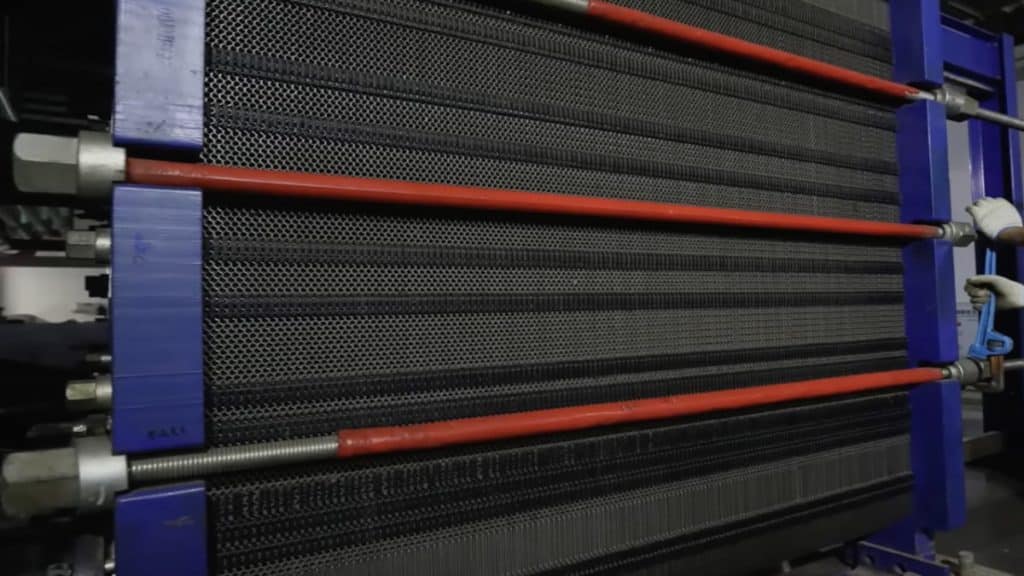
GPHEs consist of a pack of corrugated metal plates pressed together. Hot process fluid and cold cooling fluid flow through alternating channels, creating a massive surface area for heat transfer within an incredibly compact frame. This design delivers three unbeatable benefits:
- Unmatched Thermal Efficiency: The corrugations create high turbulence, scrubbing heat away from the fluid with exceptional speed. This allows for a “close temperature approach,” meaning your cooling fluid can exit at a temperature almost identical to the entering hot fluid. Result? Less energy used, more money saved.
- Compact Footprint: Space is money. A GPHE handles the same cooling load as a shell-and-tube unit that is 2 to 5 times larger. Reclaim your plant floor for production, not utilities.
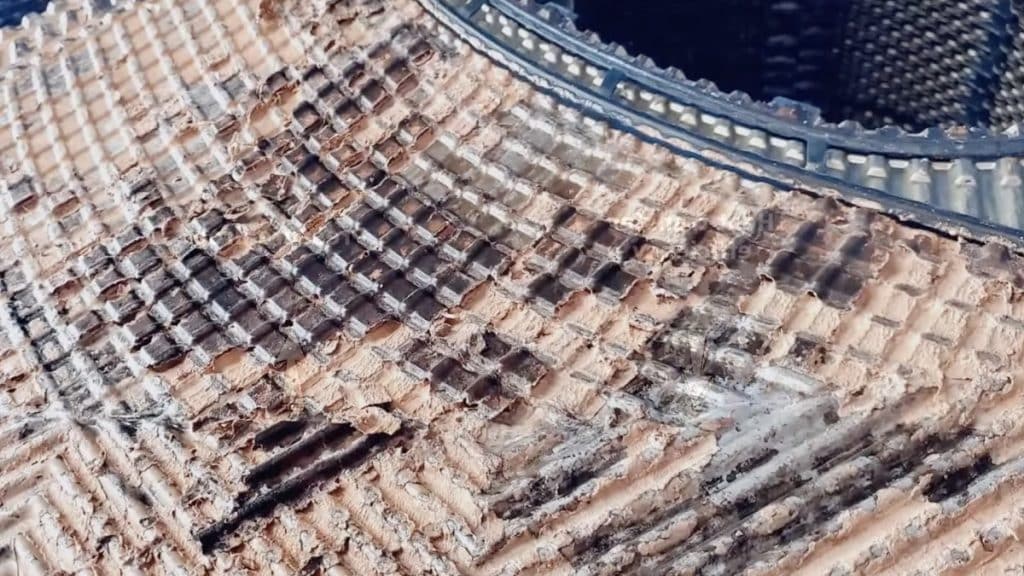
- Future-Proof Flexibility: Production needs change. With a GPHE, you can simply unbolt the frame and add more plates to increase capacity. Try doing that with a welded tank. Maintenance is just as easy—open it up, clean the plates, and you’re back online.
How Do Different Industries Benefit?
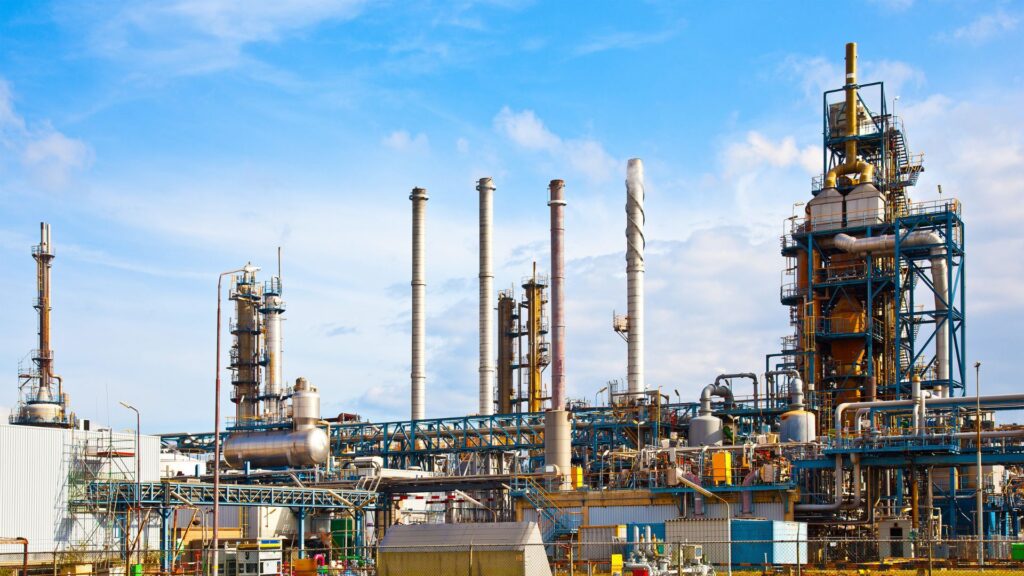
This technology isn’t niche—it’s the backbone of efficient operations across Turkey’s major sectors:
- Manufacturing & Automotive: Essential for cooling hydraulic oils, welding robots, and injection molders. Consistent temperatures mean consistent product quality.
- Power Generation: Reliability is everything. GPHEs cool turbine lube oil and generator sets, performing flawlessly under high stress to keep the lights on.
- Food & Beverage: From pasteurization to fermentation, precise temperature control is key to safety and taste. The hygienic design of GPHEs prevents cross-contamination.
- HVAC & Data Centers: As data demands skyrocket, GPHEs reduce the massive energy footprint of server cooling and district cooling networks.
- Oil & Gas: Tough enough for the harsh environments of refineries, handling corrosive hydrocarbons with specialized plates made of Titanium or Hastelloy.
Critical Considerations for Implementation
Moving to a closed-loop system is a strategic investment. To ensure it pays off, you need to look beyond just the price tag.
Precision Sizing: One size does not fit all. An oversized unit wastes budget; an undersized one bottlenecks production. Sizing must account for flow rates, fluid types, and pressure drops.
Material Selection: The longevity of your GPHE depends on picking the right plates and gaskets for your specific fluids. Standard stainless steel isn’t always the answer—corrosive media may require Titanium or Hastelloy.
Maintenance Planning: Unplanned downtime is the enemy. The accessible design of GPHEs makes proactive maintenance simple. Schedule regular inspections to replace gaskets before they fail.
Start your journey with data. Use our free Heat Exchanger Calculator to get a preliminary assessment of your needs.
Your Partner for Efficient Cooling: Heating Formula
A closed-loop cooling system isn’t just equipment; it’s the lifeline of your facility. It lowers energy bills, conserves water, and protects your expensive machinery from failure.
At Heating Formula, we deliver more than just hardware. We provide tailored thermal engineering solutions for Turkey’s leading industries. Our portfolio includes:
- Gasketed Plate Heat Exchangers (GPHEs): High-efficiency, flexible solutions for any application. Use our GPHE Selection Tool to find your match.
- Shell & Tube Heat Exchangers: Rugged reliability for extreme pressure and temperature environments.
- OEM-Quality Spare Parts: Keep your system running with our extensive stock of GPHE spare parts. We supply fully compatible plates (316/304 Stainless, Titanium, Hastelloy) and gaskets (EPDM, NBR, Viton) for major brands like Alfa Laval, Sondex, GEA, and Tranter.
Ready to upgrade your thermal management? Don’t let heat slow you down. Contact Heating Formula today and build a more efficient, profitable operation.
Frequently Asked Questions (FAQ)
1. What is the difference between open-loop and closed-loop cooling?
An open-loop system (like a
cooling tower) uses external water that is exposed to air, leading to contamination and evaporation. A closed-loop
system continually recirculates clean, treated coolant, sealing your equipment off from outside dirt and scaling.
2. Why are GPHEs better for closed-loop systems?
Gasketed Plate Heat Exchangers offer superior
heat transfer coefficients due to their turbulent flow design. This means they can cool fluids more effectively in a
much smaller footprint than other types, saving both space and energy.
3. Can I retrofit a closed-loop system to my existing water source?
Absolutely. A heat exchanger
acts as a firewall. You can use dirty river or tower water on one side to cool the clean loop on the other, ensuring
your sensitive equipment never touches the dirty water.
4. How do I size a heat exchanger?
Sizing requires knowing your flow rate, temperature gradient
(delta T), and pressure limits. Start with our Heat Exchanger Calculator, and then let our
engineers refine the calculation for maximum efficiency.
5. When should I replace my GPHE gaskets?
Look for external leaks or a drop in thermal
performance (indicating internal bypassing). Gaskets harden over time. Regular replacement prevents catastrophic
mixing of fluids. Check our Spare Parts section for replacements.