Why Your Hydraulic Press Needs an Efficient Oil Cooler: A Thermal Engineering Perspective
In the industrial heartlands—from the automotive assembly lines of Bursa to the heavy manufacturing hubs across Europe and Asia—the hydraulic press remains the undisputed champion of force application. These machines shape the steel and mold the components that drive modern civilization. Yet, behind the raw power of the hydraulic ram lies a delicate thermal balance.
A hydraulic system is, in essence, a method of transmitting power via fluid under pressure. However, thermodynamics dictates that not all input energy becomes useful work. A significant portion is lost as heat due to friction and fluid turbulence. Without a robust thermal management strategy, specifically an efficient oil cooler, this heat becomes a destructive force.
The Viscosity Factor: Hydraulic oil is the lifeblood of the press. Its ability to lubricate and transmit power depends entirely on viscosity. As temperature rises, viscosity plummets, turning thick, protective oil into thin, watery fluid that fails to protect your pump.
The Thermodynamics of the Oil Cooler
Think of the hydraulic oil cooler not just as a radiator, but as a precision heat transfer device. Its primary function is to maintain the oil within a specific temperature range (typically 40°C to 60°C). In industrial presses, two main technologies dominate: the traditional Shell & Tube exchanger and the modern Gasketed Plate Heat Exchanger (GPHE).
The operational cycle involves:
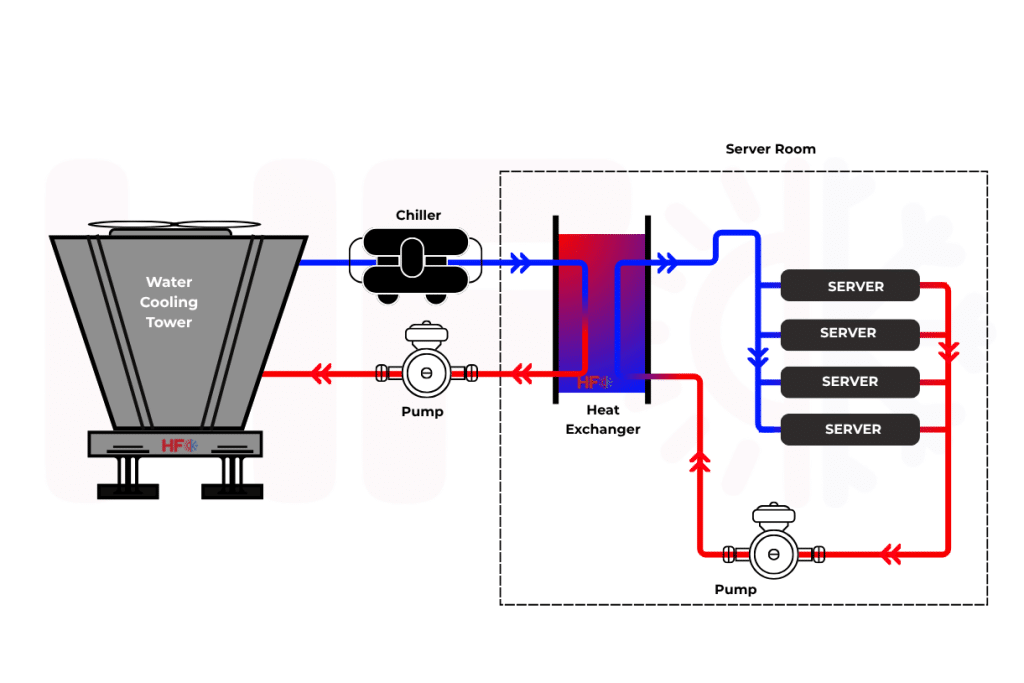
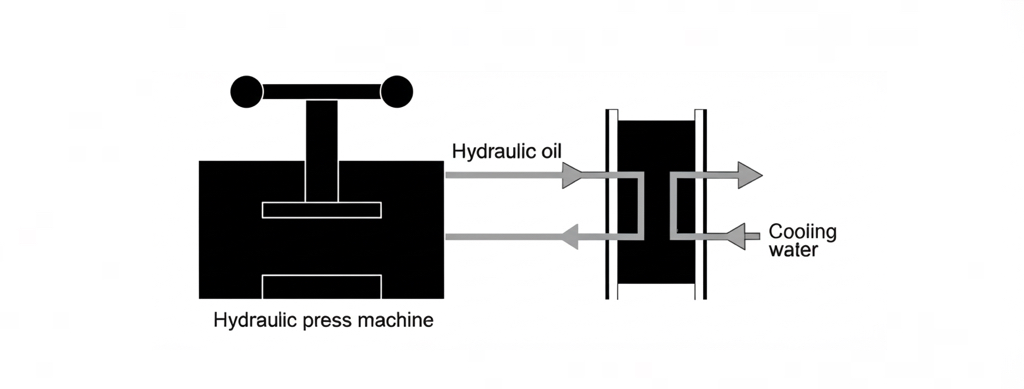
- The Heat Source: Hot oil returns from the press, carrying thermal energy generated by high-pressure compression and friction.
- The Heat Sink: Cooling water (from a tower or chiller) enters the exchanger.
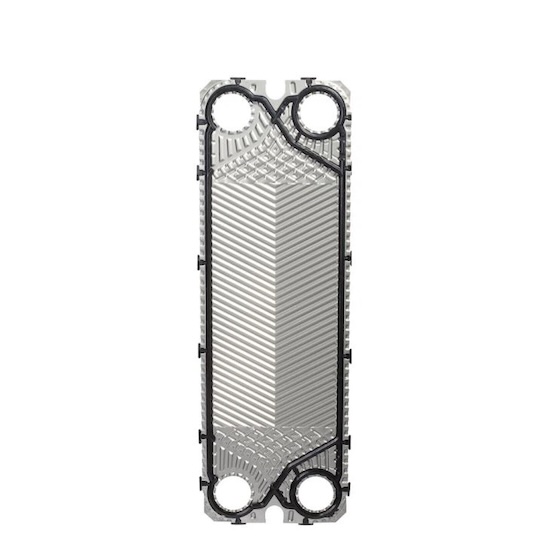
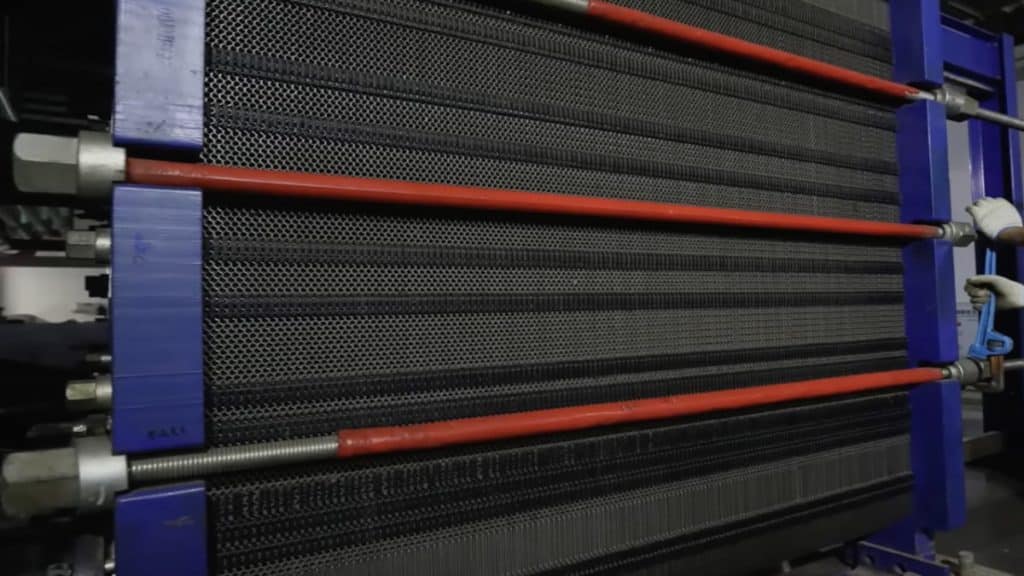
- The Exchange: In a GPHE, these fluids pass on opposite sides of corrugated plates. The high turbulence created by the corrugations maximizes the Heat Transfer Coefficient (U-value), allowing for rapid cooling in a compact space.
The High Cost of Overheating
Running a hydraulic press without adequate cooling is an expensive gamble. The consequences of thermal runaway extend far beyond a simple machine trip:
1. Seal and Gasket Degradation
Elastomers like NBR and Viton have thermal limits. Continuous exposure to overheated oil causes hardening and cracking (“heat checking”). As detailed in our guide on elastomer compatibility, once a seal loses its elasticity, external leaks are inevitable, creating safety hazards and environmental cleanup costs.
2. “Slippage” and Power Loss
As oil thins out, it slips past the internal clearances of the hydraulic pump and valves. This internal leakage means the pump must work harder to generate the same pressure, consuming more electricity while delivering less force to the workpiece.
3. Varnish and Sludge
High heat accelerates the oxidation of hydraulic fluid. This chemical breakdown creates varnish—a sticky residue that clogs valves and filters. This is often a hidden cause of erratic press behavior.
Technology Face-Off: Plate vs. Shell & Tube
For decades, Shell & Tube exchangers were the default choice due to their perceived ruggedness. However, engineering advancements have shifted the preference toward Plate Heat Exchangers for hydraulic applications.
| Performance Metric | Plate Heat Exchanger (PHE) | Shell & Tube Exchanger |
|---|---|---|
| Heat Transfer Efficiency | 3x to 5x Higher | Low to Moderate |
| Footprint Requirement | Ultra-Compact (Saves Floor Space) | Large / Bulky |
| Oil Volume in Unit | Low (Fast Response) | High |
| Maintenance | Easy to Open & Expand | Requires Tube Bundle Pulling |
| Fouling Resistance | High (Due to Turbulence) | Low (Prone to dead zones) |
For modern high-speed presses where floor space is at a premium and energy efficiency is a KPI, the Gasketed Plate Heat Exchanger is frequently the superior engineering choice.
Optimizing Your Hydraulic Cooling Strategy
Don’t Guess—Calculate
Production requirements change. If you have sped up your cycle times or increased operating pressures, your old oil cooler might be undersized. Instead of guessing, use engineering data. Our Heat Exchanger Calculator allows you to input your current flow rates and heat loads to verify if your equipment is up to the task.
Recalculate and Reuse
Sustainability in manufacturing is key. An older PHE that is currently undersized doesn’t necessarily need to be scrapped. Due to the modular nature of plate exchangers, you can often add more plates to the existing frame to increase cooling capacity. This is a fraction of the cost of a new unit.
Your Partner for Reliable Hydraulic Cooling
At Heating Formula, we recognize that downtime on a hydraulic press costs thousands per hour. We specialize in robust thermal solutions designed for the rigors of heavy industry.
We supply high-quality GPHE spare parts, including plates in 316 Stainless Steel and Titanium, and gaskets in NBR, EPDM, and Viton. Our components are fully compatible with major OEM brands like Alfa Laval, Sondex, and Tranter, ensuring you get OEM-equivalent performance without the OEM lead times.
Explore Hydraulic Cooling SolutionsFrequently Asked Questions (FAQ)
Q1: How do I choose between 316 Stainless Steel and Titanium plates?
A: For standard hydraulic oil cooling using cooling tower water, 316 Stainless Steel is the industry standard and highly cost-effective. However, if you are using seawater or brackish water as the cooling medium, Titanium is mandatory to prevent chloride stress corrosion cracking.
Q2: My oil cooler is leaking. Can I just tighten the bolts?
A: Be cautious. Plate heat exchangers have a specific “tightening dimension.” Over-tightening can crush the plates. If the unit is leaking and fully tightened to spec, the gaskets have likely lost their elasticity and need replacement.
Q3: How often should I clean my hydraulic oil cooler?
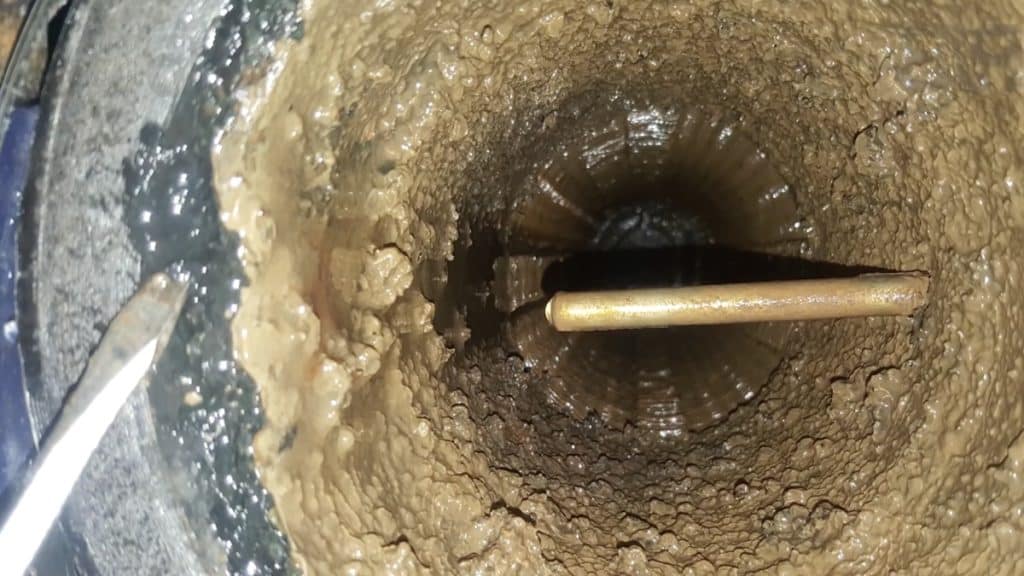
A: This depends on your water quality. If you use open cooling towers, sediment and biological growth can foul the exchanger quickly. Monitoring the pressure drop across the water side is the best indicator; a 20-30% increase in pressure drop suggests cleaning is due.